
Tel / Whatsapp:+86 18001125785

Email:chengdong@cdph.com.cn

INQUIRY→

Home/

News/

Blog/

China Container House Solutions for Global Projects/

China Container House Solutions for Global Projects

Blog

Release date:Jun 05, 2026

Share:

What Is a China Container House


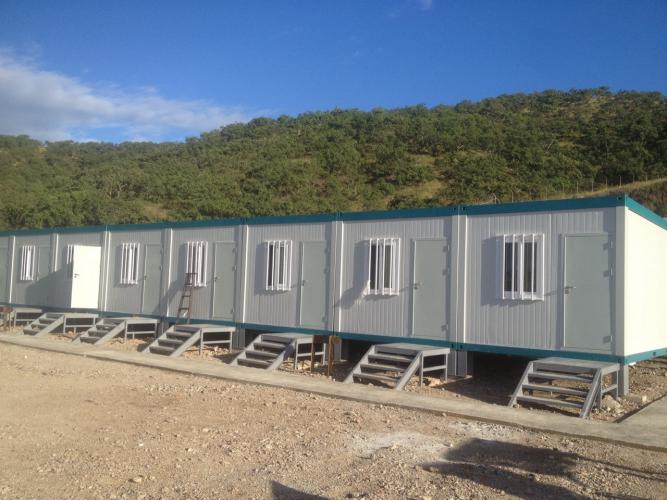
A China container house is a modular building product made from a steel frame and insulated wall and roof panels, designed and prefabricated in Chinese factories, then shipped and assembled on site. Unlike DIY conversions of second-hand shipping containers, professional container houses use standardized modules engineered for structural safety, thermal performance and long-term durability.

These houses are usually based on 20‑foot or 40‑foot module sizes, which can be combined horizontally and vertically to create dormitories, offices, classrooms, canteens, clinics and more. Because most work is completed in the factory, including structure, enclosure, doors, windows and basic electrical pre‑layout, on‑site installation mainly involves module hoisting, connection and commissioning.


Why Global Projects Choose China Container Houses


China has developed one of the world’s most complete modular construction supply chains, allowing container house factories to offer competitive prices, stable quality and large‑scale production capacity. Leading manufacturers invest in automated production lines, standardized quality management and international certifications to meet the requirements of large construction enterprises and EPC contractors.

For overseas projects, container houses from China reduce construction time and site labor demand, which is critical where local labor is expensive or skilled workers are scarce. At the same time, mature export logistics and installation guidance services help international customers quickly deploy complete camps or public facilities even in remote regions.


Key Advantages of China Container Houses


Fast and Predictable Construction


Container houses are largely completed in the factory, so production and on‑site foundation work can proceed in parallel, compressing the overall schedule. Once the foundations and utilities are ready, a professional team can assemble dozens or even hundreds of units within weeks through standardized installation processes.

This industrialized approach minimizes weather-related delays and allows projects to meet tight opening dates for mines, refineries, infrastructure, or school semesters. For owners, the shorter construction period means faster start‑up, earlier revenue and less disruption to surrounding communities.


Flexible Layout and Scalability


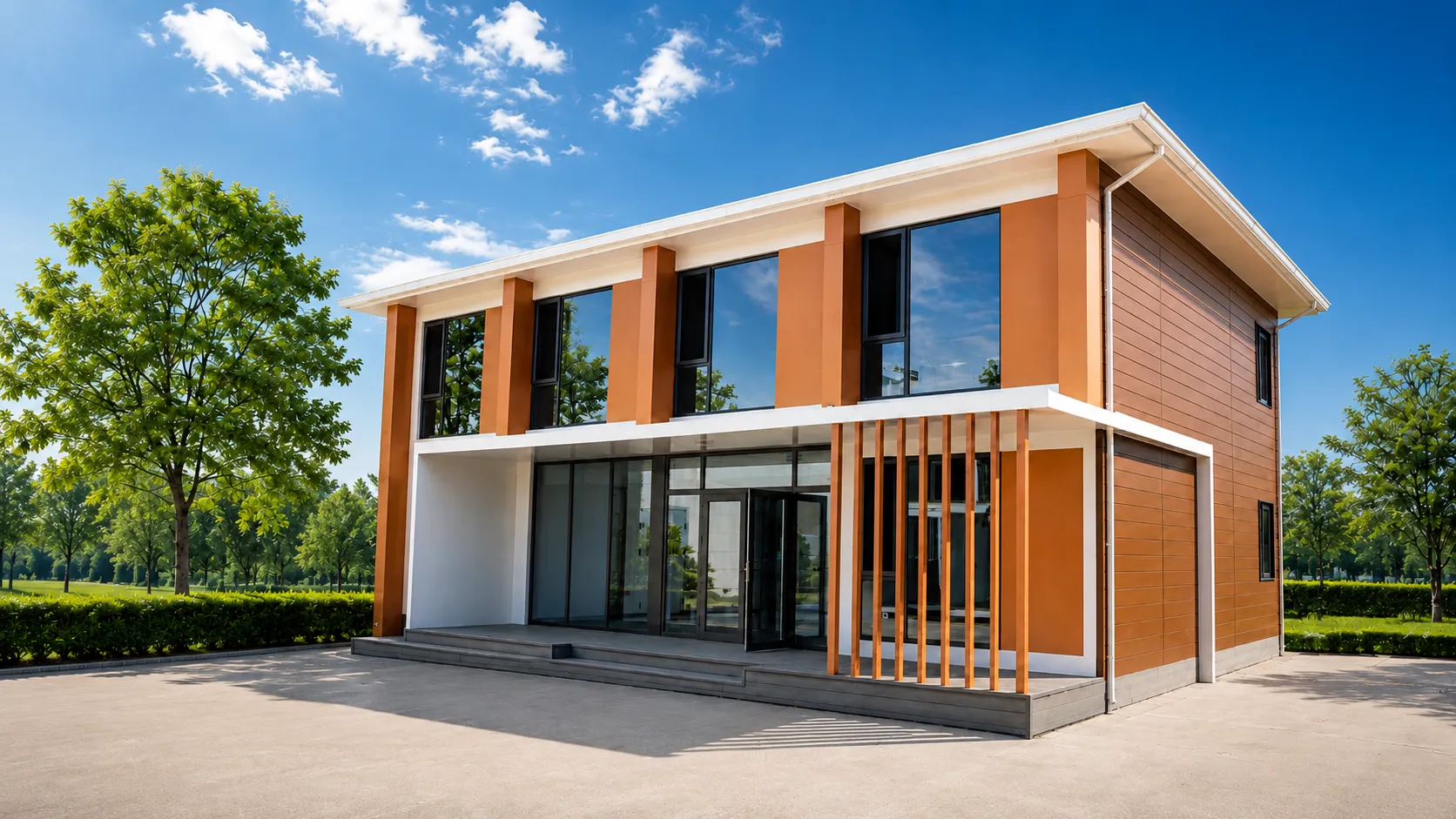
A container house is essentially a building “block” that can be freely combined to form single‑story or multi‑story complexes with corridors, staircases and balconies. Rooms can be configured as single or shared dormitories, open‑plan offices, classrooms, laboratories, meeting rooms, dining halls or sanitary units according to functional needs.

When the project expands, additional modules can be added with minimal impact on daily operation; when it shrinks or finishes, modules can be dismantled, relocated and reused at a new site. This scalability makes container houses suitable for dynamic projects such as construction sites, energy development, temporary schools and disaster relief facilities.


china container house


Robust Structure and Safety


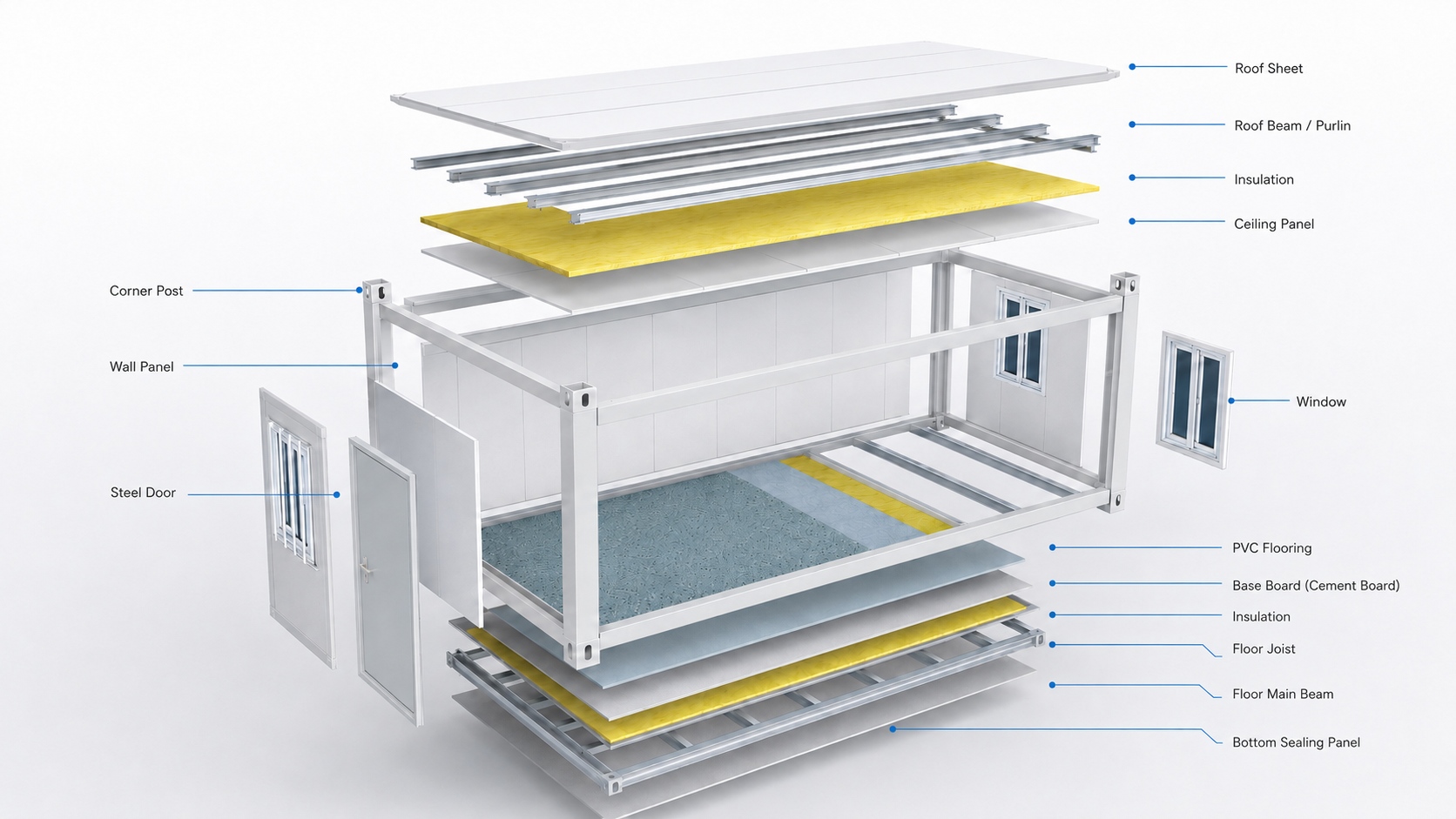
Professional China container house factories use galvanized steel columns and beams combined with structural floor and roof systems that meet relevant national and project-specific load requirements. Typical products are designed for wind, snow and seismic loads based on project location data, and many manufacturers can provide engineering calculations and test reports.

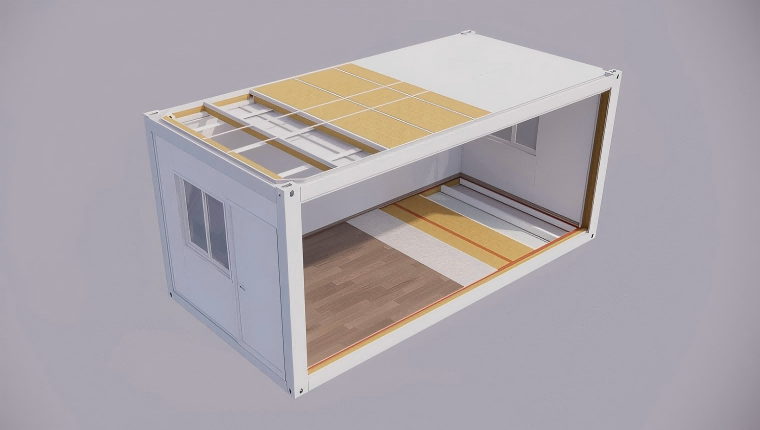
Wall and roof panels usually consist of steel sheets with internal insulation such as rock wool or PU, providing both structural enclosure and fire and thermal performance. Combined with standardized doors, windows, stairs and guardrails, the entire building system can achieve good fire resistance, acoustic comfort and anti‑corrosion performance for long‑term use.


Energy Efficiency and Comfort


Compared with bare shipping containers, modern container houses focus on thermal performance, air tightness and ventilation to achieve comfortable indoor environments in hot or cold regions. By selecting appropriate insulation thickness, door and window configurations and HVAC systems, manufacturers can adapt the building envelope to deserts, plateaus, tropical climates or severe cold zones.

Because the interior finishes, electrical pre‑layout and plumbing can be completed in the factory, the final result is similar to a conventional building in terms of appearance and comfort, while offering much shorter delivery times. For schools and offices, this means classrooms and workspaces that meet safety, lighting and ventilation standards rather than makeshift temporary shelters.


Typical Applications of China Container Houses


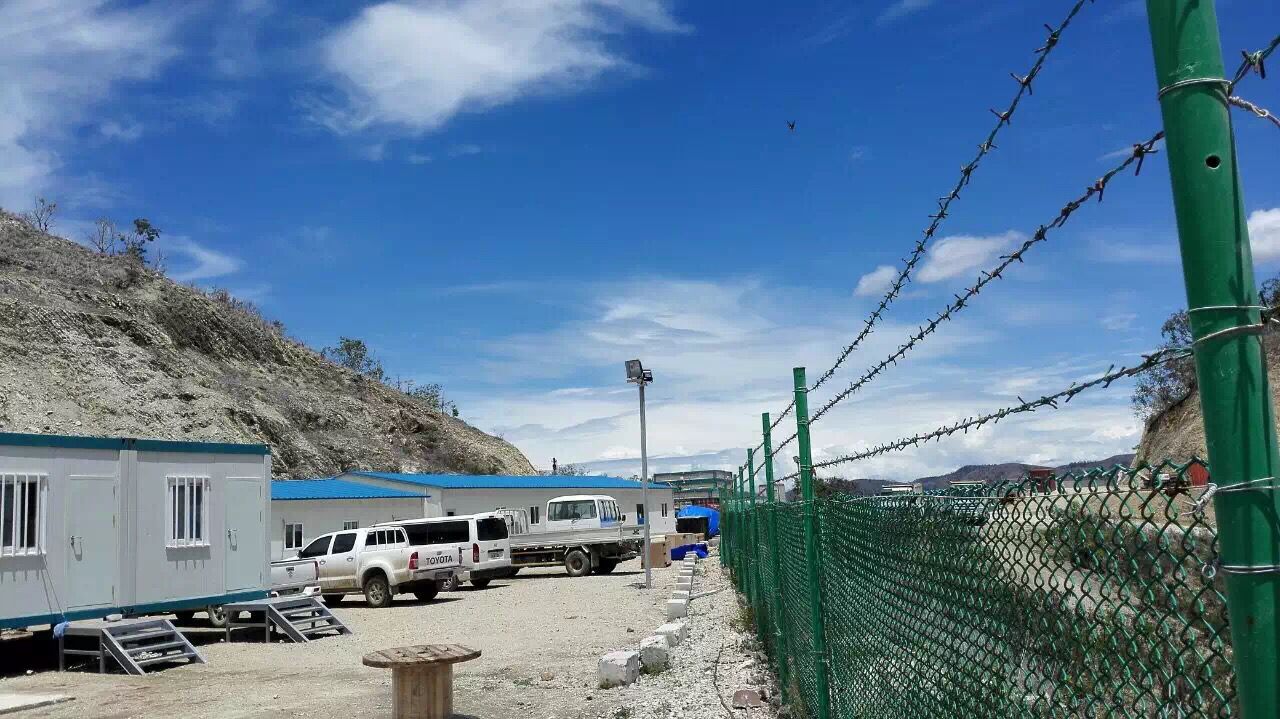
China container houses are widely used in overseas construction camps, petrochemical and mining projects, transportation and infrastructure projects, public service facilities and emergency response. Common building types include dormitories, canteens, recreation rooms, offices, clinics, warehouses, guard rooms, training centers and temporary classrooms.

In addition to industrial and energy projects, container houses are increasingly adopted by local governments and schools to solve short‑term space shortages, such as campus renovation, disaster reconstruction or rapid capacity expansion. Well‑designed modular buildings can be integrated into existing campuses or communities, providing safe, bright and comfortable spaces while minimizing disturbance.


CDPH: A Leading China Container House Manufacturer


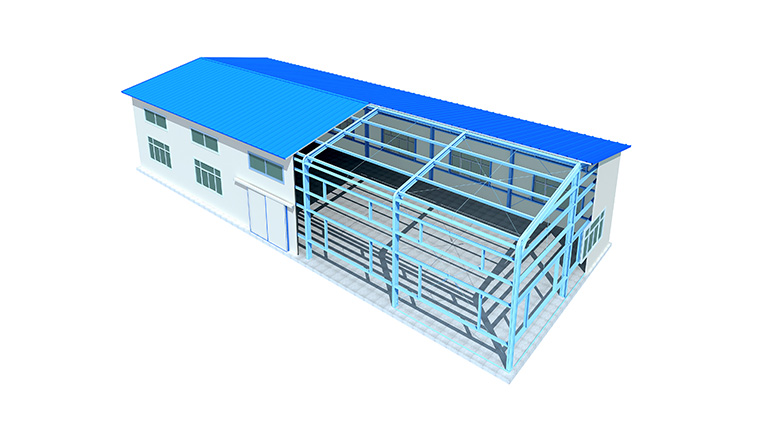
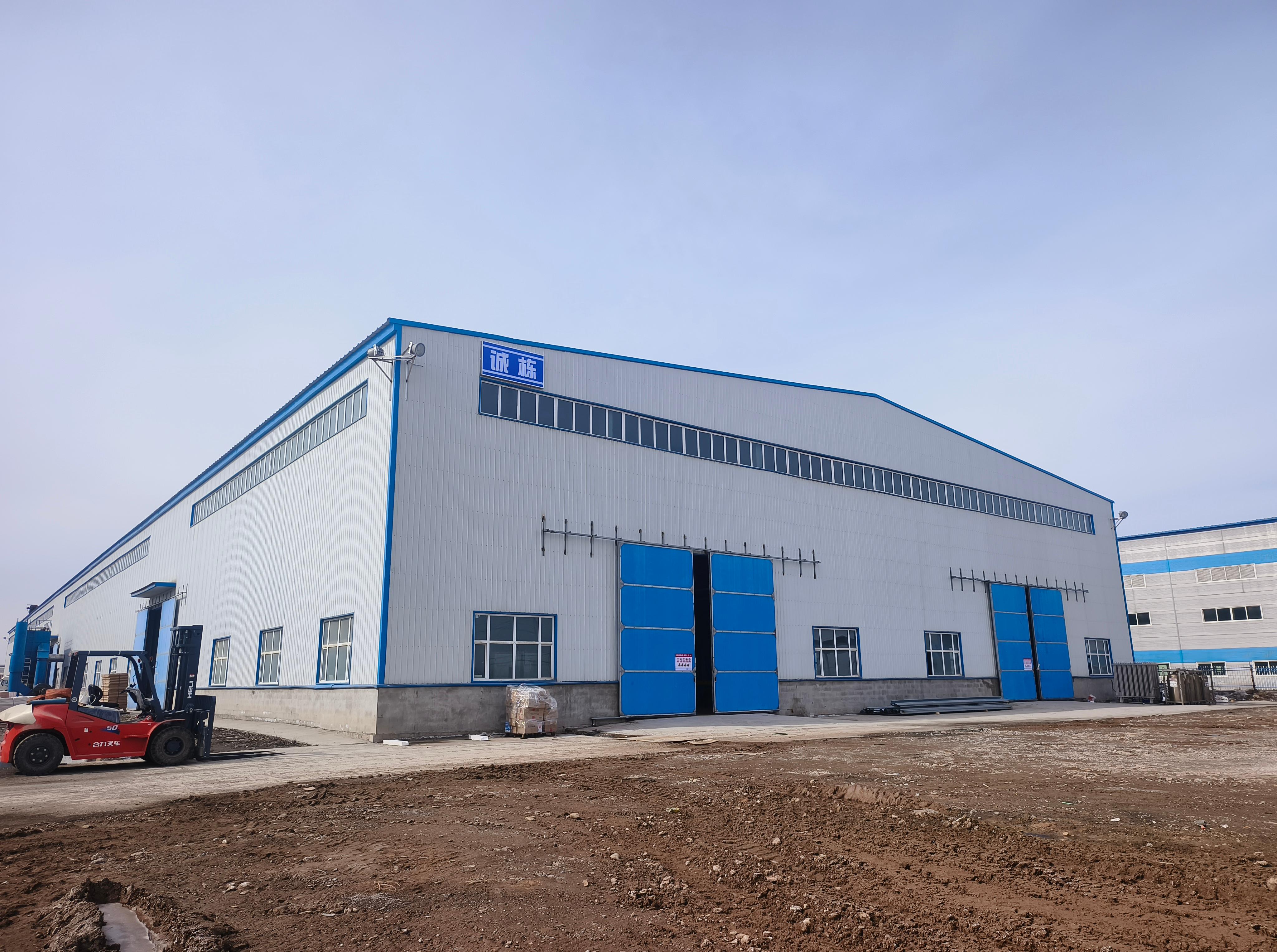
CDPH (Chengdong Modular House) is one of China’s earliest private enterprises dedicated to integrated prefabricated housing, with experience delivering modular camps and buildings in more than 100 countries. The company focuses on designing, manufacturing, marketing and constructing container houses, prefab houses, modular houses and steel structures for large engineering and public projects.

Over decades of overseas practice, CDPH has accumulated experience with different national regulations, cultures, climates and construction standards, becoming a preferred camp construction provider for many well‑known construction enterprises. In cooperation with global modular housing leaders, the company continues to improve its product systems, 5S management and 360‑degree lifecycle service capabilities.

You can learn more about CDPH container house products here: https://www.cdph.net/product-center/container-house.


Technical Features of CDPH Container Houses


CDPH container houses adopt a standardized steel frame system with columns, beams and corner fittings designed for whole‑unit lifting and repeated relocation. Structural members are typically made from galvanized steel profiles that meet national standards, with anti‑corrosion coatings and design service lives suitable for long‑term project use.

Wall and roof systems use steel sheets with insulation cores selected according to project climate and fire protection requirements, providing good thermal insulation, fire resistance and impact resistance. Electrical and plumbing systems are pre‑designed for modular connection, allowing rapid on‑site assembly of lighting, sockets, HVAC equipment and sanitary fixtures.


Case Study: Yunhe Primary School Modular Campus Project


A representative example of how China container houses support public service upgrades is the Yunhe Primary School Wenju Campus Safety Hidden Hazards Elimination Project in China. In this project, CDPH provided a modular school solution to replace old unsafe buildings, delivering a new 1,688 m² teaching space in just about 30 days from demolition to completion.

The project team used modular container classrooms and support facilities configured to meet strict local safety, fire protection and green building requirements while minimizing disruption to teaching activities. This rapid‑deployment container housing project demonstrates how modular construction can help schools worldwide quickly solve classroom shortages and safety issues while maintaining quality and comfort.

When you discuss similar education or campus renovation needs, you can reference the Yunhe Primary School case as a proven model of safe and efficient modular school renovation.


How China Container Houses Support Global Camps


For global construction and mining camps, container houses from China offer a one‑stop solution from master planning to final installation. Manufacturers like CDPH can design complete camp layouts covering accommodation, offices, catering, entertainment, medical and supporting facilities, all based on standardized modular products.

Integrated planning of traffic flows, utilities, fire protection and functional zoning ensures that the camp operates safely and efficiently, similar to a small town. With modular container houses as the core, camp owners gain rapid deployment, flexible expansion and the ability to relocate assets to future projects, improving lifecycle value.


Cost and Value Considerations


The cost of a China container house depends on factors such as module size, insulation level, interior fit‑out standard, local design loads, quantity and logistics distance. While the unit price may be higher than simple temporary shelters, container houses provide longer service life, better comfort and lower maintenance and energy costs over time.

Factory prefabrication reduces material waste and on‑site rework, helping keep total project costs under control and providing more predictable budgets for owners. When considering lifecycle value—including reuse on future projects—professional container houses often prove more economical than conventional temporary buildings or ad‑hoc conversions.


How to Choose a Reliable China Container House Partner


When selecting a China container house supplier, owners should look beyond price and evaluate the company’s experience, certification, product system and project references. Key factors include: history in modular construction, overseas project performance, quality management system, structural and fire test reports, and after‑sales service capabilities.

Requesting reference cases in similar application areas—such as education, mining, oil and gas or infrastructure—helps verify the supplier’s ability to handle complex requirements and tight schedules. For example, CDPH’s Yunhe Primary School modular school renovation and its numerous overseas camp projects show its strength in both public and industrial applications.


Integrating CDPH Brand Strength Into Your Project


By choosing a mature brand like CDPH for your China container house needs, you benefit from a complete service chain from solution design and factory production to transportation, installation and operation support. CDPH’s experience with large central enterprises and international contractors helps align modular housing solutions with strict technical standards, schedule requirements and safety regulations.

For clients in construction, energy, mining, education or public services, partnering with CDPH means working with a team that understands both engineering logic and real‑world operating conditions in different countries. This combination of technical strength, global project experience and modular product innovation is a key reason why many global projects choose China container houses from CDPH.

You can explore container house details and submit inquiries via the product page: https://www.cdph.net/product-center/container-house.


For broader solutions including prefab houses and other modular products, the website home page provides an overview of CDPH’s capabilities: https://www.cdph.net.


whatsapp.png
+86 18001125785
zongubimgfz3.svg
chengdong@cdph.com.cn

Scan the QR code to follow