
Blog
Release date:Jul 12, 2026
Share:
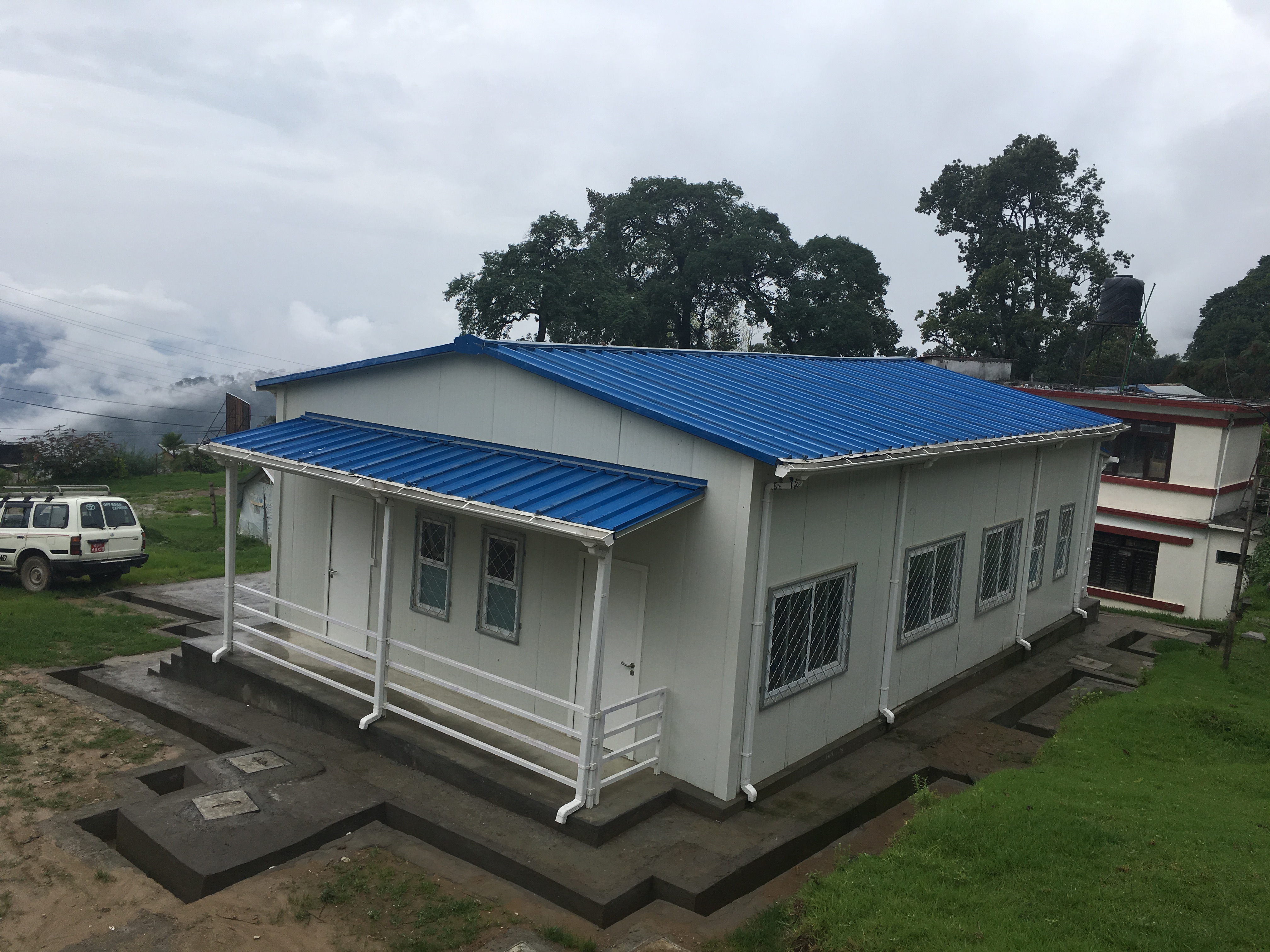
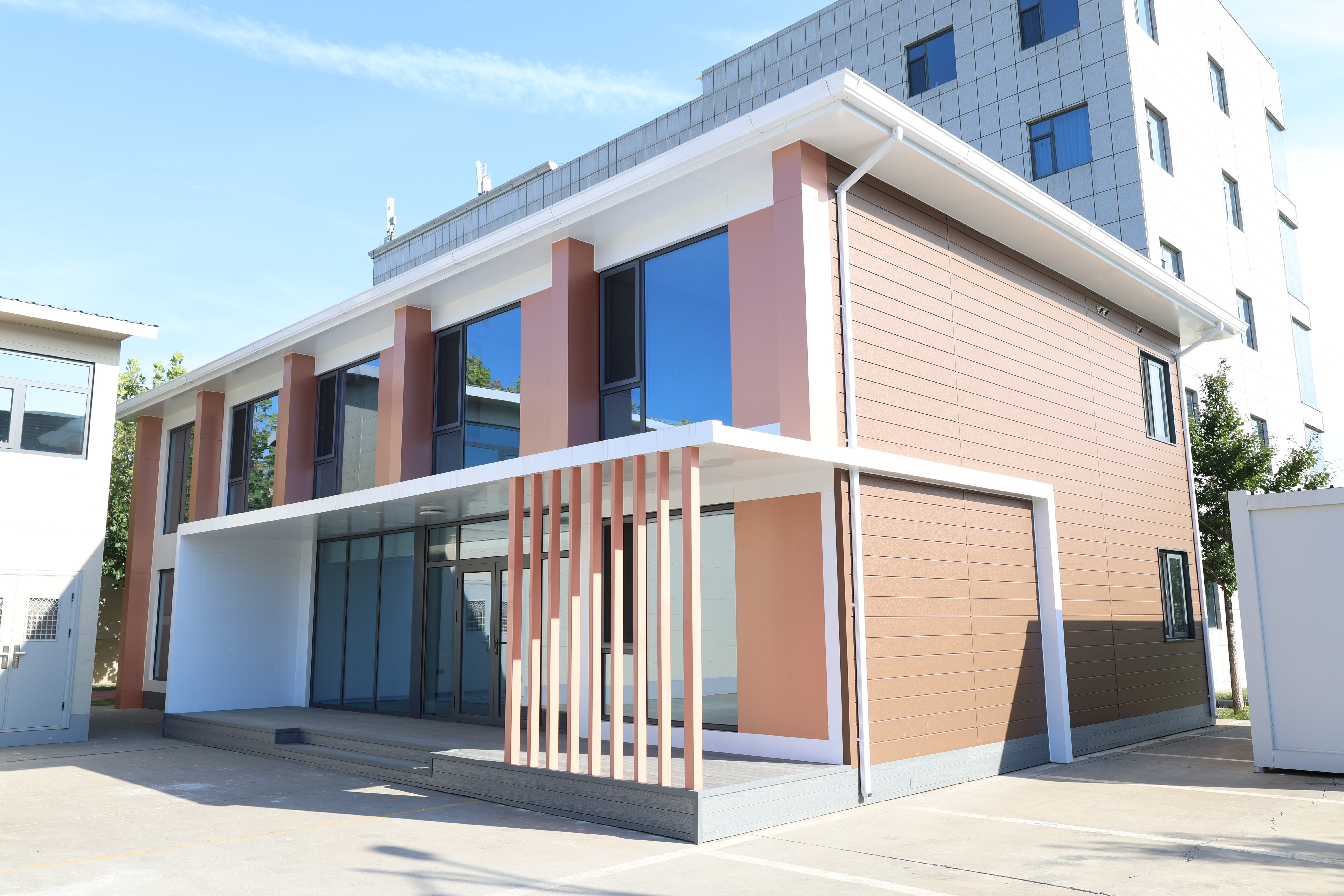
China light steel structure villa solutions represent a new stage in the evolution of prefab housing for global engineering and construction camps. Compared with traditional container houses or basic prefab dormitories, these villas use integrated light-gauge steel frames and enclosure systems to deliver semi-permanent, high-comfort living environments.
As large EPC projects in energy, mining, and infrastructure become longer and more complex, camp accommodation is shifting from short-term shelters to residential spaces that need to support multi-year operation phases. Within this context, Chinese modular housing enterprises such as Chengdong Modular House have accumulated extensive practice in designing and delivering overseas camps, where the china light steel structure villa has become an increasingly important solution type.
Housing requirements in EPC camps typically span the full project lifecycle, from early construction mobilization to long-term operation and maintenance. Workers, technicians, and management teams require accommodation that balances safety, comfort, and cost, while also complying with local standards and labor regulations in each host country. Camp layouts must integrate accommodation, offices, logistics, and amenities into a coherent system that can expand or contract with project phases.
Camp layouts must adapt to diverse regional conditions, including desert climates in the Middle East, high-humidity and coastal environments in South America, and plateau or cold regions in Central Asia. Because many projects now foresee multi-year operation, owners increasingly expect that part of the camp housing will continue to function as offices or permanent living quarters beyond construction. This expectation directly drives interest in semi-permanent solutions such as china light steel structure villa systems with longer design lifespans.
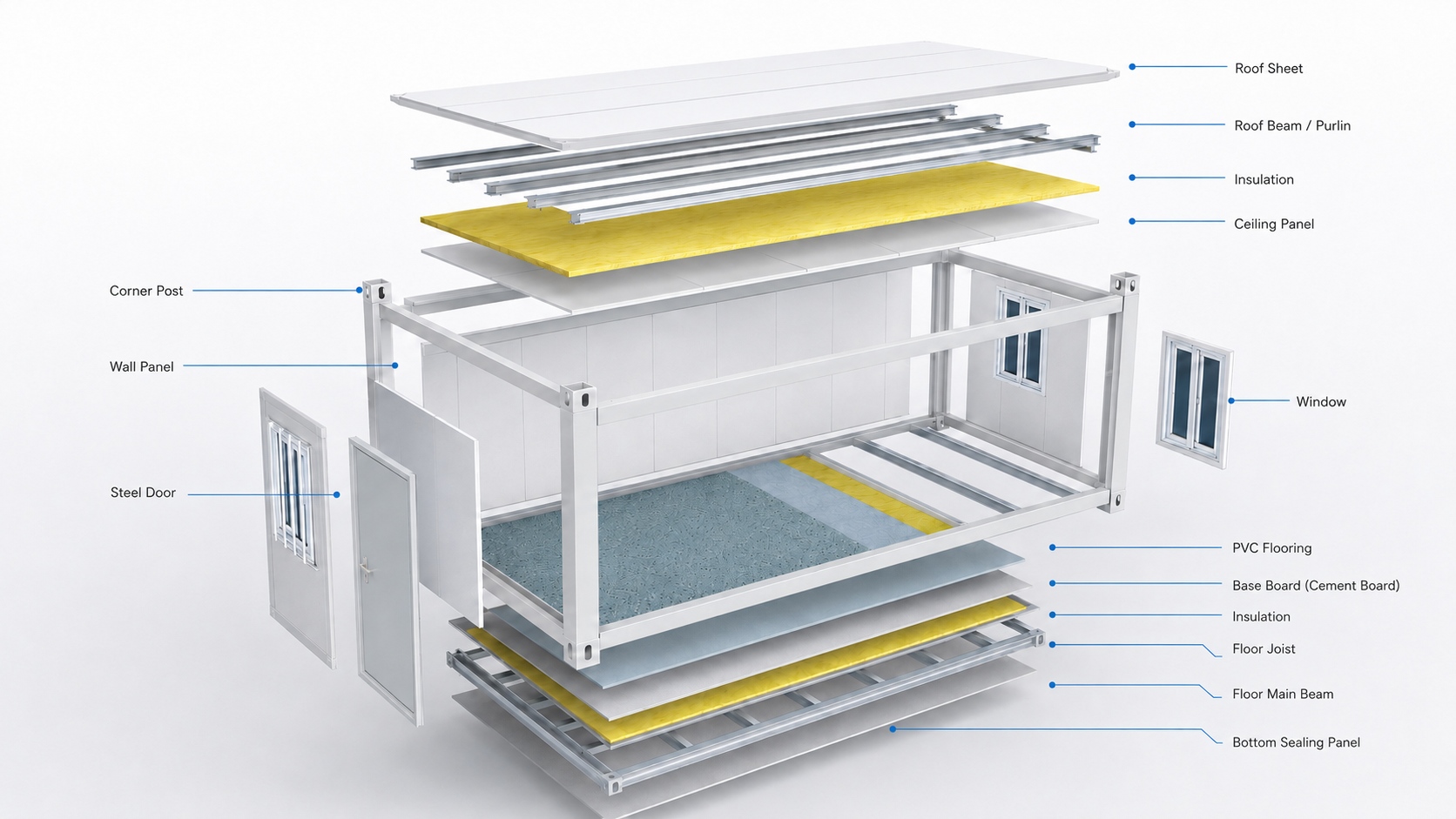
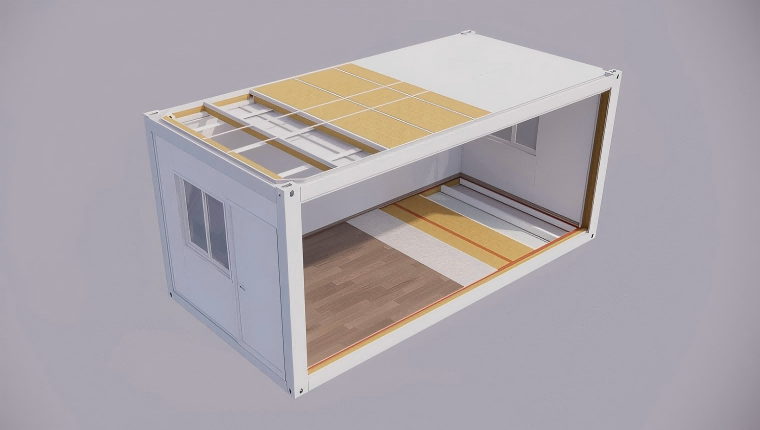
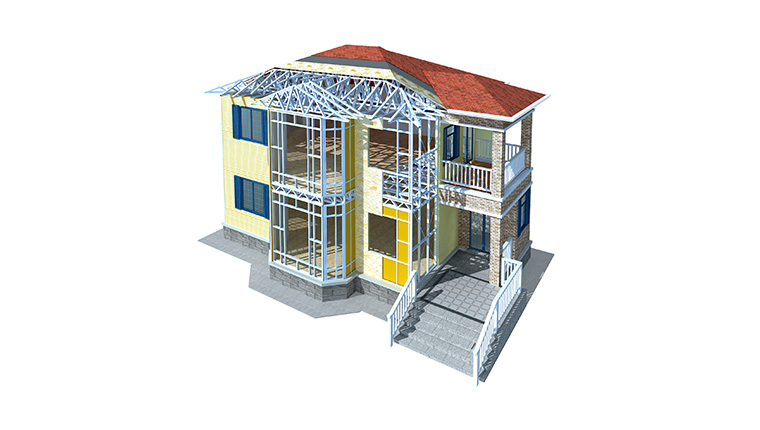
A typical china light steel structure villa uses a light-gauge steel frame combined with an integrated wall, floor, and roof system to form a semi-permanent building. Exterior walls usually adopt fiber-cement boards or similar cladding, combined with insulation layers such as extruded boards and glass wool to manage thermal performance. Interior walls rely on steel keel partitions with infill insulation, offering both compartmentalization and sound control appropriate for residential and office functions in dense camps. Roofs and floors similarly integrate light steel trusses and insulation, combined with waterproof membranes and finishing materials chosen to suit climatic conditions and project requirements.
Service life is a key performance indicator, and many light steel villas are designed for long-term use when properly maintained, bridging the gap between temporary modules and conventional concrete buildings. Thermal insulation and airtightness are particularly important in cold or high-temperature regions, and experience from container housing systems has informed light steel villa envelope design. Structural systems are generally engineered to meet wind and seismic requirements in host countries, especially for coastal South American projects and high-wind resort applications. Compared with conventional reinforced concrete construction, china light steel structure villa solutions reduce on-site wet trade work and shorten the construction period, while still delivering comparable internal comfort levels.
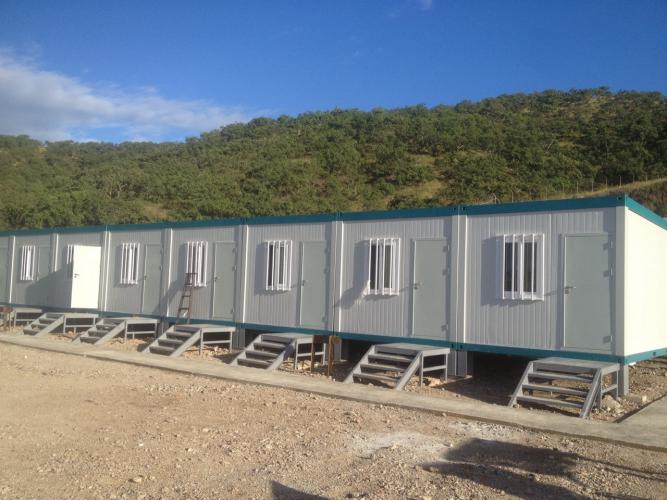
Earlier global camp projects relied heavily on simple container houses and K-type prefab houses, designed for rapid mobilization and short project durations. These solutions provided basic shelter and scalability but were often limited in thermal performance, acoustic comfort, and architectural flexibility, especially for management housing. As project durations extended and owner expectations increased, EPC camp portfolios began to differentiate between short-term worker dormitories and longer-term residential units requiring higher design and finishing standards. China light steel structure villa products emerged in this context as semi-permanent residential buildings with increased customization, better envelope performance, and more diverse architectural forms than conventional modules.
Chinese modular housing manufacturers have progressively invested in design capabilities, logistics planning, and on-site installation management to support this evolution. Standardized structural systems and modular wall assemblies co-exist with customized layouts and finishing schemes, allowing villas to be tailored to the needs of specific EPC projects. In many camps, light steel villas now serve as management housing, long-cycle worker dormitories, or core functional buildings such as offices and canteens, alongside container houses for short-term or highly mobile accommodation. This combination of different prefab typologies allows owners to align initial investment with project lifecycle and operational strategies.

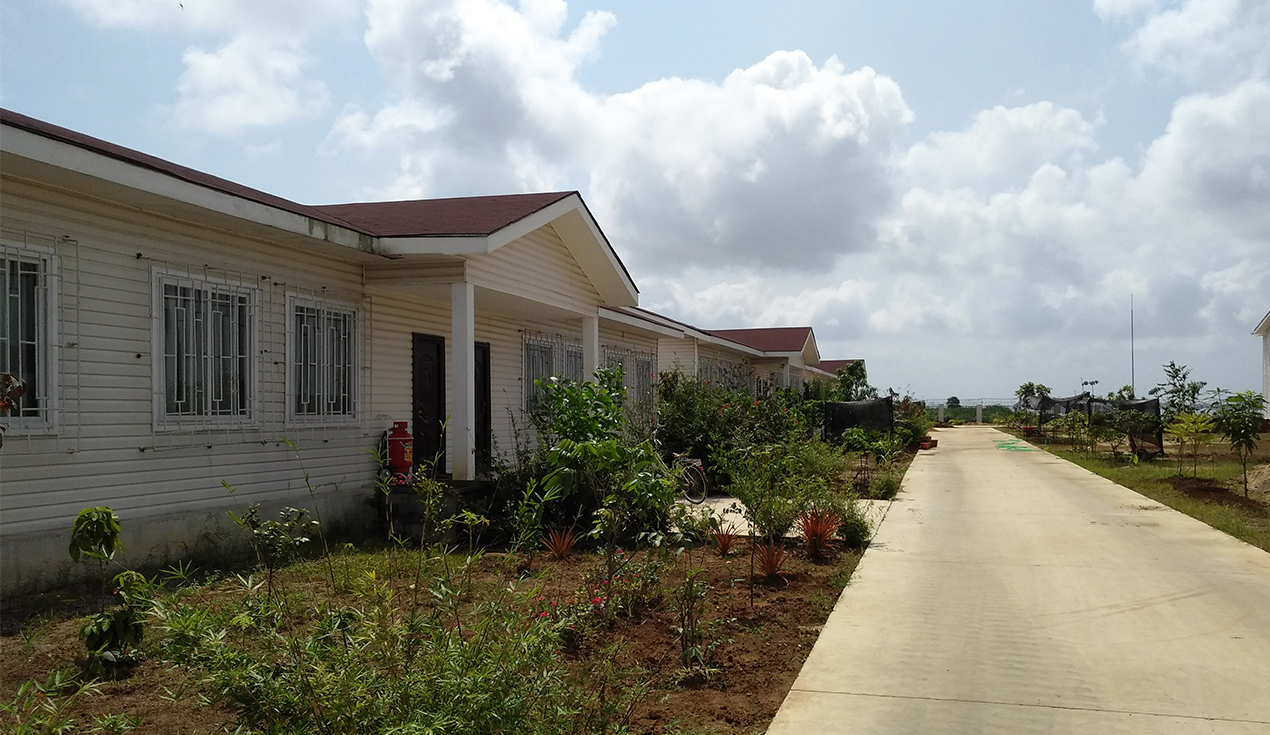
In South America, power and mining projects often face high humidity, coastal corrosion, and complex logistical conditions for camp construction. A Venezuela camp project using light steel villas shows how corrosion-resistant structures and customized materials can support long-term camp operation around a central power plant. Here, villas function as semi-permanent housing for key personnel, while other modular units cover short-term worker accommodation and auxiliary functions. This combination addresses both lifecycle requirements and environmental challenges, making china light steel structure villa a viable asset within the broader project housing strategy.
In Southeast Asia, mining camps need to support large workforces in humid, rainfall-intensive environments, where ventilation and durability are crucial. An Indonesia mining camp case demonstrates the use of light steel structure villa dormitories and canteen buildings for worker housing in remote locations. These villas integrate modular layouts with targeted material choices to handle local climate effects, while maintaining a camp structure that can be expanded or reconfigured as production scales. The result is a camp where core residential buildings achieve higher comfort levels without sacrificing deployment speed and logistical efficiency.
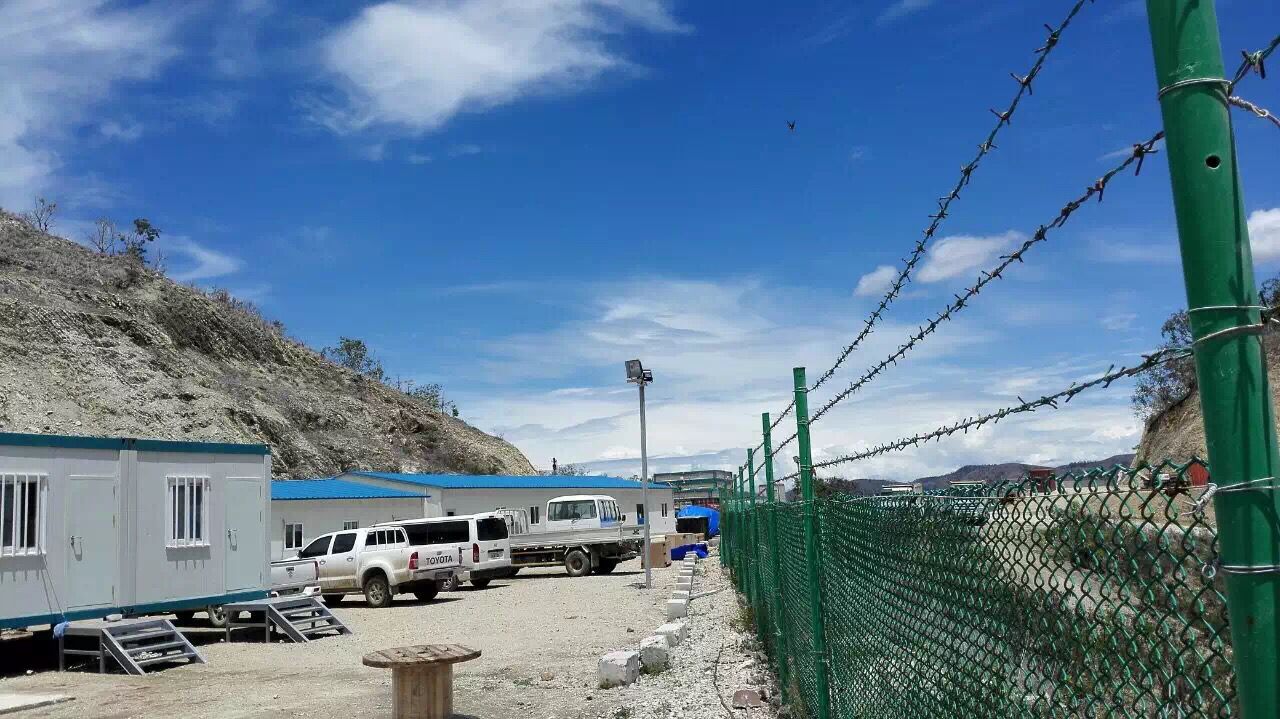
In oil and gas fields or remote energy projects, camps often combine container houses with light steel villas to provide tiered housing solutions. Container houses cover early-stage construction needs and highly mobile roles, while light steel villas support long-term workforce housing and management offices. This portfolio approach helps project teams align accommodation type with employee role, expected length of stay, and required living standards. China light steel structure villa thus becomes one component in a diversified camp system rather than a single, standalone product.
For EPC owners, housing solutions are most effective when integrated into a broader camp planning and delivery process. Suppliers with EPC orientation, such as Chengdong Modular House, typically start from demand definition: project scale, workforce composition, schedule, and local regulatory environment. Camp master planning then translates these inputs into layouts that combine different building types, including light steel villas, around functional and logistic constraints. Here, china light steel structure villa options are positioned in zones that require higher comfort and longer service life, such as core residential or office clusters.
The integrated process usually includes design and engineering, factory prefabrication, global logistics, and on-site installation using a mix of local and international teams. In South American countries like Argentina and Venezuela, local labor management and compliance with construction and employment regulations are essential parts of camp implementation. Chinese suppliers coordinate with local partners to manage customs clearance, inland transport, and site assembly while meeting host-country technical standards. This integrated approach ensures that china light steel structure villa units fit seamlessly into camp infrastructure, utilities, and operational workflows.
Recent years have seen a clear trend toward higher thermal and acoustic performance in camp housing, driven by both worker welfare concerns and energy efficiency targets. Light steel structure villas adopt more advanced insulation systems and window configurations than basic modules, improving indoor temperature stability and noise control. Service life expectations have increased as owners look to reuse or repurpose camp buildings for secondary projects or community infrastructure after initial project completion. Consequently, designs increasingly account for maintainability, modular replacement of components, and potential relocation or expansion.
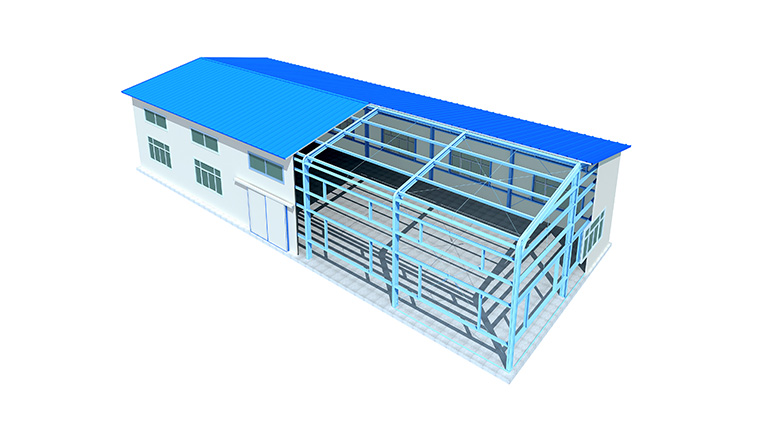
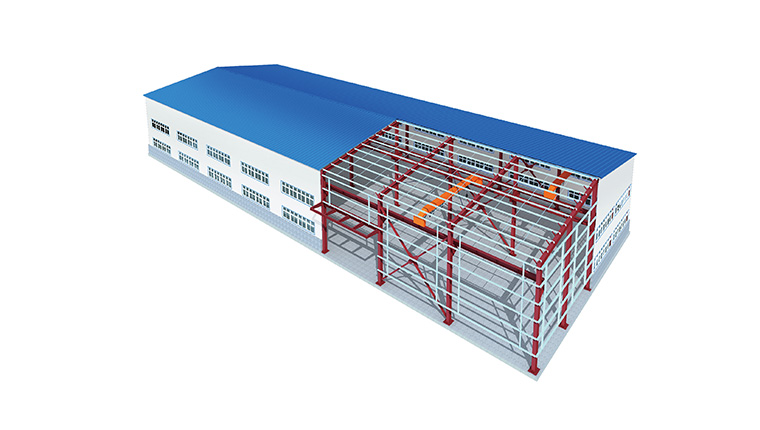
Structural innovation is another trend, with cold-formed light steel portal frames and hybrid systems used to reduce self-weight and standardize production. This enables more efficient mass manufacturing while preserving structural capacity for large functional buildings in camps, such as workshops and dining facilities. Standardized modules and wall assemblies simplify on-site installation, reducing labor hours and supporting deployment in regions with high labor costs or limited skilled workers. At the same time, integration with ESG and sustainability objectives encourages reduced construction-site pollution and material waste through factory prefabrication.
Sustainability considerations also extend to reuse and adaptability: villas may be designed for disassembly and reassembly in new locations or for conversion into civil buildings once projects end. The possibility to select materials and finishes based on environmental exposure supports lower maintenance requirements and more predictable long-term operating costs. In tourism and civil applications, aesthetic and functional customization plays an increasing role, influencing facade design, interior layout, and integration with surrounding landscapes. These trends collectively shape the future of china light steel structure villa as a flexible tool in both industrial and non-industrial built environments.
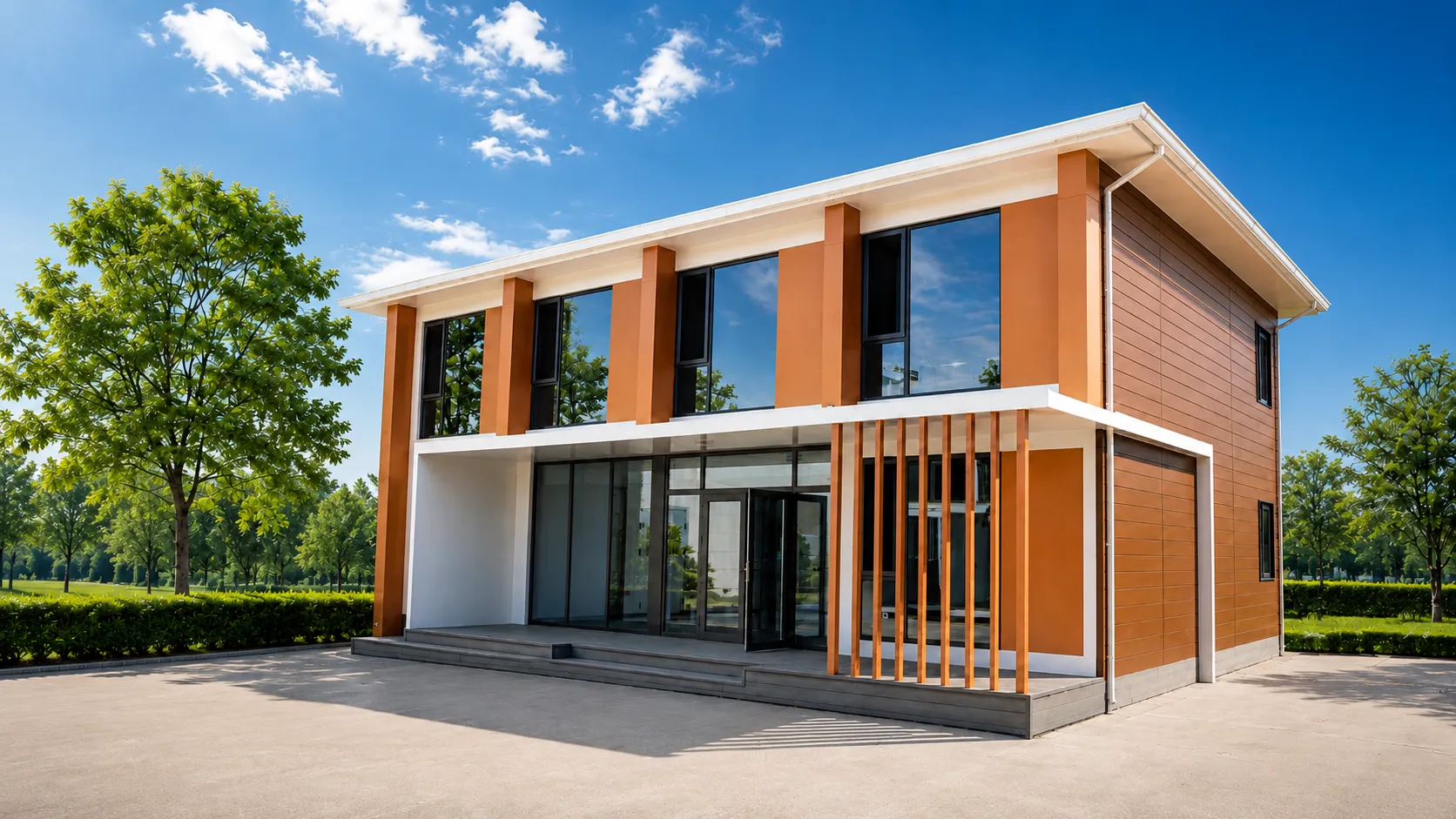
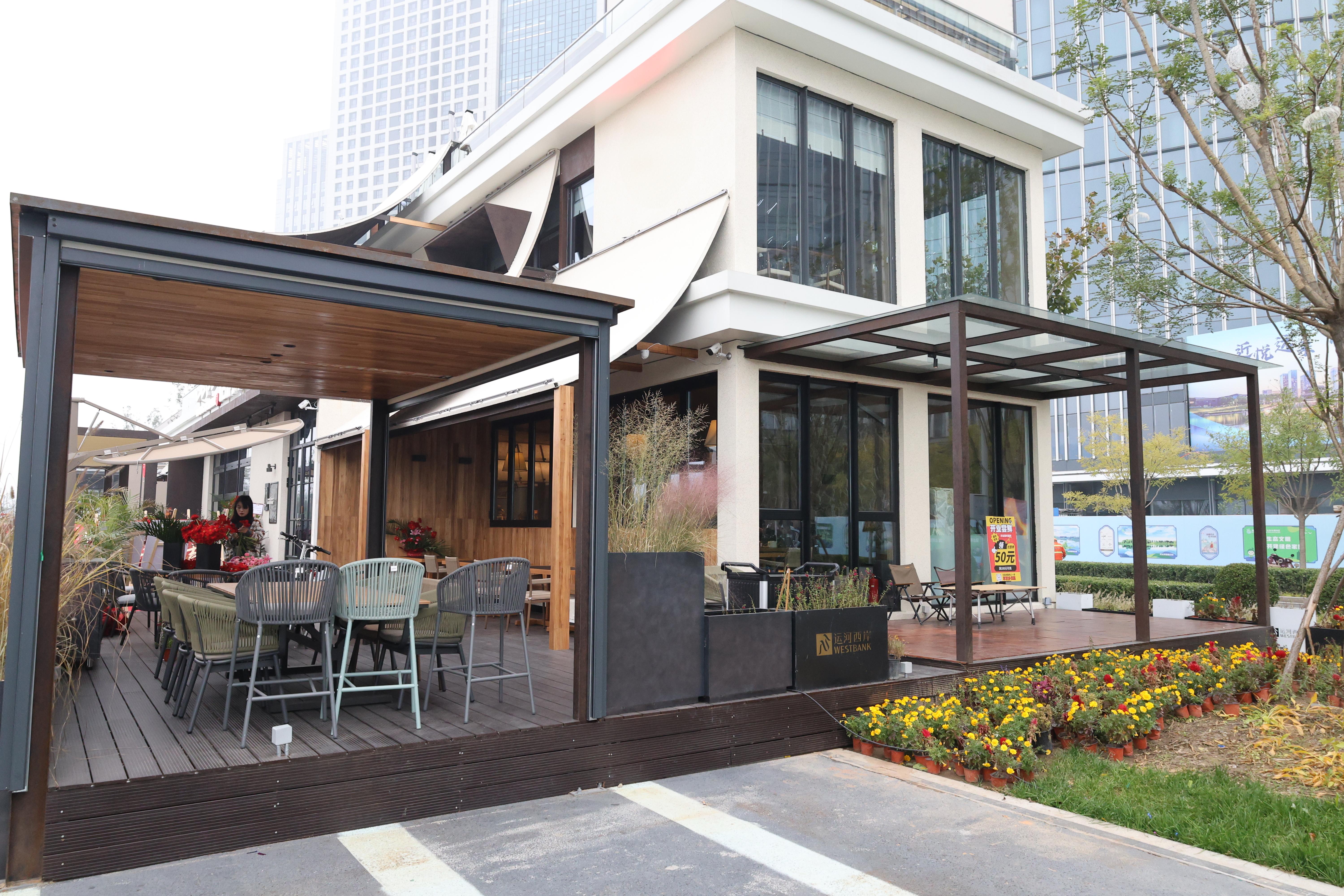
Experience gained in EPC camps is gradually being transferred into civil housing and tourism projects that require modular yet comfortable villa solutions. Light steel villas are used in culture and tourism application areas, providing semi-permanent housing with customizable layouts and finishes. In coastal resort developments, light steel structure villa systems help resist corrosion, withstand strong winds, and reduce maintenance demands by combining targeted material selection with modular design. These projects illustrate how industrial camp technologies can adapt to leisure and residential settings without losing their core advantages in speed and standardization.
From a design perspective, civil and tourism applications allow greater variation in architecture: facades, roof forms, and interior spaces can be tailored to local culture and user expectations. China light steel structure villa thus serves as a bridge between industrial camp housing and mainstream residential development, converging performance and comfort levels across sectors. As regulatory frameworks and market expectations encourage higher-quality living environments, villas originally designed for engineering camps can be repositioned for permanent communities or resort clusters. This cross-sector deployment broadens the long-term relevance of the technology and supports stable manufacturing capacity for suppliers.
A light steel structure villa uses a light-gauge steel frame and integrated wall, floor, and roof systems to form semi-permanent buildings with higher customization and residential comfort levels. By contrast, container houses are based on standardized box units optimized for rapid deployment and stacking, often used for short- to medium-term accommodation.
Short-term or highly mobile work phases usually rely on container houses or basic prefab units that can be quickly installed, relocated, or decommissioned. Multi-year operation phases, especially where buildings serve as offices or permanent housing, benefit from china light steel structure villa solutions with longer design lifespans and higher comfort.
The process typically starts with demand analysis and camp planning, followed by technical design, factory prefabrication, and coordinated global logistics to the host country. On-site installation then combines modular assembly with finishing works, using a mix of local labor and supervisory teams familiar with both Chinese standards and local regulations.
Owners can implement planned maintenance for envelope components such as cladding, waterproofing, and windows, while retaining the core steel frame for extended service life. Where projects conclude, light steel villas may be repurposed for new industrial uses, community facilities, or tourism developments, depending on location and regulatory conditions.
China light steel structure villa technology has evolved from a niche product into a strategic component of global EPC camp portfolios, responding to longer project lifecycles and rising expectations for residential quality. By integrating semi-permanent structural systems, improved envelope performance, and customizable layouts, these villas complement container houses, prefab units, and steel structures in complex camp environments. Their deployment in South American power projects, Southeast Asian mining camps, and coastal resort developments shows how one technical approach can adapt across industrial and civil sectors. For project owners and planners, understanding the strengths and appropriate application scenarios of china light steel structure villa solutions is now an essential part of designing resilient, efficient, and livable global camps.
Scan the QR code to follow