
Tel / Whatsapp:+86 18001125785

Email:chengdong@cdph.com.cn

INQUIRY→

Home/

News/

Blog/

Expandable Container Houses: Versatile Solutions for Global Project Camps/

Expandable Container Houses: Versatile Solutions for Global Project Camps

Blog

Release date:Dec 17, 2025

Share:

In the fast-paced world of international engineering, mining, and emergency response, the demand for flexible, durable, and efficient accommodation and workspace solutions has never been higher. Expandable container houses have emerged as a game-changer, addressing the unique challenges of remote project sites, harsh climates, and tight timelines. Designed to adapt to diverse needs and environments, these modular structures are redefining how global teams build functional, comfortable camps—whether for long-term engineering projects, disaster relief efforts, or temporary industrial operations.


What Are Expandable Container Houses?


Expandable container houses are a specialized type of modular building that combines the portability of standard shipping containers with the flexibility of expandable space. Unlike traditional fixed-size containers, these units are engineered to "expand" horizontally or vertically once on-site, transforming from a compact transportable package into spacious living quarters, offices, storage facilities, or specialized spaces like medical clinics or command centers.

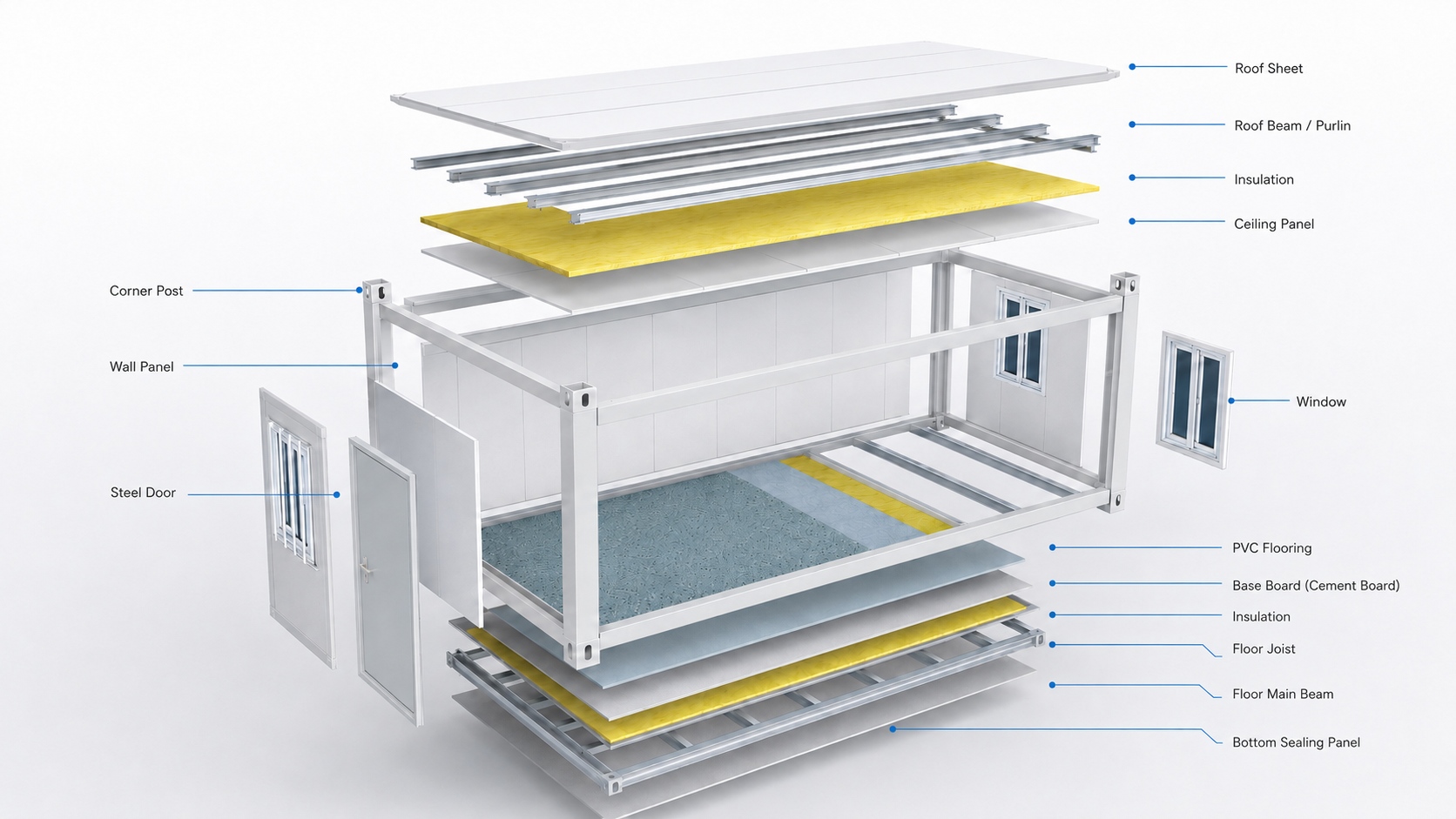
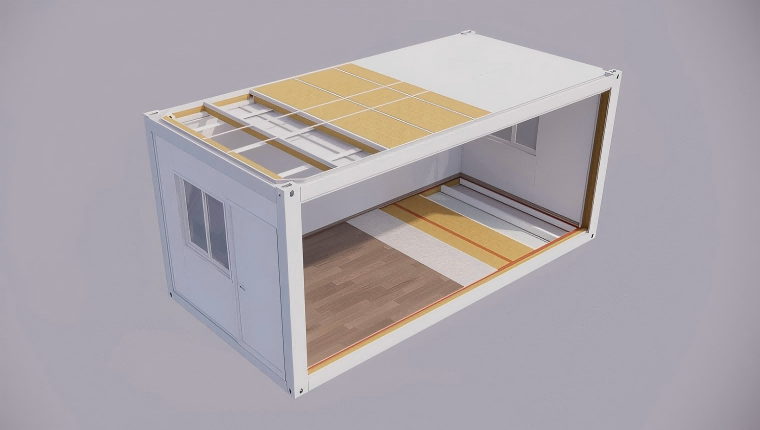
At their core, these structures leverage modular design principles: key components—walls, floors, roofs, and internal fixtures—are precision-manufactured in controlled factory environments before being shipped to the project location. This prefabrication process ensures consistent quality, reduces on-site waste, and streamlines assembly. The steel frame construction, a hallmark of durability, provides structural integrity that withstands seismic activity, high winds, and extreme temperatures—critical for regions prone to natural disasters or harsh weather conditions.

What sets expandable container houses apart is their adaptability. A single unit can expand to double or even triple its transport size, while multiple units can be combined horizontally or stacked vertically (up to three levels) to create larger complexes. This modularity means they can be customized to fit specific project needs: from small teams requiring a handful of dormitories and an office to large-scale operations needing full-service camps with dining halls, warehouses, and recreational spaces.


Core Advantages of Expandable Container Houses for Global Projects


Unmatched Flexibility for Dynamic Needs

Global projects often face shifting requirements—whether scaling up operations, adjusting to site constraints, or repurposing spaces as project phases change. Expandable container houses excel in this dynamic environment. Their modular design allows for easy reconfiguration: a unit used as a temporary office during the construction phase can be converted into a storage facility or staff lounge later. For multi-phase projects or operations across multiple sites, these structures can be disassembled, transported, and reused, eliminating the need for permanent construction and reducing long-term costs.

Rapid Deployment to Beat Tight Timelines

Time is a critical resource in project management, especially for emergency response or time-sensitive engineering projects. Expandable container houses address this by minimizing on-site construction time. Since 90% of the manufacturing process happens in factories—including electrical wiring, plumbing, and interior finishes—on-site work is limited to unloading, expanding, and connecting units. This means a fully functional camp can be up and running in days rather than weeks or months, allowing teams to start operations faster and meet tight deadlines.

Durability for Harsh Global Environments

From the scorching deserts of the Middle East to the earthquake-prone regions of South America and the humid islands of Southeast Asia, expandable container houses are built to thrive in challenging conditions. The steel frame resists corrosion, deformation, and pest infestations, while specialized insulation and sealing systems provide thermal efficiency—keeping interiors cool in extreme heat and warm in cold climates. For coastal or rainy regions, water-resistant materials and elevated designs prevent flooding, ensuring the structures remain operational even in adverse weather.

Sustainable and Eco-Friendly Design

Sustainability is a growing priority for global organizations, and expandable container houses align with this goal. Their prefabricated construction reduces material waste compared to traditional on-site building, as factories optimize material usage and recycle excess resources. Additionally, the ability to reuse and relocate units minimizes the environmental impact of new construction, while energy-efficient fixtures and insulation reduce ongoing energy consumption. For projects in ecologically sensitive areas, these structures require minimal site preparation—avoiding large-scale land clearing or concrete pouring—and can be easily removed once the project is complete, allowing the land to be restored.

Customization to Meet Industry-Specific Needs

Every industry has unique requirements, and expandable container houses can be tailored to fit them. For engineering and mining camps, units can be equipped with heavy-duty flooring, secure storage for tools and equipment, and communal spaces designed for shift workers. In emergency response scenarios, they can be configured as mobile medical clinics with examination rooms, patient beds, and sterilization areas. For remote education or healthcare projects, they can include soundproofing, natural lighting, and specialized fixtures to support learning or treatment. This level of customization ensures the structures deliver real value, addressing the specific challenges of each project.


Key Applications of Expandable Container Houses Worldwide


Engineering and Construction Camps

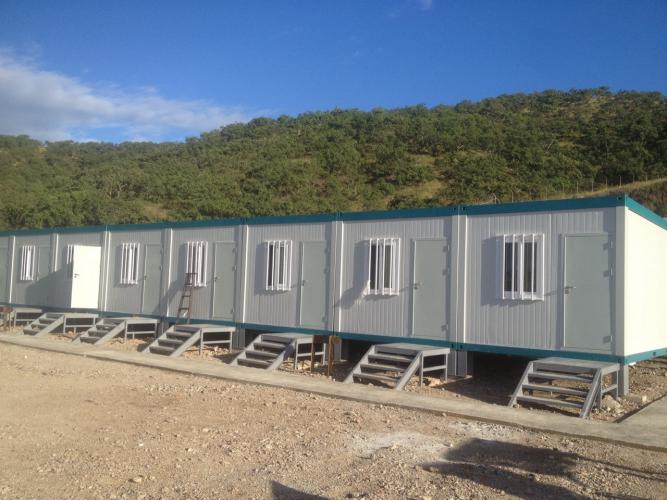
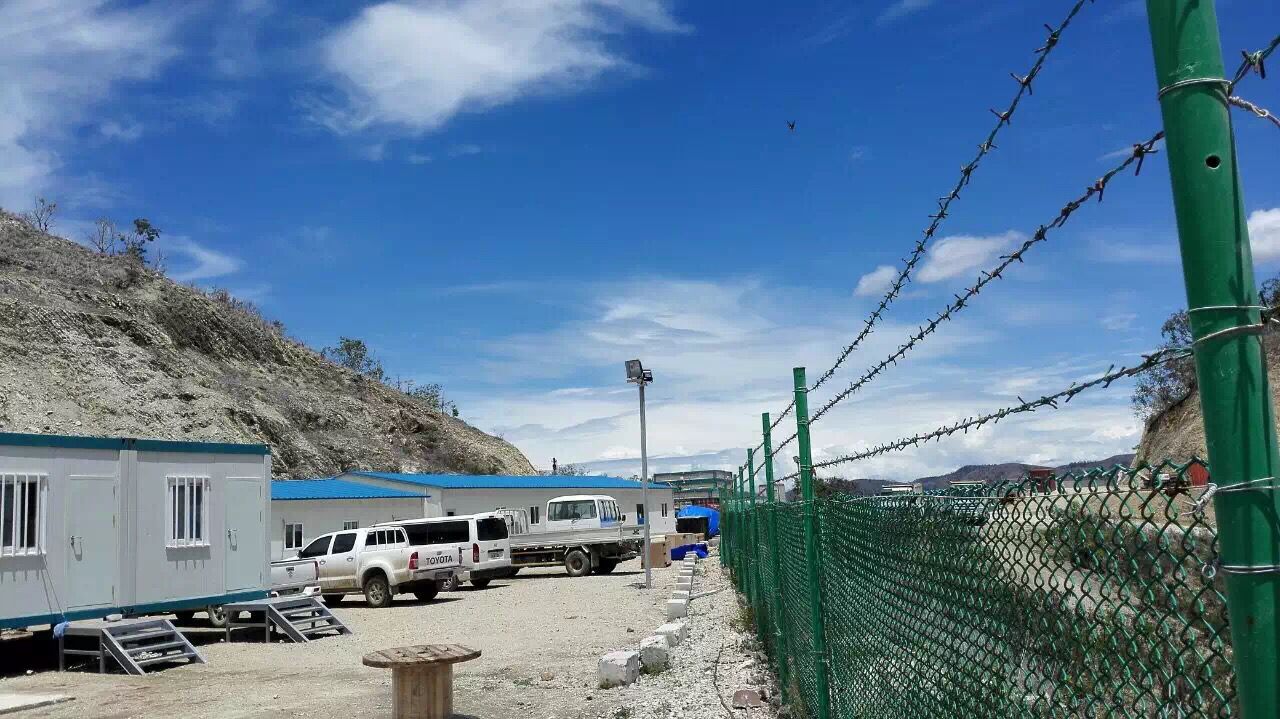
Engineering projects—whether building roads, bridges, oil pipelines, or industrial facilities—often require housing and workspace for large teams in remote locations. Expandable container houses provide a turnkey solution, offering dormitories, offices, meeting rooms, and storage facilities that can be scaled to match the project’s size. For example, in a large oilfield development in the Middle East, these structures can be quickly deployed to create a self-contained camp with living quarters for hundreds of workers, a cafeteria, and a command center—all designed to withstand high temperatures and sandstorms.

Mining and Resource Extraction Operations

Mining and resource extraction sites are typically located in isolated areas with limited infrastructure. Expandable container houses solve this by providing durable, functional spaces for workers and equipment. Units can be customized as crew dormitories, equipment storage facilities, and on-site laboratories, all built to resist the dust, vibration, and extreme temperatures common in mining regions. In South America’s mining districts, where earthquakes and floods are common, the structures’ seismic resistance and quick deployment make them an ideal choice for both permanent operations and emergency backup facilities.

Emergency Response and Humanitarian Aid

Natural disasters—such as earthquakes, hurricanes, and volcanic eruptions—require immediate access to shelter, medical care, and command centers. Expandable container houses are a critical tool in these scenarios, as they can be shipped quickly to disaster zones and set up within hours to provide emergency housing for displaced populations, mobile medical clinics, and coordination centers for relief teams. For example, in the aftermath of a volcanic eruption in Indonesia, these structures can be deployed to remote islands to create temporary shelters and medical facilities, helping communities recover faster.

Remote Healthcare and Education Facilities

Many regions around the world lack access to basic healthcare and education due to remote locations or inadequate infrastructure. Expandable container houses offer a sustainable solution, serving as mobile clinics, schools, and community centers. In Indonesia’s scattered islands, where transportation is challenging, these structures can be shipped to remote villages and converted into schools with classrooms and teacher housing, or clinics with examination rooms and pharmacy storage. Their durability ensures they remain operational for years, providing long-term value to underserved communities.


Why Choose a Trusted Provider for Expandable Container Houses?


The success of a project relying on expandable container houses depends largely on the quality and reliability of the provider. A trusted partner brings expertise in modular design, global manufacturing, and local market knowledge—ensuring the structures meet industry standards and adapt to regional requirements.

Look for a provider with a proven track record in engineering and modular construction, backed by robust research and development. This ensures the structures incorporate the latest innovations in durability, energy efficiency, and customization. Additionally, a global presence means the provider can handle logistics, shipping, and on-site support—even in remote regions—ensuring timely delivery and installation.

Quality control is another critical factor. Reputable providers implement strict quality checks throughout the manufacturing process, from sourcing materials to final assembly, ensuring each unit meets international standards for safety and performance. For projects in regulated industries or regions, this includes compliance with local building codes, environmental regulations, and safety certifications.

Finally, a customer-centric approach—including personalized design support, project management, and after-sales service—ensures the solution aligns with the project’s unique needs. Whether it’s customizing a unit for a specific climate, coordinating shipping to a remote location, or providing maintenance support, a trusted provider acts as a partner throughout the project lifecycle.


Real-World Impact: A Case in Point


In 2023, a humanitarian aid project in Sri Lanka required urgent housing solutions for local fishermen displaced by natural disasters. The project needed 500 sets of box houses to improve living conditions, and expandable container houses were selected for their rapid deployment capabilities, durability, and flexibility. The units were manufactured in a factory, shipped to the site, and expanded to create spacious dormitories with basic amenities. Within weeks, the camp was fully operational, providing a safe and dignified living environment for the displaced community. This project demonstrates how expandable container houses can deliver tangible, life-changing results in even the most challenging circumstances. Learn more about this project here.


Conclusion


Expandable container houses are more than just buildings—they are versatile, efficient solutions that empower global teams to overcome the challenges of remote locations, tight timelines, and harsh environments. Their modular design, rapid deployment, durability, and customization make them ideal for engineering camps, mining operations, emergency response, and community projects worldwide. By choosing a trusted provider with expertise in modular construction and global project support, organizations can ensure their structures deliver long-term value, meet industry standards, and adapt to the unique needs of each project.

In a world where agility, sustainability, and reliability are key to success, expandable container houses are proving to be an indispensable tool for global projects. Whether you’re managing a large-scale engineering operation, responding to a crisis, or building essential services in remote communities, these structures offer a smarter way to build—one that saves time, reduces risk, and delivers real impact.

whatsapp.png
+86 18001125785
zongubimgfz3.svg
chengdong@cdph.com.cn

Scan the QR code to follow