
Tel / Whatsapp:+86 18001125785

Email:chengdong@cdph.com.cn

INQUIRY→

Home/

News/

Blog/

Modular Classroom Building Solutions for Modern Schools/

Modular Classroom Building Solutions for Modern Schools

Blog

Release date:Jun 05, 2026

Share:

What Are Modular Classroom Building Solutions?


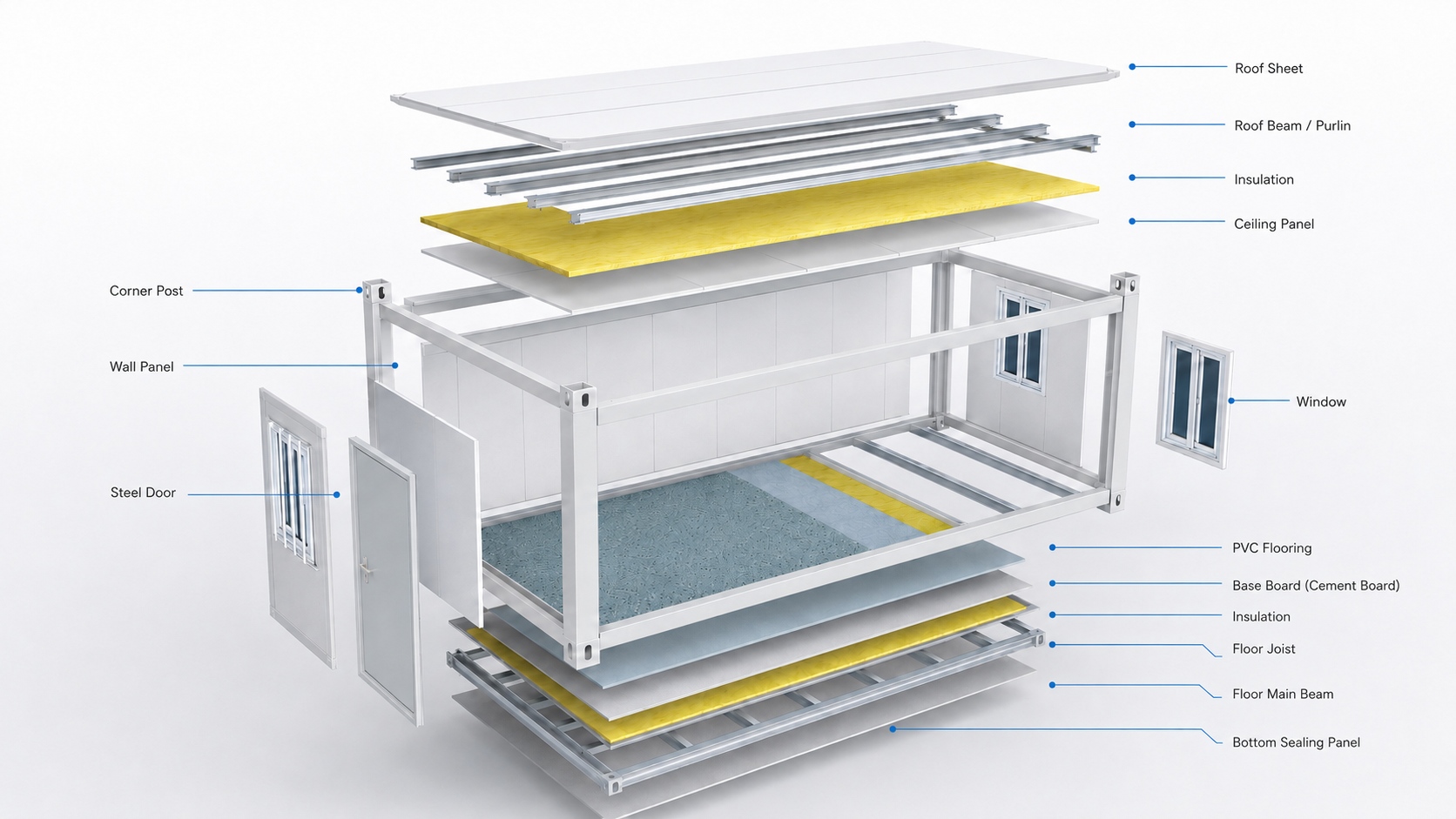
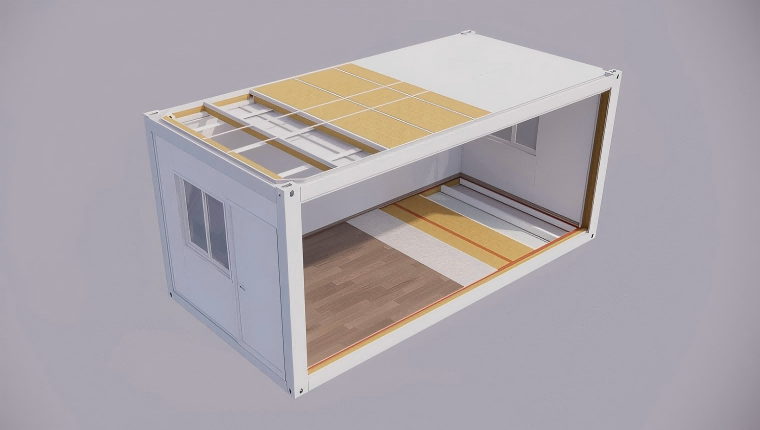
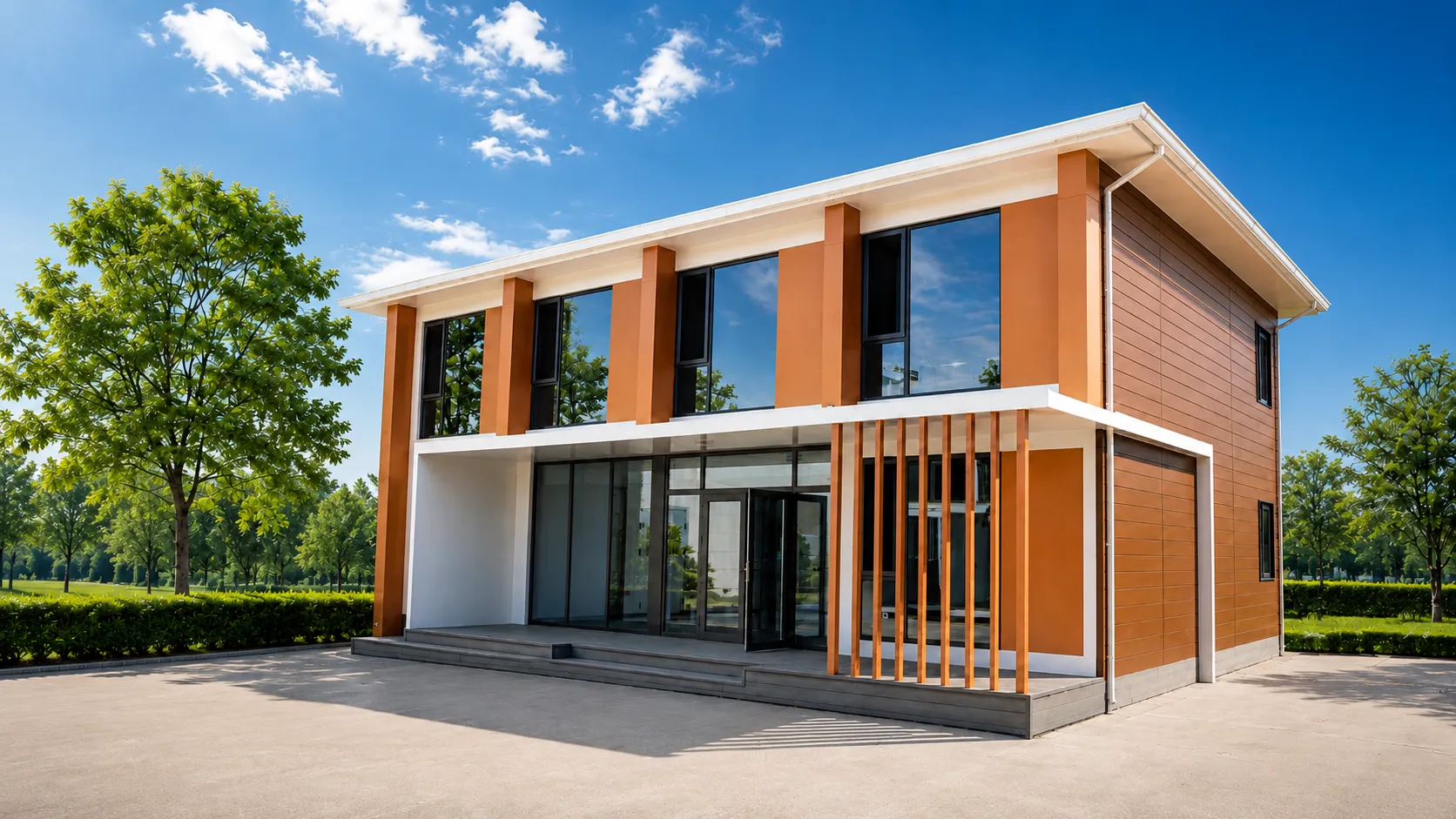
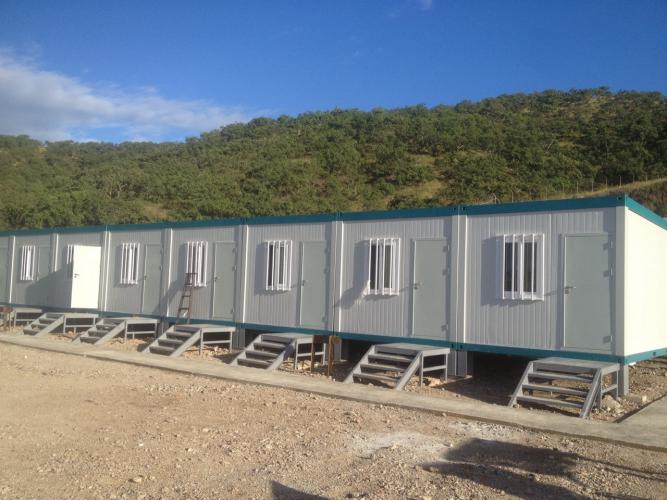
Modular classroom building solutions are prefabricated teaching spaces manufactured in factory‑controlled environments and assembled on school sites in weeks rather than years. Unlike traditional brick‑and‑mortar projects, up to 90% of the structure is completed off‑site, including the steel frame, wall and roof panels, insulation, doors, windows, and pre‑installed MEP systems. These standardized modules can be used as standalone classrooms or combined horizontally and vertically to form multi‑storey educational buildings.

At the structural level, modular classrooms typically use hot‑dip galvanized steel frames with composite wall panels and well‑insulated roofs to guarantee durability and comfort in diverse climates. The modular grid allows schools to scale projects easily, from a single overflow classroom to a complete campus with teaching blocks, offices, dormitories, cafeterias, and multipurpose halls. Chengdong Modular House (CDPH) specializes in this integrated approach, delivering turnkey educational facilities in more than 100 countries worldwide.


Key Advantages of Modular Classroom Buildings


  1. Rapid Deployment and Minimal Disruption

One of the strongest advantages of modular classroom building solutions is speed. Traditional school construction often takes 12–24 months or longer, whereas modular classrooms can be designed, prefabricated, and installed in a matter of weeks. Because factory fabrication and on‑site preparation run in parallel, the overall project schedule is dramatically compressed.

The Yunhe Primary School Wenju Campus Safety Hidden Hazards Elimination Project is a clear example. Chengdong demolished the original classrooms, completed foundation works, installed 1,688 m² of custom modular buildings, connected utilities, and finished interior and exterior decoration in only 29 days, delivering the project before the new semester started. This ensured that teachers had sufficient time to prepare classrooms and that students returned to a fully upgraded, safe learning environment with no delay to teaching.

For more information about Chengdong’s broader modular classroom solutions, see its detailed blog on modular classroom building solutions.


  1. Cost Efficiency and Predictable Budgets


Modular construction typically reduces build times by 30–50% compared with traditional methods, which directly cuts labor and overhead costs. Factory production also improves material utilization and bulk purchasing, reducing waste and stabilizing unit pricing. For standard modular classroom units, total purchase costs commonly range from about 100,000 to 300,000 USD depending on size, configuration, and interior specification.

Because most work takes place under controlled conditions, weather‑related delays and cost overruns are greatly reduced, resulting in more predictable budgets. Over the building’s lifecycle, improved insulation, optimized HVAC systems, and LED lighting can lower energy consumption, leading to utility savings of up to 38% compared with many conventional buildings of similar size. When these operational savings are projected over 20–25 years, modular classrooms often deliver a very strong total cost of ownership for schools and education authorities.

Chengdong also provides modular office building and camp solutions that follow similar cost‑control principles, as described in its modular office pricing guides.


  1. Quality, Safety, and Compliance


Because modular classrooms are built in factories, every module passes through standardized quality checkpoints, from steel fabrication and welding to finishing and electrical installation. This industrialized process allows consistent adherence to building codes and safety standards, and Chengdong’s modular systems carry international CE and CSA certifications.

The Yunhe Primary School project shows the depth of this quality system. All building materials—steel, concrete, and finishes—were accompanied by manufacturer certificates and test reports, and key materials were sampled and retested by an independent supervision team. The project strictly followed engineering drawings and relevant technical standards, with complete technical documentation and quality acceptance certificates signed by design and supervision units at handover. Through this approach, Chengdong achieved zero safety incidents during construction and delivered classrooms that meet stringent educational space requirements, including fire protection and lightning protection standards.


  1. Flexibility, Scalability, and Reusability


Modular classroom building solutions can evolve as educational needs change. Schools can start with a core teaching block and later add or remove modules as enrolment fluctuates, budgets shift, or curricula expand into new areas such as STEM labs, maker spaces, or vocational training rooms. Units can be combined to form libraries, computer labs, administrative offices, or dining halls, all based on the same structural system.

A key advantage is reusability. Modular buildings can be disassembled, transported to a new site, and re‑installed, allowing assets to be redeployed rather than abandoned when needs change. Components from decommissioned buildings can also be refurbished and reused in other projects, supporting a circular economy approach to campus development.


  1. Better Learning Environments and Sustainability


Modern modular classrooms are engineered to support healthy, high‑performance learning environments. Interiors are designed for natural daylight, acoustic comfort, thermal stability, and indoor air quality, all of which influence student concentration and teacher satisfaction. In the Yunhe Primary School project, Chengdong used E0‑grade compact laminate wall panels with very low formaldehyde and VOC emissions, then conducted rigorous indoor air quality testing before handover to ensure that all results met national standards.

Noise control is another priority. Mineral wool acoustic ceilings were installed in general classrooms to absorb ambient noise and improve speech clarity, while ceramic‑aluminum acoustic wall and floor panels in music rooms created professional‑level sound performance with low maintenance needs. From a sustainability standpoint, modular construction significantly reduces on‑site waste and allows efficient recycling of offcuts in the factory. Energy‑efficient building envelopes and the possibility of integrating solar panels further support long‑term environmental goals.


Case Study: Yunhe Primary School Wenju Campus


The Yunhe Primary School Wenju Campus Safety Hidden Hazards Elimination Project is a benchmark for how modular classroom building solutions can combine speed, safety, and educational quality.

  • Location and scope: The project is located in China and covers 1,688 m² of modular buildings, serving educational functions including accommodation, office, leisure, and restaurant areas in addition to classrooms.

  • Timeline: All work—from complete demolition of the original campus to commissioning of new modular buildings—was carried out between August 1 and August 29, ensuring full readiness before the new semester.

  • Safety and compliance: Chengdong installed firewalls in line with code requirements for large areas, applied a new generation of gypsum‑based non‑intumescent fireproof coatings, and used Class A1 non‑combustible insulation and acoustic materials throughout key spaces. Lightning protection tests and strict air quality testing for teaching spaces were conducted, with all results meeting relevant standards.

  • Comfort and innovation: The project features integrated underfloor heating, with pipes running through pre‑drilled holes in steel beams to provide uniform warmth, showcasing refined modular design. Durable compact laminate panels and mineral wool acoustic ceilings reduce maintenance while improving learning comfort.

  • Project value: This project confirms modular construction as an ideal solution for campus safety upgrades and rapid expansion, providing a replicable model for urban renewal and emergency education projects.

You can view the full case details here:Yunhe Primary School Wenju Campus Safety Hidden Hazards Elimination Project.


Technical Features of Chengdong’s Modular Classroom Solutions


Structural Engineering and Durability


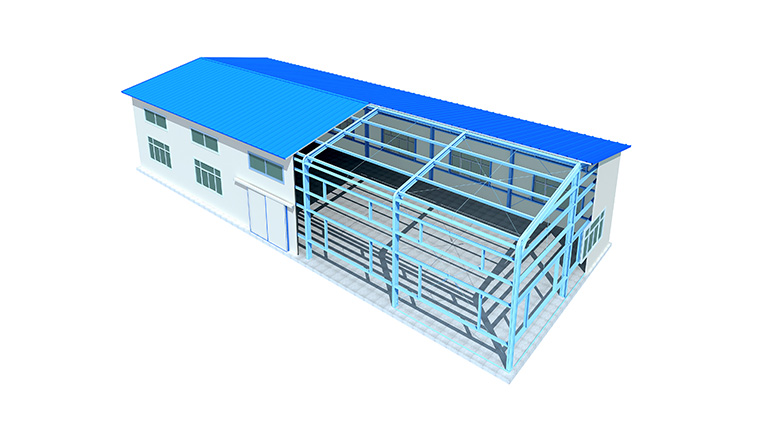
Chengdong’s modular classroom buildings use engineered steel frames designed to handle seismic loads, high winds, and diverse environmental conditions. Systems are certified for typhoon‑prone regions and can be configured for heavy snow load areas, coastal corrosion, or high‑temperature climates as needed. Hot‑dip galvanizing of structural members ensures long‑term corrosion resistance and low maintenance over the building’s service life.

Foundation systems are designed to suit local soil conditions, ranging from simple concrete pads for temporary deployments to full strip foundations or pile systems for permanent installations. Structural connections between modules are engineered for robustness, maintaining stability even when buildings are stacked up to three storeys.


Thermal, Acoustic, and MEP Performance


Modular classroom building solutions from Chengdong prioritize thermal comfort through insulated wall and roof panels with high R‑values, energy‑efficient windows, and well‑designed HVAC systems sized for classroom occupancy. This reduces energy consumption and improves indoor comfort across seasons. Acoustic performance is addressed via sound‑absorbing ceilings, partition design, and floor systems that limit noise transfer between spaces.

MEP systems are largely pre‑installed at the factory, including electrical wiring, lighting, basic plumbing, and fire detection systems. This not only improves quality but also shortens on‑site installation time. For specialized classrooms—such as science labs or IT rooms—Chengdong can integrate additional ventilation, power, and data infrastructure during the design phase.


Typical Applications in Education


Modular classroom building solutions can support a wide range of educational applications:

  • Permanent classroom blocks: Multi‑classroom buildings with integrated corridors, toilets, and teacher preparation rooms for long‑term campus expansions.

  • Temporary classrooms during renovation: Quickly deployed units that maintain teaching capacity while existing buildings are refurbished or reconstructed.

  • Specialist spaces: Science laboratories, computer labs, libraries, and arts or music rooms with tailored acoustic and MEP requirements.

  • Supporting facilities: Offices, staff housing, dormitories, canteens, and student leisure areas can all be built using similar modular systems, as shown in Chengdong’s global project portfolio.


modular classroom building solutions


Project Process: From Concept to Handover


  1. Needs Assessment and Planning


The first step in a modular classroom project is a detailed needs assessment. This covers enrolment projections, required number and type of classrooms, site conditions, climate considerations, budget constraints, and schedule expectations. Early engagement with a modular partner like Chengdong helps ensure that layout options, structural systems, and MEP configurations are aligned with both local codes and school objectives.


  1. Design and Engineering


Chengdong’s engineering team then converts requirements into specific modular layouts, including floor plans, elevations, structural calculations, and system schematics. 3D modelling and visualization tools are used so stakeholders can clearly understand the final appearance and function before production begins. Material selection is also finalized at this stage, balancing durability, aesthetics, acoustic performance, and budget.


  1. Factory Fabrication and Quality Control


In the factory, steel frames, wall and roof panels, floors, insulation, windows, and doors are assembled into completed modules under strict quality control procedures. Multiple inspections occur at each production stage, ensuring structural integrity, waterproofing, fire resistance, and visual finish meet specification. Depending on scale and customization, factory fabrication typically takes 8–12 weeks.


  1. Site Preparation and Installation


While fabrication is underway, the site is prepared with foundations, underground utilities, and access routes. Once modules arrive, cranes place them on the foundations and teams complete connections, external joints, and interior finishing touches, often within 1–3 weeks. Commissioning follows, including HVAC balancing, electrical checks, plumbing tests, and any required third‑party inspections for code compliance.

The Yunhe Primary School project compressed these steps into a 30‑day window, demonstrating what is possible when design, supply chain, and on‑site teams work in parallel with clear milestones.


Why Choose Chengdong (CDPH) for Modular Classrooms?


Chengdong Modular House is a privately owned specialist in integrated housing and modular camp solutions, with a 70,000 m² self‑owned factory, more than 80 R&D staff, over 75 patents, and annual production capacity exceeding 40,000 container units. The company has delivered projects in over 100 countries and regions, including facilities for the 2008 Beijing Olympics, the 2022 Winter Olympics, and large‑scale infrastructure and energy projects worldwide.

For educational infrastructure, Chengdong offers:

  • End‑to‑end EPC capabilities: Engineering, procurement, and construction services, from initial concept design and budgeting to installation and after‑sales support.

  • Proven education cases: Primary schools in Asia, Caribbean education projects, rural classroom deployments in Africa, and training complexes that integrate classrooms, dormitories, offices, and sports facilities.

  • Global compliance and certifications: International CE and CSA certifications, plus experience adapting designs to local codes across multiple regions and climates.

  • Health and safety focus: Full material traceability, E0‑grade interior finishes, strict air quality testing, and comprehensive on‑site safety management to protect students, staff, and workers.

To explore more products and solutions—including modular houses, container houses, and related systems—you can visit Chengdong’s product overview page.

If you plan to publish this article on your site, do you prefer to position it more for permanent school campuses or for temporary/emergency classroom needs so we can fine‑tune future content to that focus?

whatsapp.png
+86 18001125785
zongubimgfz3.svg
chengdong@cdph.com.cn

Scan the QR code to follow