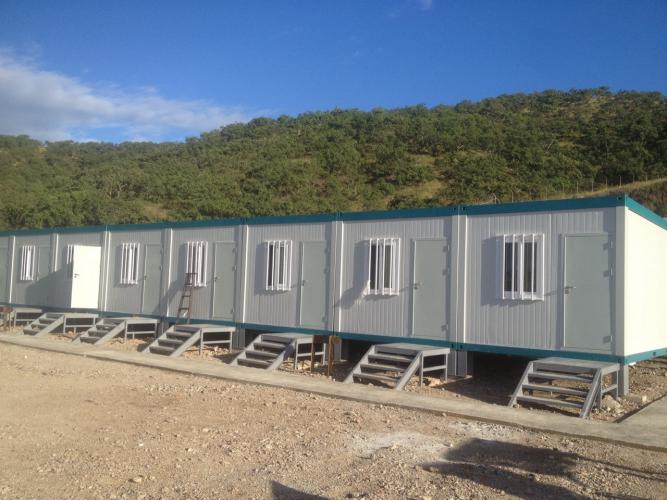
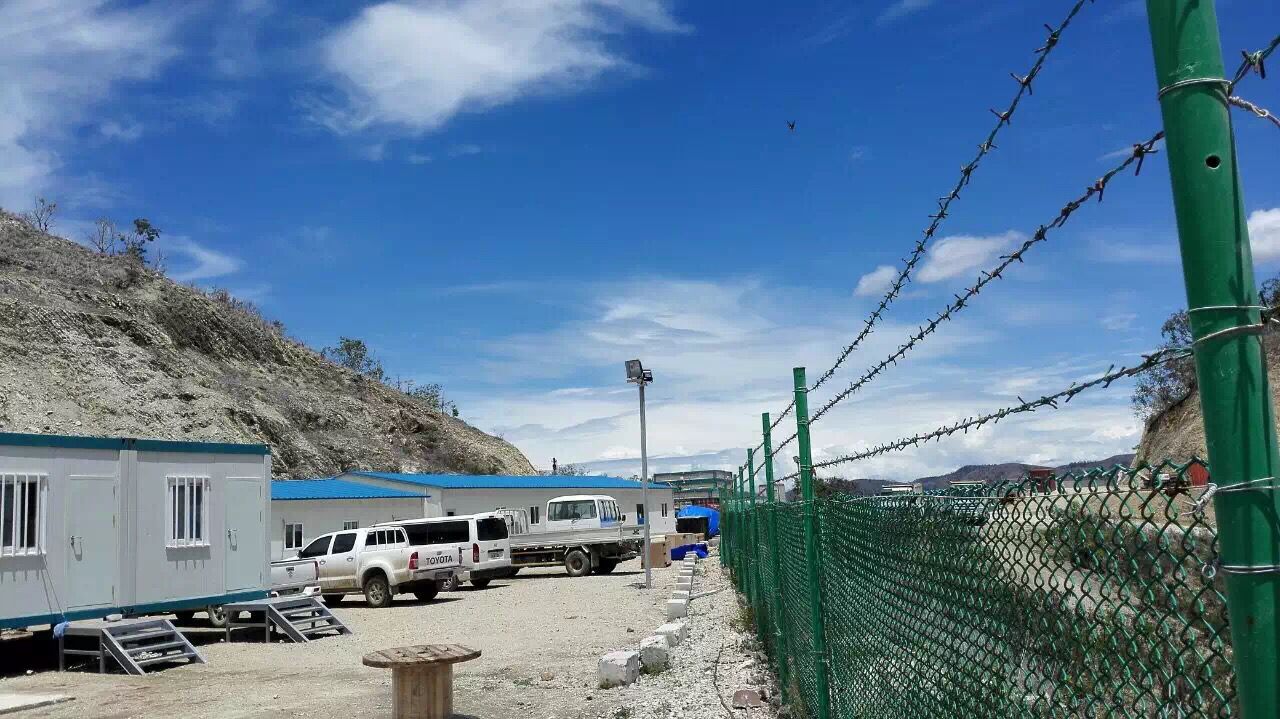
The average cost of a container house in 2026 ranges from $25,000 to $250,000, depending heavily on the size, design complexity, and material quality chosen by the buyer. Overall, prospective homeowners can expect to spend between $150 and $350 per square foot for a fully finished, professionally installed modular shipping container residence.
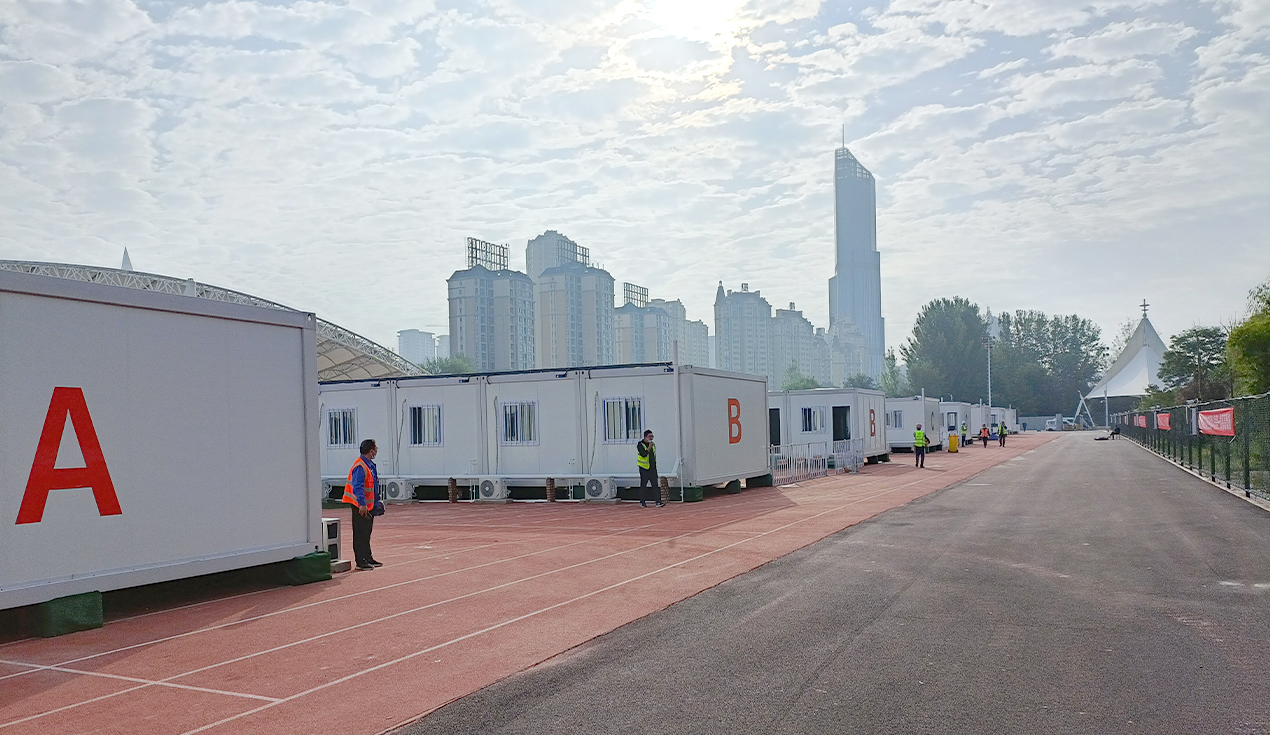
Container House Cost Overview
Understanding the average cost of a container house requires analyzing baseline expenses for eco-friendly, small-space living solutions that typically range from $25,000 to over $250,000. Luxury architectural masterpieces featuring custom designs, premium finishes, and complex engineering can easily push the total expenditure beyond $400,000. Buyers must carefully evaluate their specific layout needs, as a standard modular home averages between $240,000 and $270,000 for a complete, professional installation.
Price by Square Footage
Most professionally built container homes cost between $150 and $350 per square foot, matching the typical expenses associated with standard accessory dwelling units. If you pursue high-end custom designs with multiple containers and premium materials, the price per square foot frequently exceeds $250 to $400. Budget-conscious builders leveraging factory-prefabricated modular structures can optimize their per-unit costs to achieve maximum affordability without sacrificing structural integrity.
Basic Single Unit Costs
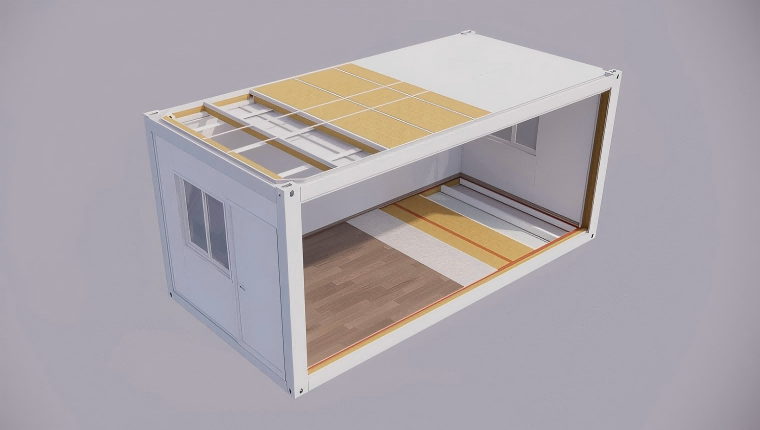
A single 20-foot container home yielding roughly 160 square feet of usable living space generally requires an investment of $25,000 to $50,000. These compact studio configurations typically feature minimal plumbing and basic insulation, making them perfect for backyard offices or guest units. Opting for a basic flat-pack unit from trusted suppliers can further reduce initial expenses while providing a robust, galvanized steel framework.
Luxury Expandable Home Prices
Families requiring more extensive living quarters frequently choose luxury expandable models spanning 30 to 40 square meters, which provide flexible accommodations. These mid-size modular homes, offering 960 to 1,600 square feet when combining multiple units, demand a budget between $190,000 and $450,000 depending on final finish quality. Premium variations seamlessly incorporate fireproof rock wool panels, elegant hardwood flooring, and cutting-edge smart-home technologies to elevate the modern living experience.
Custom Multi-Module Expenses
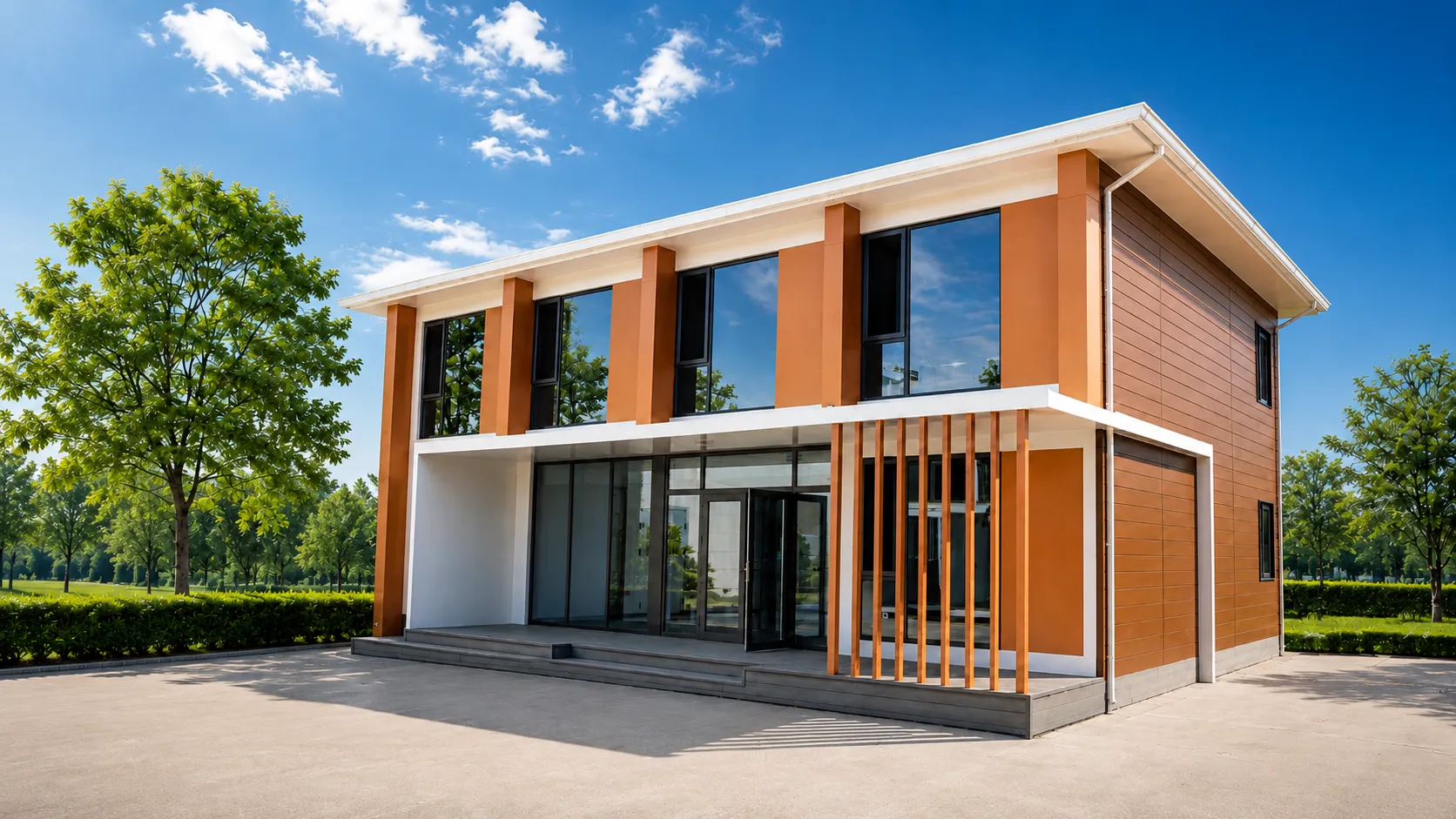
Large custom residences utilizing six or more interconnected containers to create over 1,920 square feet of space generally cost between $450,000 and $800,000. These extensive multistory floor plans mimic the feel of a traditional townhouse or duplex by seamlessly stacking modular units to maximize vertical volume. For commercial applications like apartment blocks or schools, custom multi-module systems offer a scalable solution that significantly outperforms conventional construction timelines.
Comparing Project Sizes
When evaluating the average cost of a container house across different project scales, prospective builders must account for varying square footages and module counts. Larger architectural designs offer more usable space but require exponentially higher investments in site preparation, structural welding, and premium interior finishes.
| Size Category | Container Count | Usable Square Footage | Estimated Cost Range |
| Compact Studio | 1 Container | 160 – 320 sq ft | $25,000 – $80,000 |
| Family Residence | 3 – 5 Containers | 960 – 1,600 sq ft | $190,000 – $450,000 |
| Luxury Custom Home | 6+ Containers | 1,920+ sq ft | $450,000 – $800,000+ |
New vs Used Containers
Procuring a used 40-foot shipping container generally costs between $2,000 and $5,000, offering a budget-friendly foundation for your modular housing project. Alternatively, purchasing brand-new, one-trip 40-foot standard or high-cube containers requires an initial outlay of $3,500 to $8,000, guaranteeing a pristine exterior free of chemical treatments or heavy rust. Both options provide immense durability, but new units often minimize subsequent structural repair costs and streamline the exterior modification process.
Initial Container Procurement
Sourcing individual 20-foot shipping units typically demands $1,500 to $4,000 per box, representing the foundational expense of any modular build. High-quality suppliers prioritize standardized shipping containers with exact dimensions, allowing for mass production of compatible building components at scale. By selecting reliable vendors, builders ensure their core structural framework possesses the necessary integrity to withstand decades of continuous residential use.
Delivery and Shipping Fees
Transporting massive steel modules from the manufacturing facility to your final build site introduces significant logistical expenses depending on geographic distance. Standard delivery and crane installation fees vary widely, but the standardized dimensions of shipping containers inherently streamline the freight handling process. International projects particularly benefit from specialized transport networks that drastically reduce per-unit shipping costs compared to handling raw construction materials.
Flat Pack Delivery Savings
Modern flat-pack packaging methods revolutionize modular construction logistics by dramatically compressing the required cargo volume for global transit. Organizations can efficiently consolidate five complete housing units into a single standard 20-foot shipping container, slashing overall transportation expenses by up to 80%. This innovative delivery approach is especially valuable for remote mining camps and international infrastructure projects demanding rapid, budget-conscious deployment.
Site Preparation Requirements
Preparing your land for a container house installation requires an investment of $5,000 to $20,000 to ensure proper soil grading, compacted base layers, and utility trenching. Unlike conventional construction that suffers from weather delays, proper site clearing allows the prefabricated structure to be deployed immediately upon arrival. Thorough preliminary surveying and land leveling guarantee a stable environment that prevents long-term structural distortion of the steel framework.
Foundation Construction Costs
Pouring a reliable concrete pier or slab foundation engineered specifically to support heavy point loads typically costs between $8,000 and $15,000. A perfectly level foundation is absolutely critical for container homes, as uneven ground will warp the steel frame and compromise structural integrity. Bypassing proper foundation engineering is a major reason DIY container builds frequently experience catastrophic budget blowups and expensive subsequent repairs.
Structural Modification Expenses
Transforming a solid steel shipping box into a habitable space demands $3,000 to $15,000 in specialized structural modification and welding fees. Cutting precise openings for custom windows, broad entry doors, and interconnected modular pathways inherently weakens the original corrugated steel framework. Consequently, heavy-duty steel reinforcements must be carefully welded into place to restore the container's load-bearing capacity and architectural stability.
Welding and Reinforcement
Hiring professional metalworkers to perform structural reinforcements and intricate welding tasks adds $5,000 to $10,000 per container to your overall budget. These mandatory structural upgrades prevent the roof from sagging under heavy snow loads and keep the walls straight when stacking multiple units vertically. Factory-prefabricated modular units elegantly bypass these volatile on-site labor expenses by incorporating all necessary structural reinforcements during the initial mechanized production phase.
Essential Insulation Solutions
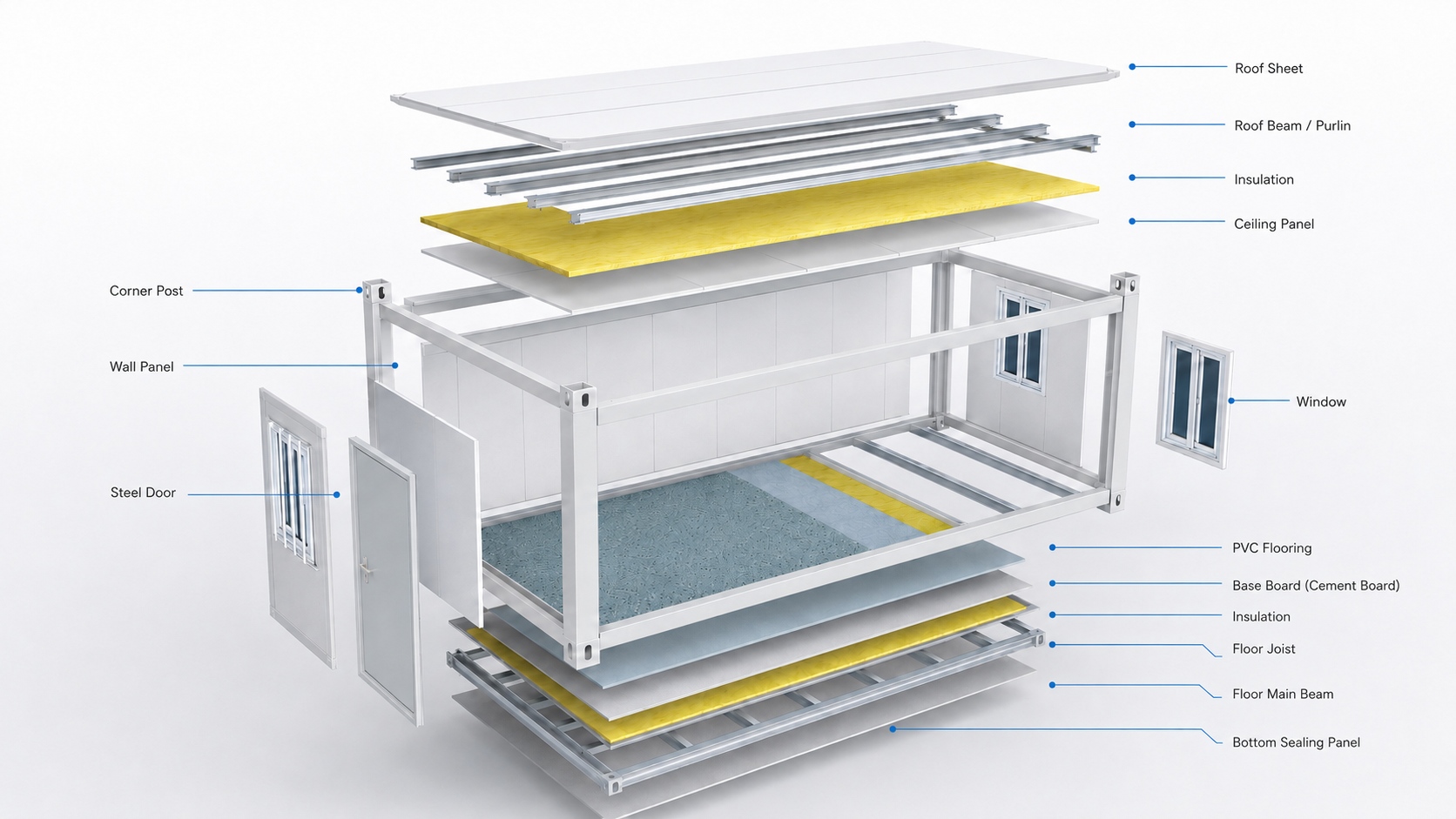
Installing high-quality insulation and dependable moisture barriers typically demands a dedicated budget ranging from $2,000 to $10,000, depending on the chosen material. Closed-cell spray foam insulation costs more upfront but performs exceptionally well by simultaneously providing superior thermal resistance and an impenetrable vapor barrier. Alternatively, integrated 75mm glass fiber or rock wool panels offer highly affordable thermal protection for basic, budget-conscious standard container houses.
Climate Adaptability Expenses
Standardized modular designs expertly accommodate diverse regional climate requirements through careful material selection without enforcing exorbitant premium pricing. Customizing a unit for extreme arctic installations demands enhanced thermal insulation, while tropical versions must prioritize aggressive ventilation optimization and advanced dehumidification systems. Coastal container homes require highly specialized, marine-grade corrosion protection coatings to prevent the salty sea air from degrading the galvanized steel framework.
Moisture Barrier Installation
Properly mitigating condensation inside a steel environment is crucial, as inadequate moisture control quickly leads to hidden mold growth and structural rusting. Investing in premium rigid-board insulation systems or comprehensive spray foam applications creates an essential thermal break between the exterior metal and interior finishes. Non-engineered DIY builds routinely fail to install sufficient vapor barriers, resulting in severe Year 1 maintenance emergencies and expensive insulation replacements.
Plumbing System Integration
Integrating professional plumbing, electrical, and HVAC utilities into a mid-sized 1,200 to 1,600 square foot container house costs approximately $10,000 to $20,000. Routing plumbing pipes through corrugated steel walls requires meticulous planning to avoid compromising the structural integrity of the base flooring and foundational supports. Factory-prefabricated options dramatically simplify this complex process by utilizing standardized, pre-drilled utility channels that allow for seamless on-site connections.
Electrical Wiring Setup
Safely hiding complex electrical wiring behind shallow container house framing demands precise carpentry and specialized conduit installations by licensed professional electricians. Budgeting accurately for extensive lighting fixtures, smart-home integrations, and heavy-duty appliance circuits is mandatory to prevent unexpected cost overruns during the finishing phases. Well-designed modular units from leading commercial manufacturers arrive with electrical components fully prefabricated, effectively eliminating unpredictable on-site labor delays.
HVAC System Installation
Maintaining comfortable indoor temperatures inside a highly conductive steel structure necessitates a robust, properly sized HVAC system and high-efficiency ductwork. High-quality climate control systems heavily influence your long-term operating costs, as demonstrated by modular projects in Chile achieving remarkably low $142 monthly cooling expenses. Properly engineered thermal systems prevent the massive budget blowups that plague standard container builds lacking professional HVAC consultation.
Interior Finishing Budgets
Upgrading the interior aesthetic of a container home with drywall, modern flooring, and custom cabinetry generally requires an investment of $15,000 to $30,000. Luxury installations utilizing premium natural materials and high-end fixtures can easily push interior finishing costs beyond $3,000 per square meter. Conversely, basic low-budget projects often utilize economical galvanized steel and EPS foam insulation systems to keep material expenses below $3 per square meter.
Exterior Cladding Options
Enhancing the visual appeal of a corrugated steel box often involves applying custom exterior cladding, which protects the structure while transforming its architectural identity. While some owners prefer the industrial look of exposed metal, applying wood siding, stucco, or composite panels requires specialized fastening systems that won't puncture the waterproofing. These aesthetic exterior modifications significantly impact the final price, pushing the overall expenditure closer to the higher end of the typical $250,000 range.
Labor and Project Management
Hiring skilled general contractors and dedicated project managers to oversee a custom container build typically consumes 20% to 30% of total construction costs. Coordinating disparate tradespeople for complex welding, specialized insulation, and custom carpentry on-site introduces significant logistical challenges and frequent weather-related delays. Choosing an established modular building manufacturer completely circumvents these unpredictable management fees by centralizing all construction labor within a highly controlled factory environment.
Factory Production Efficiency
Manufacturing modular houses inside controlled factory environments allows for highly mechanized production techniques that drastically reduce labor costs and eliminate material waste. Unlike traditional site-built structures that constantly battle local labor shortages and unpredictable weather conditions, industrial production operates on strictly optimized, reliable timelines. This streamlined approach empowers top modular house builders to deliver exceptional 30% overall cost savings alongside 50% faster project deployment schedules.
Building Permits and Fees
Securing the mandatory building permits, zoning approvals, and engineering certifications for an unconventional shipping container home adds thousands of dollars to the budget. Strict municipal building codes often dictate mandatory milestone inspections for the specialized foundation, structural steel framing, and utility integrations. Thorough bureaucratic planning guarantees vital legal compliance, actively preventing costly construction delays and forced structural teardowns ordered by local housing authorities.
Common Budget Blowups
Unprepared builders frequently encounter devastating budget blowups specifically stemming from inadequate foundations, poorly designed thermal systems, and unanticipated structural reinforcement requirements. Industry data conclusively reveals that non-engineered, DIY container house builds average a massive 73% over budget due to these highly predictable engineering oversights. Partnering with seasoned professionals prevents minor architectural mistakes from evolving into catastrophic financial disasters requiring tens of thousands of dollars in crisis consulting.
DIY Construction Risks
Attempting a DIY container house project often appears financially attractive initially, but hidden expenses rapidly accumulate when inexperienced builders confront complex steel modifications. Typical non-engineered builds face staggering Year 5 maintenance costs averaging $11,400, encompassing major foundation repairs, aggressive rust treatments, and complete re-insulation. In contrast, pre-engineered flatpack systems efficiently eliminate 89% of these disastrous cost surprises through rigorous, professional factory planning.
Professional Engineering Value
Investing in professional engineering services fundamentally determines whether a container housing project will succeed economically or collapse under long-term structural failures. Premium flatpack modular systems seamlessly include up to $14,000 worth of expert engineering services directly integrated into their transparent base pricing. This critical upfront investment guarantees structural viability, effortlessly transforming what could be a $47,000 disaster into a highly predictable, manageable expense.
First Year Maintenance
Maintaining a professionally engineered modular container house is incredibly economical, with Year 1 maintenance expenses averaging a mere $340 for routine sealant checks. In stark contrast, hastily constructed, non-engineered container builds often demand $2,100 in their first year to address emergency welding failures and critical insulation fixes. Establishing basic, preventative maintenance protocols for exterior surfaces and drainage systems immediately protects the steel framework and preserves the building's structural integrity.
Five-Year Upkeep Costs
The financial divergence between professional and amateur modular builds becomes undeniably staggering when analyzing cumulative five-year maintenance and operational expenditures. Premium engineered builds generate a modest $3,640 in total five-year upkeep costs, primarily covering minor roof coatings and routine HVAC servicing. Meanwhile, typical DIY container house builds bleed an astronomical $19,300 over five years due to severe structural reinforcements and chronic moisture damage repairs.
Comparing Supplier Standards
Evaluating container house costs requires looking past the initial price tag to understand the included engineering standards and long-term durability. Budget suppliers often provide stripped-down shells lacking essential structural reinforcements, while established manufacturers deliver comprehensive, pre-engineered living solutions.
| Feature Category | Generic Budget Supplier | Chengdong Modular House | Premium Luxury Brand |
| 20ft Base Price | $18,000 - $28,000 | $32,000 - $42,000 | $45,000 - $65,000 |
| Year 5 Maintenance | $11,400 average | $2,100 average | Minimal / Included |
| Budget Overruns | 73% over budget | 3% over budget | Varies by design |
Operating Costs Analysis
High-quality container houses leverage precision factory construction to achieve airtight thermal envelopes that drastically minimize daily energy consumption and heating expenses. Organizations deploying these advanced modular systems globally report highly consistent, predictable operating costs across diverse climates ranging from arid deserts to freezing tundras. The detailed technical specification sheet established prior to construction explicitly dictates not just the initial build budget, but the subsequent decade of utility costs.
Regional Pricing Variations
The average cost of a container house fluctuates noticeably depending on regional labor rates, municipal permit requirements, and local material supply chains. Building in high-density urban environments often incurs premium logistics fees for crane operations and specialized street closures during the delivery phase. However, utilizing standardized flat-pack designs effectively neutralizes many regional pricing spikes by concentrating the bulk of the construction process within a centralized, cost-controlled factory.
Commercial Modular Buildings
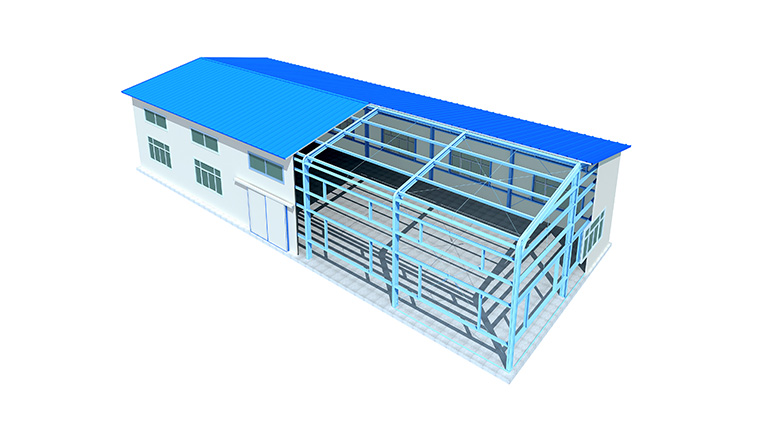
Beyond residential applications, commercial modular building manufacturers are actively revolutionizing modern business infrastructure through rapidly deployable, movable steel structures. These commercial container houses seamlessly adopt intelligent modular designs that accommodate bustling corporate offices, expansive retail storefronts, and highly secure industrial observation points. Businesses eagerly leverage these robust prefabrication solutions to radically accelerate their physical expansion while maintaining strict, predictable corporate capital expenditure budgets.
Temporary Accommodation Camps
Low-budget container houses serve as the absolute ideal solution for rapidly establishing temporary accommodation camps for massive, displaced international workforces. The standardized dimensions empower project managers to stack housing units vertically up to three layers, efficiently maximizing limited land availability on crowded development sites. This extraordinary modular flexibility guarantees that massive construction organizations can dynamically scale their housing investments precisely according to immediate labor requirements.
Oil and Gas Housing
Top-tier modular house builders are fundamentally revolutionizing extreme environment living by engineering highly specialized housing units for demanding oil and gas operations. These incredibly rugged container systems effortlessly endure punishing industrial environments while continuously providing exceptionally safe, climate-controlled sanctuaries for exhausted drill workers. By choosing advanced modular solutions, energy companies successfully achieve 30% cost savings alongside incredibly rapid deployment timelines that keep critical extraction projects moving.
Mining Camp Accommodations
Establishing functional infrastructure in geographically isolated mining regions demands incredibly durable building solutions that can endure intense daily wear and severe weather. Containerized living quarters efficiently transport via narrow mountain roads and assemble instantly, providing immediate, high-quality residential comfort for remote mining personnel. The inherent heavy-duty reusability of these galvanized steel structures ensures they can be easily relocated to new excavation sites once a particular mineral vein is exhausted.
Disaster Relief Shelters
In the chaotic aftermath of natural disasters, the global housing crisis urgently necessitates the immediate deployment of practical, economically viable emergency shelters. Low-budget container houses uniquely bypass the devastating construction inefficiencies of traditional rebuilding efforts, arriving fully intact to provide instant community stabilization. Their rugged, factory-certified structural integrity guarantees that these temporary shelters will confidently endure harsh post-disaster conditions without compromising occupant safety.
Standard Container House Options
Standard container houses represent the most pragmatic, budget-conscious option for organizations requiring basic structural integrity combined with essential modern living features. These highly affordable units meticulously integrate crucial electrical prefabrication and dependable interior flooring without demanding premium architectural design fees. As the default solution for semi-permanent global housing, they beautifully demonstrate that rigorous cost-consciousness does not inherently require sacrificing fundamental manufacturing quality.
Integrated Insulation Benefits
Purchasing modular units featuring heavily integrated insulation totally eliminates the notoriously expensive need for secondary, on-site thermal boundary construction work. Walls expertly packed with 75mm glass fiber ensure maximum thermal efficiency from the very first day of occupancy without triggering any supplementary labor expenses. This comprehensive factory-level preparation guarantees a consistently comfortable indoor environment across diverse global climates while strictly protecting the owner's initial capital investment.
Design Flexibility Features
Despite relying on heavily standardized manufacturing techniques, low-budget container homes successfully provide an astonishing array of customizable architectural layout options. Innovative designers easily modify interior floor plans, seamlessly attach expansive covered outdoor patios, and confidently configure internal spaces to match distinct cultural preferences. These highly personalized architectural alterations are executed swiftly on the factory floor, avoiding the massive cost escalations typical of custom stick-built housing adjustments.
Reusability and Longevity
Unlike flimsy temporary structures that rapidly deteriorate, a meticulously engineered modular container house reliably maintains its formidable structural integrity for several decades. This incredibly extended service life ensures that the calculated financial cost per year of occupancy remains exceptionally low for long-term real estate investors. Many high-quality deployed units effortlessly continue functioning in a "good as new" operational state even after ten years of continuous, rigorous utilization.
Financing Your Modular Home
Securing competitive financing for a shipping container home requires educating traditional mortgage lenders on the long-term durability and verifiable appraisal value of modular construction. While some banks remain hesitant regarding unconventional steel architecture, specialized lenders readily offer attractive construction-to-permanent loans customized specifically for prefabricated residential housing. Comprehensive factory documentation and certified engineering blueprints actively expedite the underwriting process, ensuring builders can quickly access necessary project funding.
Home Insurance Considerations
Protecting your substantial financial investment demands acquiring specialized homeowner's insurance policies tailored directly to the unique risks associated with customized shipping container architecture. Insurers carefully evaluate the home's permanent foundation type, municipal code compliance, and professional welding certifications before issuing comprehensive property coverage. Partnering with reputable manufacturers who guarantee international building code compliance drastically reduces frustrating bureaucratic hurdles when seeking affordable annual insurance premiums.
Chengdong Modular House Value
When navigating the complex variables surrounding the average cost of a container house, https://www.cdph.net/ stands out by offering exceptionally transparent, reliable pricing. Their massive manufacturing scale and innovative flat-pack delivery methods completely neutralize the volatile labor and logistics expenses that typically plague traditional housing developments. By choosing their meticulously engineered systems, buyers secure a profoundly durable, affordable modern home that practically eliminates devastating downstream maintenance emergencies.
Have you decided whether you plan to use this container house for a primary residence, a backyard office, or a commercial project?
"}}},"comments":[],"locked":false,"hidden":false,"author":"7519687792448929820","children":[],"type":"text","parent_id":"WukadD1HgoI8ISxYUYmcgPfbnhc","revisions":[],"align":"","folded":false}},"QxwkdGkJToVxAKxHYvqc7sazn6c":{"id":"QxwkdGkJToVxAKxHYvqc7sazn6c","snapshot":{"align":"","folded":false,"type":"text","parent_id":"WukadD1HgoI8ISxYUYmcgPfbnhc","comments":[],"text":{"apool":{"nextNum":1,"numToAttrib":{"0":["author","7570895337385410588"]}},"initialAttributedTexts":{"text":{"0":" average cost of a container house"},"attribs":{"0":"*0+y"}}},"children":[],"revisions":[],"locked":false,"hidden":false,"author":"7570895337385410588"}},"Su4wd1DjMoAtKKxZcFrcwZE7nYb":{"id":"Su4wd1DjMoAtKKxZcFrcwZE7nYb","snapshot":{"author":"7519687792448929820","type":"text","parent_id":"WukadD1HgoI8ISxYUYmcgPfbnhc","comments":[],"hidden":false,"align":"","folded":false,"revisions":[],"locked":false,"children":[],"text":{"apool":{"nextNum":0,"numToAttrib":{}},"initialAttributedTexts":{"attribs":{"0":""},"text":{"0":""}}}}},"HxP7dQHwroAsEExQ4RTcS5iun3b":{"id":"HxP7dQHwroAsEExQ4RTcS5iun3b","snapshot":{"hidden":false,"folded":false,"parent_id":"WukadD1HgoI8ISxYUYmcgPfbnhc","revisions":[],"locked":false,"author":"7519687792448929820","children":[],"text":{"apool":{"nextNum":0,"numToAttrib":{}},"initialAttributedTexts":{"text":{"0":""},"attribs":{"0":""}}},"align":"","type":"text","comments":[]}},"H12TdcyH7obJZaxVDhccEaHmnWE":{"id":"H12TdcyH7obJZaxVDhccEaHmnWE","snapshot":{"type":"text","parent_id":"WukadD1HgoI8ISxYUYmcgPfbnhc","comments":[],"children":[],"text":{"apool":{"nextNum":0,"numToAttrib":{}},"initialAttributedTexts":{"attribs":{"0":""},"text":{"0":""}}},"align":"","folded":false,"revisions":[],"locked":false,"hidden":false,"author":"7519687792448929820"}},"K00edrPgdoj6npxtLefcgxa5nTb":{"id":"K00edrPgdoj6npxtLefcgxa5nTb","snapshot":{"comments":[],"hidden":false,"author":"7519687792448929820","children":[],"folded":false,"type":"text","parent_id":"WukadD1HgoI8ISxYUYmcgPfbnhc","revisions":[],"locked":false,"text":{"apool":{"nextNum":1,"numToAttrib":{"0":["author","7519687792448929820"]}},"initialAttributedTexts":{"text":{"0":"The average cost of a container house in 2026 ranges from $25,000 to $250,000, depending heavily on the size, design complexity, and material quality chosen by the buyer. Overall, prospective homeowners can expect to spend between $150 and $350 per square foot for a fully finished, professionally installed modular shipping container residence."},"attribs":{"0":"*0+9l"}}},"align":""}},"DR7xdoUg7oyqKnxfdlVcJz90nug":{"id":"DR7xdoUg7oyqKnxfdlVcJz90nug","snapshot":{"type":"heading2","parent_id":"WukadD1HgoI8ISxYUYmcgPfbnhc","hidden":false,"author":"7519687792448929820","children":[],"align":"","comments":[],"revisions":[],"locked":false,"text":{"apool":{"nextNum":1,"numToAttrib":{"0":["author","7519687792448929820"]}},"initialAttributedTexts":{"attribs":{"0":"*0+t"},"text":{"0":"Container House Cost Overview"}}},"folded":false}},"JXfsdocLSoDRjuxaCGMclGTwnNd":{"id":"JXfsdocLSoDRjuxaCGMclGTwnNd","snapshot":{"locked":false,"hidden":false,"children":[],"align":"","type":"text","revisions":[],"author":"7519687792448929820","text":{"apool":{"nextNum":1,"numToAttrib":{"0":["author","7519687792448929820"]}},"initialAttributedTexts":{"attribs":{"0":"*0+e9"},"text":{"0":"Understanding the average cost of a container house requires analyzing baseline expenses for eco-friendly, small-space living solutions that typically range from $25,000 to over $250,000. Luxury architectural masterpieces featuring custom designs, premium finishes, and complex engineering can easily push the total expenditure beyond $400,000. Buyers must carefully evaluate their specific layout needs, as a standard modular home averages between $240,000 and $270,000 for a complete, professional installation."}}},"folded":false,"parent_id":"WukadD1HgoI8ISxYUYmcgPfbnhc","comments":[]}},"YbnFdTRhDoWD7nxJe8tcH8N5nLh":{"id":"YbnFdTRhDoWD7nxJe8tcH8N5nLh","snapshot":{"hidden":false,"text":{"apool":{"nextNum":1,"numToAttrib":{"0":["author","7519687792448929820"]}},"initialAttributedTexts":{"attribs":{"0":"*0+n"},"text":{"0":"Price by Square Footage"}}},"align":"","locked":false,"author":"7519687792448929820","children":[],"folded":false,"type":"heading3","parent_id":"WukadD1HgoI8ISxYUYmcgPfbnhc","comments":[],"revisions":[]}},"BFOYdijRDo7UWIx7yn6c7mdQn3d":{"id":"BFOYdijRDo7UWIx7yn6c7mdQn3d","snapshot":{"folded":false,"parent_id":"WukadD1HgoI8ISxYUYmcgPfbnhc","children":[],"revisions":[],"locked":false,"hidden":false,"author":"7519687792448929820","text":{"apool":{"nextNum":1,"numToAttrib":{"0":["author","7519687792448929820"]}},"initialAttributedTexts":{"attribs":{"0":"*0+du"},"text":{"0":"Most professionally built container homes cost between $150 and $350 per square foot, matching the typical expenses associated with standard accessory dwelling units. If you pursue high-end custom designs with multiple containers and premium materials, the price per square foot frequently exceeds $250 to $400. Budget-conscious builders leveraging factory-prefabricated modular structures can optimize their per-unit costs to achieve maximum affordability without sacrificing structural integrity."}}},"align":"","type":"text","comments":[]}},"IfWkdNgBHomgJYxQqcIcRLuHnwb":{"id":"IfWkdNgBHomgJYxQqcIcRLuHnwb","snapshot":{"locked":false,"text":{"apool":{"nextNum":1,"numToAttrib":{"0":["author","7519687792448929820"]}},"initialAttributedTexts":{"attribs":{"0":"*0+n"},"text":{"0":"Basic Single Unit Costs"}}},"folded":false,"type":"heading3","parent_id":"WukadD1HgoI8ISxYUYmcgPfbnhc","comments":[],"revisions":[],"hidden":false,"author":"7519687792448929820","children":[],"align":""}},"Z44Od3viRoevOgx8QalcjsainRJ":{"id":"Z44Od3viRoevOgx8QalcjsainRJ","snapshot":{"comments":[],"revisions":[],"hidden":false,"children":[],"folded":false,"align":"","type":"text","parent_id":"WukadD1HgoI8ISxYUYmcgPfbnhc","locked":false,"author":"7519687792448929820","text":{"apool":{"numToAttrib":{"0":["author","7519687792448929820"]},"nextNum":1},"initialAttributedTexts":{"attribs":{"0":"*0+c8"},"text":{"0":"A single 20-foot container home yielding roughly 160 square feet of usable living space generally requires an investment of $25,000 to $50,000. These compact studio configurations typically feature minimal plumbing and basic insulation, making them perfect for backyard offices or guest units. Opting for a basic flat-pack unit from trusted suppliers can further reduce initial expenses while providing a robust, galvanized steel framework."}}}}},"HyW6d6rWFotmBDxspyNcwjIznqf":{"id":"HyW6d6rWFotmBDxspyNcwjIznqf","snapshot":{"type":"heading3","parent_id":"WukadD1HgoI8ISxYUYmcgPfbnhc","revisions":[],"locked":false,"hidden":false,"author":"7519687792448929820","children":[],"comments":[],"text":{"apool":{"nextNum":1,"numToAttrib":{"0":["author","7519687792448929820"]}},"initialAttributedTexts":{"attribs":{"0":"*0+t"},"text":{"0":"Luxury Expandable Home Prices"}}},"align":"","folded":false}},"FnMRd3e9RotehWxP9a1cwFMQnub":{"id":"FnMRd3e9RotehWxP9a1cwFMQnub","snapshot":{"revisions":[],"locked":false,"hidden":false,"author":"7519687792448929820","children":[],"type":"text","parent_id":"WukadD1HgoI8ISxYUYmcgPfbnhc","comments":[],"folded":false,"text":{"apool":{"nextNum":1,"numToAttrib":{"0":["author","7519687792448929820"]}},"initialAttributedTexts":{"attribs":{"0":"*0+ef"},"text":{"0":"Families requiring more extensive living quarters frequently choose luxury expandable models spanning 30 to 40 square meters, which provide flexible accommodations. These mid-size modular homes, offering 960 to 1,600 square feet when combining multiple units, demand a budget between $190,000 and $450,000 depending on final finish quality. Premium variations seamlessly incorporate fireproof rock wool panels, elegant hardwood flooring, and cutting-edge smart-home technologies to elevate the modern living experience."}}},"align":""}},"IPDKdX9gmoSmAhxjJWFc17kenQc":{"id":"IPDKdX9gmoSmAhxjJWFc17kenQc","snapshot":{"folded":false,"parent_id":"WukadD1HgoI8ISxYUYmcgPfbnhc","comments":[],"revisions":[],"hidden":false,"author":"7519687792448929820","children":[],"text":{"apool":{"nextNum":1,"numToAttrib":{"0":["author","7519687792448929820"]}},"initialAttributedTexts":{"attribs":{"0":"*0+s"},"text":{"0":"Custom Multi-Module Expenses"}}},"type":"heading3","locked":false,"align":""}},"I2EVdgTSkoHRttxZ1qTc1px3nOg":{"id":"I2EVdgTSkoHRttxZ1qTc1px3nOg","snapshot":{"type":"text","parent_id":"WukadD1HgoI8ISxYUYmcgPfbnhc","revisions":[],"text":{"apool":{"nextNum":1,"numToAttrib":{"0":["author","7519687792448929820"]}},"initialAttributedTexts":{"text":{"0":"Large custom residences utilizing six or more interconnected containers to create over 1,920 square feet of space generally cost between $450,000 and $800,000. These extensive multistory floor plans mimic the feel of a traditional townhouse or duplex by seamlessly stacking modular units to maximize vertical volume. For commercial applications like apartment blocks or schools, custom multi-module systems offer a scalable solution that significantly outperforms conventional construction timelines."},"attribs":{"0":"*0+dw"}}},"align":"","comments":[],"locked":false,"hidden":false,"author":"7519687792448929820","children":[],"folded":false}},"V8vjdwEtIojbK8xsHnncfv2nnFb":{"id":"V8vjdwEtIojbK8xsHnncfv2nnFb","snapshot":{"parent_id":"WukadD1HgoI8ISxYUYmcgPfbnhc","comments":[],"align":"","folded":false,"children":[],"text":{"apool":{"nextNum":1,"numToAttrib":{"0":["author","7519687792448929820"]}},"initialAttributedTexts":{"attribs":{"0":"*0+n"},"text":{"0":"Comparing Project Sizes"}}},"type":"heading3","revisions":[],"locked":false,"hidden":false,"author":"7519687792448929820"}},"ZDZgdeXQVoDQWGxRx3eckjf3nGd":{"id":"ZDZgdeXQVoDQWGxRx3eckjf3nGd","snapshot":{"revisions":[],"locked":false,"author":"7519687792448929820","children":[],"align":"","folded":false,"comments":[],"parent_id":"WukadD1HgoI8ISxYUYmcgPfbnhc","hidden":false,"text":{"apool":{"nextNum":1,"numToAttrib":{"0":["author","7519687792448929820"]}},"initialAttributedTexts":{"attribs":{"0":"*0+9d"},"text":{"0":"When evaluating the average cost of a container house across different project scales, prospective builders must account for varying square footages and module counts. Larger architectural designs offer more usable space but require exponentially higher investments in site preparation, structural welding, and premium interior finishes."}}},"type":"text"}},"




 More
More














![Top Advantages of Modular Construction Explained [2025]](/uploads/upload/images/20250424/0fb390068474145a09a8c0504c73b1d2.png)
 May 09, 2025