
Tel / Whatsapp:+86 18001125785

Email:chengdong@cdph.com.cn

INQUIRY→

Home/

News/

Blog/

China Light Steel Structure Factories: Complete Guide for Global Buyers/

China Light Steel Structure Factories: Complete Guide for Global Buyers

Blog

Release date:Feb 27, 2026

Share:

China light steel structure factories have become a core engine behind fast, cost‑effective industrial and camp construction worldwide, from mining camps in Africa to bridge projects in Mozambique and industrial parks in Asia. For overseas EPC contractors, developers, and engineering firms, understanding how these factories operate—and how to select the right one—directly impacts project risk, lifecycle cost, and delivery speed.


This guide explains what light steel structures are, why China is so competitive in this segment, how factories like CDPH (Chengdong Modular House) work, and a practical checklist to choose a reliable partner for your next project.


China Light Steel Structure Factories


What “Light Steel Structure” Really Means


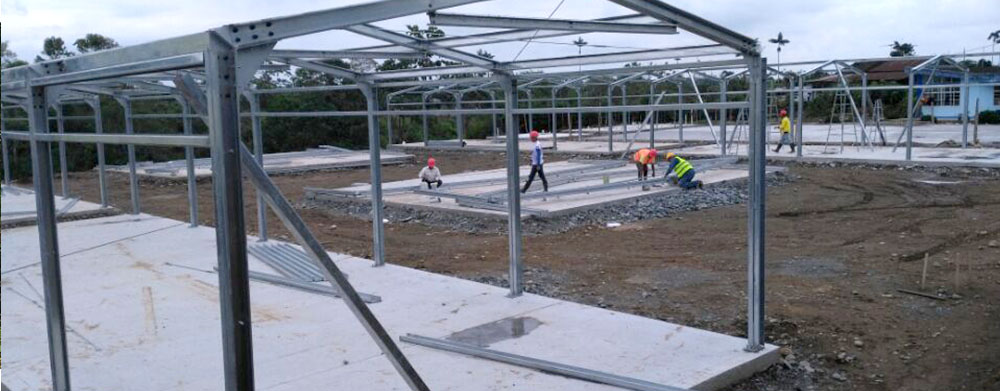
A light steel structure uses cold‑formed, galvanized steel sections as the main load‑bearing system instead of traditional heavy H‑beam steel, brick, or concrete. These profiles are factory‑engineered with tight tolerances and then assembled on site using bolts and screws rather than extensive welding.


Compared with conventional structures, light steel systems are significantly lighter—up to around 70% lighter than comparable timber frames—which reduces foundation requirements and transportation costs. At the same time, they are engineered to withstand strong winds, seismic activity, and long‑term use in harsh climates when designed and installed correctly.


Why China Leads in Light Steel Structure Manufacturing


China’s light steel structure factories combine mature industrial supply chains, mass production capacity, and extensive export experience. This makes them particularly attractive for B2B buyers in energy, infrastructure, logistics, and camp construction.


Chinese suppliers typically offer an integrated package that includes in‑house design, precision fabrication, containerized shipping, and overseas installation guidance or teams, reducing coordination costs for international clients. Over the last two decades, companies such as CDPH have delivered thousands of modular and light steel projects in more than 100 countries, building deep experience with different regulations, climates, and site conditions.


Core Advantages of Light Steel Structures for Industrial Projects


Light steel systems bring several concrete benefits for industrial and camp projects when compared with traditional construction methods.

  • Faster project delivery Cold‑formed components are manufactured in controlled factory environments and shipped ready for bolted assembly, cutting on‑site construction time by 30–50% for many projects.

  • Lower comprehensive cost The lighter self‑weight reduces foundation and transport costs, while mechanical mass production lowers per‑unit fabrication expense and labor demand.

  • High durability and corrosion resistance Galvanized steel frames provide excellent resistance to moisture and corrosion, especially important for coastal, tropical, and high‑humidity environments.

  • Design flexibility for large spans On the basis of the traditional portal frame, light steel structures can be optimized to create wide‑span workshops, warehouses, and dining halls without excessive steel usage.

  • Sustainability and lower on‑site impact Factory prefabrication reduces material waste, noise, and pollution at the project site, and steel is fully recyclable at the end of its life cycle.


For engineering camps, these factors translate to quicker mobilization, better living conditions for workers, and easier later relocation or reuse of buildings when needed.


Typical Products from China Light Steel Structure Factories


Leading Chinese factories do much more than supply bare steel frames; they provide complete building systems designed around light steel structures.


Common product lines include:

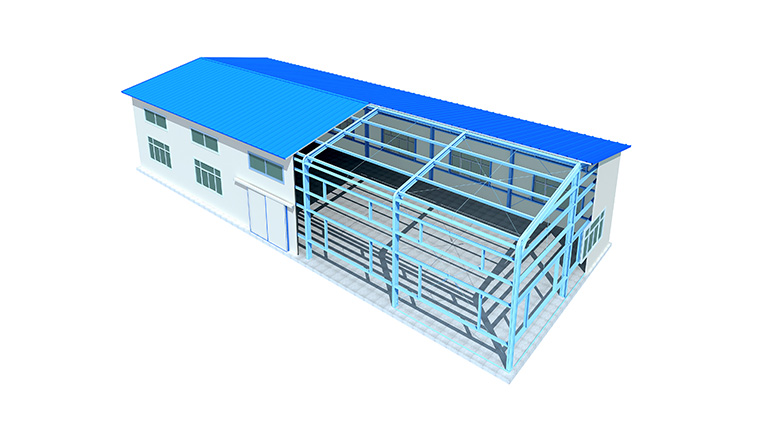
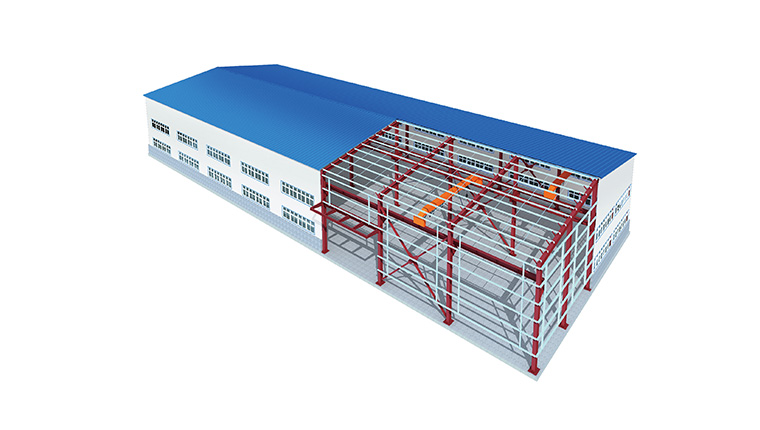
  • Light steel portal frame buildings – Workshops, storerooms, and canteens using cold‑formed, galvanized profiles with sheet or sandwich panels for roofs and walls.

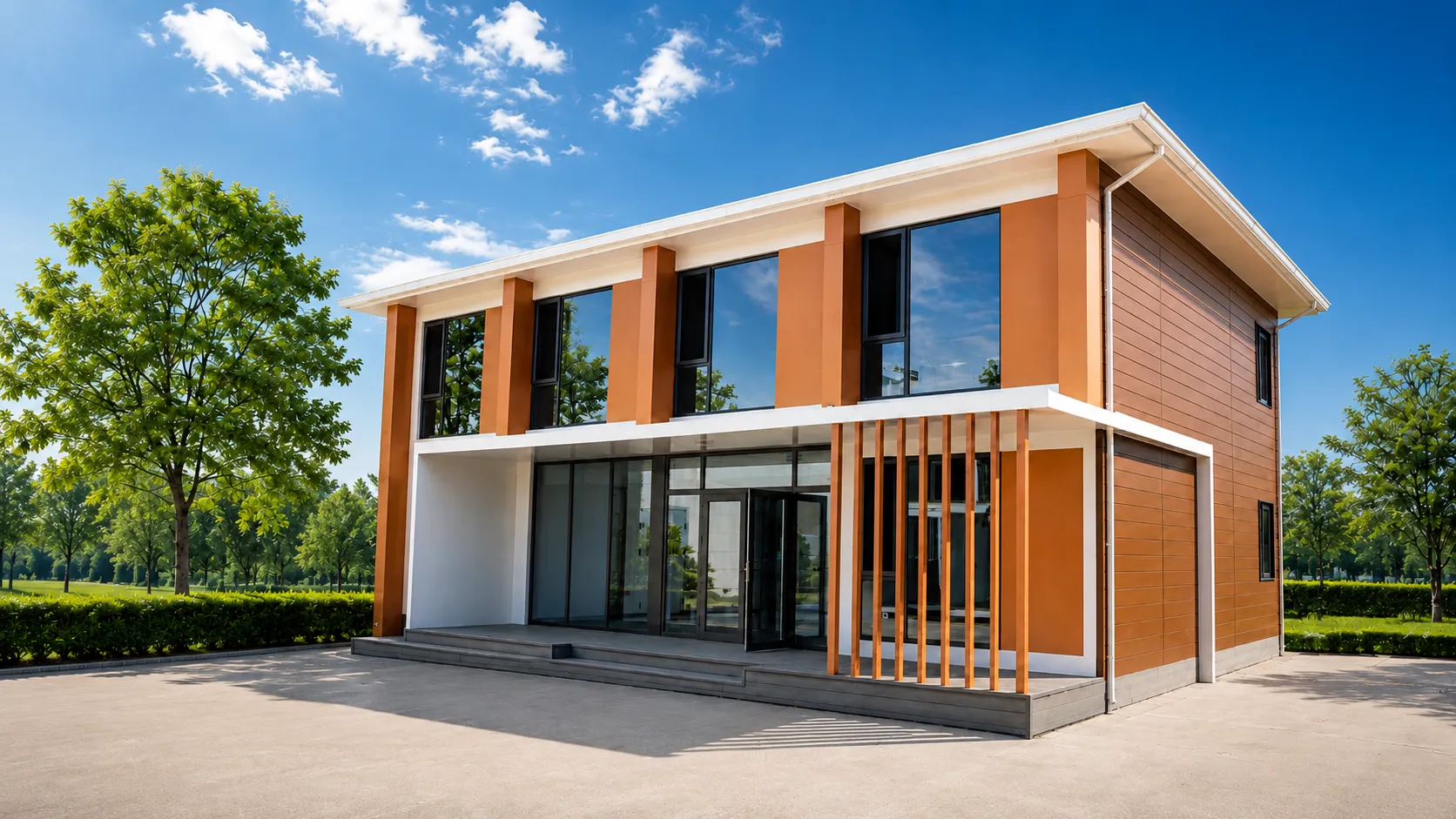
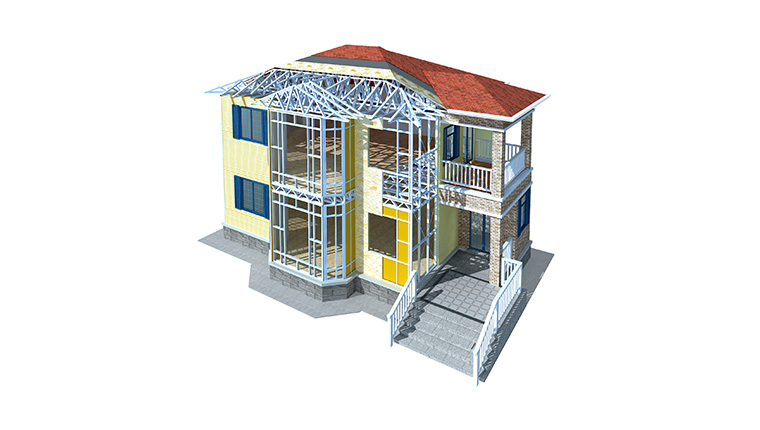
  • Light steel villas and semi‑permanent houses – High‑end camp accommodation and offices with a designed service life of 25+ years, used as semi‑permanent buildings in long‑term projects.

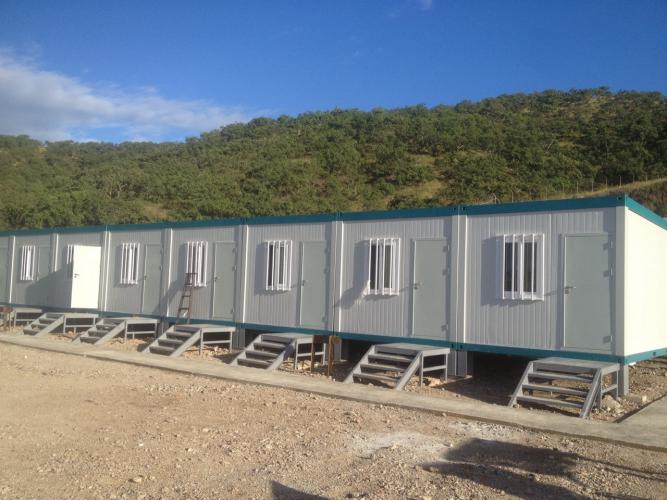
  • Prefab/light steel houses for camps – Integrated housing systems where thin‑walled galvanized steel is combined with insulated sandwich panels for dormitories, offices, and support buildings.

  • Light steel modules for tourism and commercial use – Modular units that blend container frames and light steel decoration, widely used in cultural tourism, schools, healthcare, and retail.


Because these systems are modular, factories can adjust layouts, spans, insulation levels, and finishes to match climate, function, and budget for each project.


How a China Light Steel Structure Factory Operates


China Light Steel Structure Factories


Understanding the workflow inside a light steel structure factory helps you judge the maturity and reliability of a potential supplier.


Engineering and design


Projects usually begin with basic data from the client: location, building type, spans, loads, and local codes. In‑house engineering teams then:

  • Select suitable light steel profiles and structural systems based on loads and spans.

  • Design connection details for all‑bolt assembly to minimize on‑site welding and speed erection.

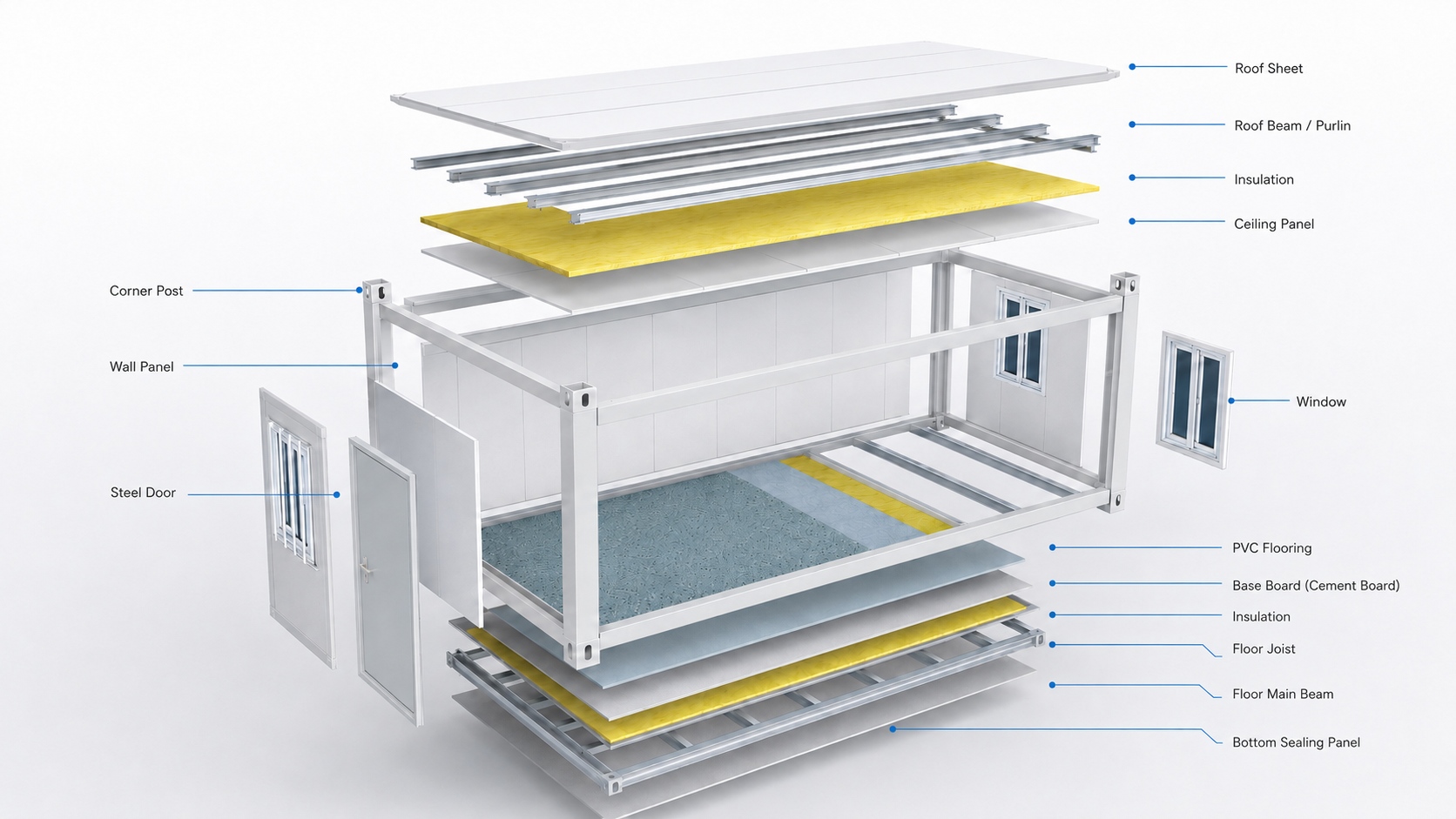
  • Configure envelope systems (roof and wall panels, insulation, windows, doors) to meet thermal and acoustic requirements.


For complex industrial or camp projects, this may also include master planning of the entire camp layout, including living, office, production, and recreation zones.


Prefabrication and quality control


In production, coils or strips of steel are cold‑formed into C‑, Z‑ or other profile sections, then galvanized or supplied using pre‑galvanized material depending on the design. Precision punching and cutting ensure that every component can be bolted together on site without rework.


Quality control focuses on:

  • Coating thickness and adhesion for corrosion protection.

  • Dimensional accuracy to ensure correct fit‑up and structural performance.

  • Panel core material density and thickness for fire safety and insulation (e.g., rock wool or glass wool sandwich panels).


Containerized packing and logistics


To minimize shipping cost, components are bundled and packed into standard containers, with disassembled structures nested efficiently to maximize volume utilization. Clear labeling and packing lists are crucial so erection teams can find the right parts quickly when containers arrive on site.


Overseas installation and commissioning


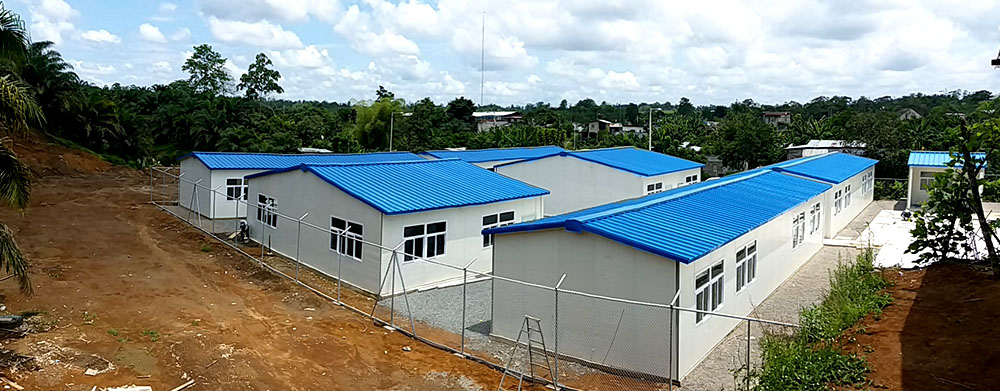
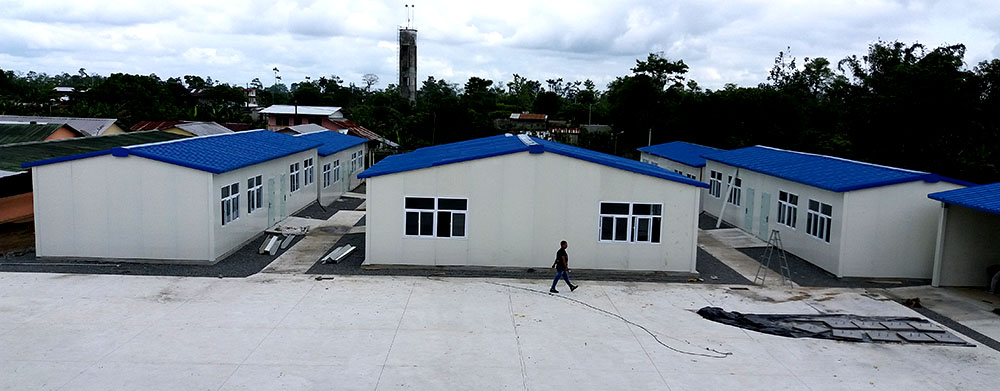
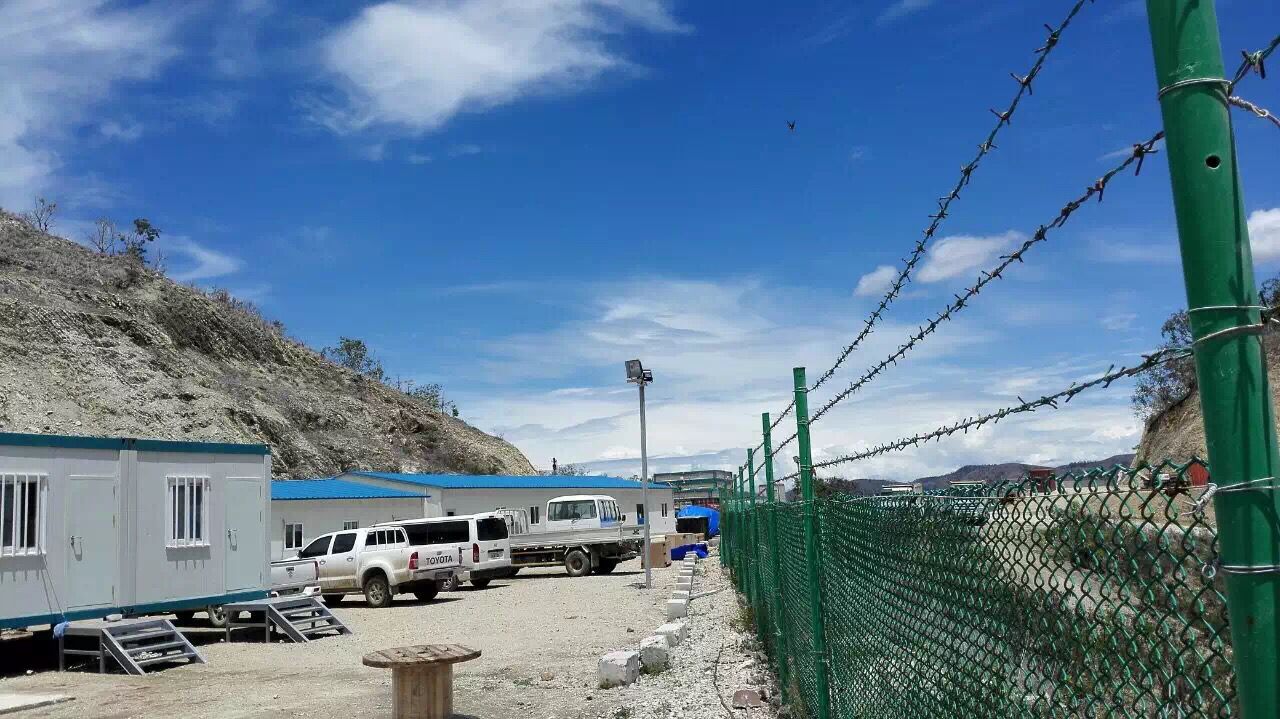
Many Chinese light steel structure factories provide technical guidance or send dedicated installation teams, especially for large overseas camps and industrial buildings. For example, in the Mozambique–Katembe Bridge camp project, CDPH organized phased shipments and mobilized multi‑skilled teams to complete light steel buildings and a large conference hall under an extremely tight schedule.


China Light Steel Structure Factories


CDPH: Example of a Leading China Light Steel Structure Factory


CDPH (Chengdong Modular House) illustrates how a mature Chinese factory positions itself in the international light steel structure market.


Founded in 1998, CDPH has grown into a global engineering camp specialist, delivering more than 1,000 modular and light‑steel projects across over 100 countries. The company integrates R&D, production, and overseas project execution, with a product portfolio that includes steel structures, prefab houses, light steel villas, and modular container buildings.


Key strengths of CDPH’s light steel solutions include:

  • Cold‑formed galvanized light steel structures optimized from traditional portal frames for workshops, storerooms, dining halls, and other production buildings.

  • Semi‑permanent light steel villas designed for 25+ years of service life, widely used for high‑end camp accommodation and owner’s offices in long‑duration projects.

  • Integrated prefab and modular camp systems that combine light steel structures with container and panelized units for full engineering camps.


You can see CDPH’s steel structure product details at:https://www.cdph.net/product-center/steel-structure. And its light steel villa solutions at:https://www.cdph.net/product-center/light-steel-villa


Real Project Example: Light Steel Structures in Mozambique


A practical way to evaluate any light steel structure factory is to look at its completed reference projects. CDPH’s light steel solution for the Mozambique–Katembe Bridge camp is a good example.


For this engineering camp, CDPH used a mature domestic light steel residential system with a designed lifespan exceeding 25 years, ensuring that buildings could function as long‑term office and accommodation facilities. The main building adopted a two‑story light steel structure with single‑story annexes in a U‑shaped layout inspired by Beijing’s traditional courtyard design, balancing privacy, collaboration, and international exchange.


Despite tight schedules, the company organized phased shipments to prioritize worker housing and mobilized multi‑disciplinary teams, completing a conference hall for 3,000 people in just 15 days—far less than typical timelines. This kind of performance showcases what a mature China light steel structure factory can achieve when design, manufacturing, and on‑site execution are tightly integrated.


How Light Steel Structures Compare to Other Prefab Systems


In the broader prefab and modular construction ecosystem, light steel structures sit alongside container houses, flat‑pack units, and traditional prefab panel houses.

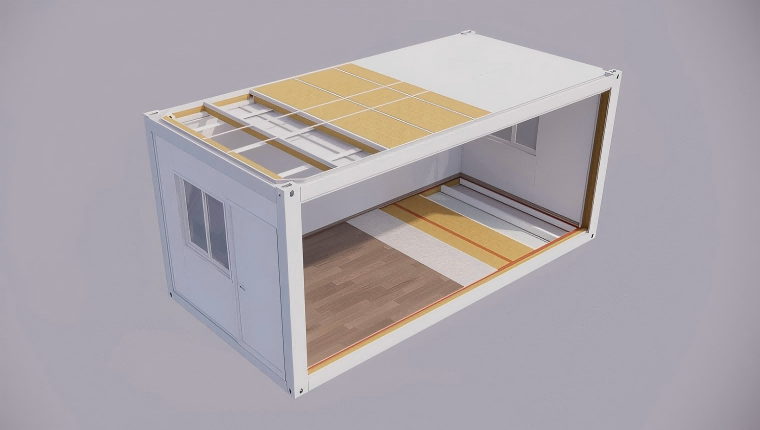
  • Versus container houses Container units are ideal for rapidly deployable, stackable modules (often up to three stories) for camps and temporary facilities, while light steel structures excel in large‑span buildings and semi‑permanent or permanent facilities such as warehouses and villas.

  • Versus basic prefab houses Standard prefab houses often use similar thin‑walled galvanized frames, but light steel villas and dedicated light steel structures typically target higher performance in appearance, comfort, lifespan, and architectural flexibility.

  • Versus traditional H‑beam steel Traditional H‑steel systems are strong but heavy, with longer processing cycles and higher long‑distance transport cost; light steel structures reduce steel tonnage and allow mechanized mass production while still covering medium‑to‑large spans.


Many modern factories, including CDPH, offer all these systems under one roof so that the optimal combination can be used across an entire project—for example, container units for worker dorms, light steel villas for management housing, and light steel portal frames for canteens and workshops.


Key Technical Features to Look For in a Factory


When you evaluate China light steel structure factories, focus not only on price, but on technical details that determine long‑term performance.


Important points include:

  • Galvanized structural system Check whether primary members are hot‑dip galvanized or use pre‑galvanized coils, as this largely determines corrosion resistance in coastal or humid regions.

  • Bolt‑connected assembly A well‑designed all‑bolt connection system speeds up installation, simplifies quality control, and allows easier future relocation or modification compared with extensive on‑site welding.

  • Panel and insulation configuration Ask about wall and roof panel core materials (rock wool, glass wool, EPS, etc.), thickness, and fire ratings to ensure compliance with your local codes and desired thermal performance.

  • Design loads and standards Confirm wind, snow, and seismic design parameters used by the factory, and whether they can adapt to your national standards or project‑specific requirements.

  • Service life class Clarify whether buildings are intended as temporary, semi‑permanent, or permanent solutions; for example, CDPH’s semi‑permanent light steel villas are designed for more than 25 years of use.


How to Choose the Right China Light Steel Structure Factory


With many manufacturers in the market, a structured selection process will help you identify a reliable long‑term partner.


Here are practical criteria:

  1. International project track record Prioritize factories with rich overseas references in engineering camps, industrial facilities, schools, or public buildings, ideally across multiple regions and climates.

  2. Integrated design and engineering capability A strong in‑house technical team can customize structural systems, spans, and layouts to your project rather than forcing you into rigid standard models.

  3. Clear product segmentation Look for well‑defined product lines—steel structure buildings, light steel villas, prefab houses, and modular houses—so you can combine the best system for each part of the project.

  4. Production capacity and lead time Ask about monthly output, typical delivery cycles, and how the factory manages peak demand; large “super factory” setups can support tight schedules on multi‑building projects.

  5. Quality, certifications, and processes Confirm quality systems (such as ISO), surface‑treatment processes, internal inspection steps, and sample reports for steel, coatings, and panels.

  6. On‑site service and support For complex projects, confirm whether the supplier can send supervisors or full installation teams, and what training or documentation they provide to local contractors.


CDPH’s approach—combining turnkey camp planning, modular and light steel product systems, and global project execution experience—shows the type of comprehensive capability you should look for in a strategic partner.


Using CDPH Resources to Plan Your Next Light Steel Project


If you are exploring China light steel structure factories for engineering camps, industrial parks, or large‑span facilities, CDPH’s official website provides several useful starting points:

By reviewing these resources and aligning them with your own project’s location, lifespan, and functional needs, you can quickly shortlist solutions and prepare a clear brief for factory consultation.

whatsapp.png
+86 18001125785
zongubimgfz3.svg
chengdong@cdph.com.cn

Scan the QR code to follow