
Blog
Release date:Jul 19, 2026
Share:
Prefabricated camps have become a core component of remote energy and mining projects, functioning as both living environments and operational bases far from urban infrastructure. These camps must support large, mobile workforces in locations with extreme climates, limited public utilities and tight construction schedules, which makes industrialized, modular solutions increasingly relevant. As project owners seek predictable delivery and long-term reliability, prefabricated camps are shifting from simple temporary shelters to engineered systems integrating buildings, utilities, safety and environmental management.

Remote energy and mining sites typically require a wide range of functions within the camp, including dormitories, offices, production support facilities, canteens, clinics, warehouses and security installations. A single project may need to accommodate hundreds or thousands of workers, with different functional zones for living, work, logistics and recreation, all connected by internal roads and circulation systems. Because these projects move through phases—from exploration and construction to operation and eventual closure—the camp layout and capacity must be scalable, reconfigurable and, in many cases, redeployable to new sites.
At the same time, major energy and mining investments are often managed under EPC contracts, which require camp solutions to be coordinated with engineering, procurement and construction workflows. A prefabricated camp that fits smoothly into EPC processes can reduce interface risk between civil works, building installation and MEP integration, improving schedule reliability and safety performance. Against this backdrop, prefabricated camps increasingly serve as standardized, yet customizable, platforms for remote project execution.
Modern prefabricated camps are no longer seen as groups of isolated buildings; they are designed as integrated systems combining several technical subsystems. Many project owners now look for a complete camp integrated solution that combines building structures, water and drainage, power, communications, fire protection, security, road networks, environmental landscaping and environmental protection facilities. Viewing the camp as a whole system, rather than a collection of individual units, helps designers optimize land use, utility routing and maintenance strategies.
This system approach also shortens design and construction cycles, because standardized interfaces between subsystems can be reused across projects. For remote energy and mining projects, prefabricated camps designed as integrated systems reduce on-site uncertainty: most building components and utility assemblies are engineered and tested in the factory, leaving only standardized connections to be completed in the field. As a result, prefabricated camps become a technical backbone for remote operations, supporting continuous production with predictable performance.

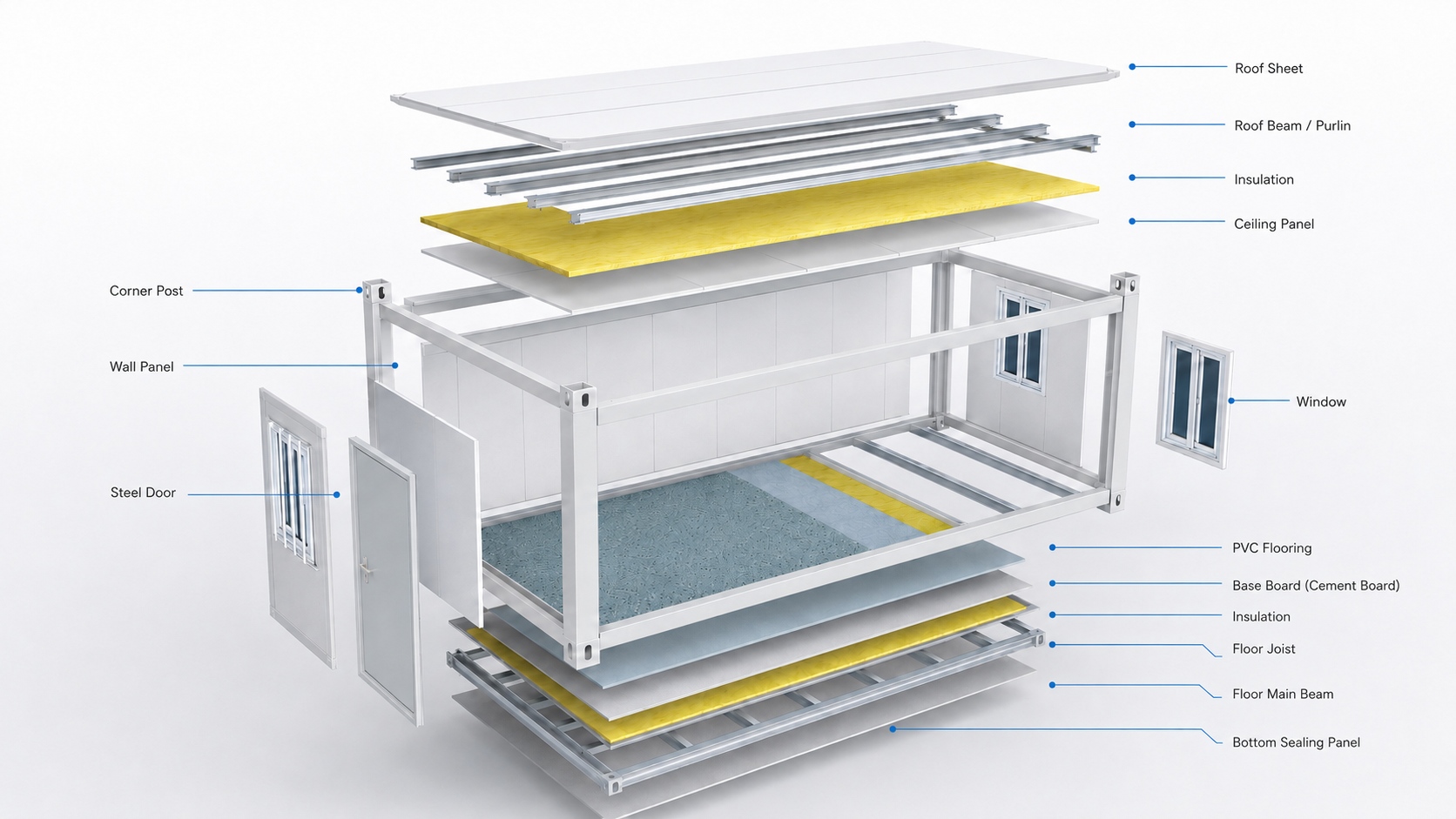
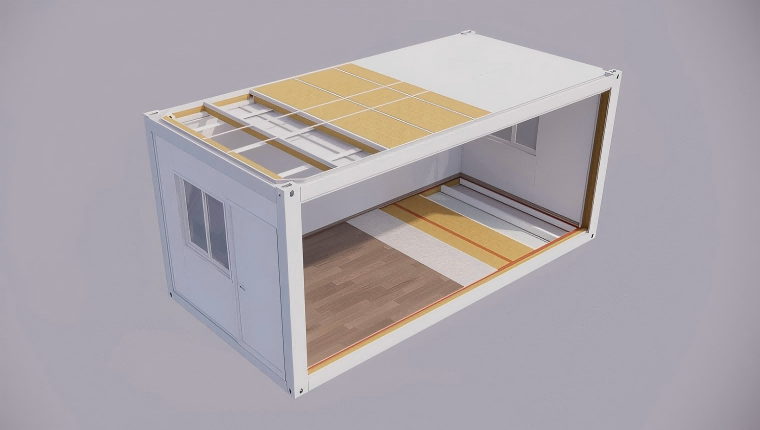
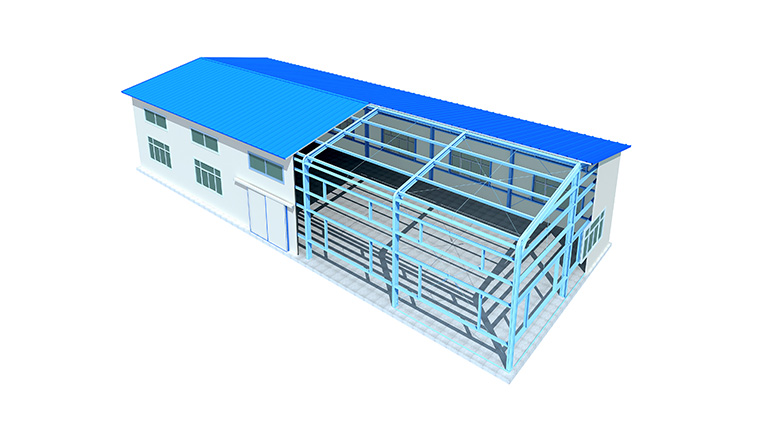
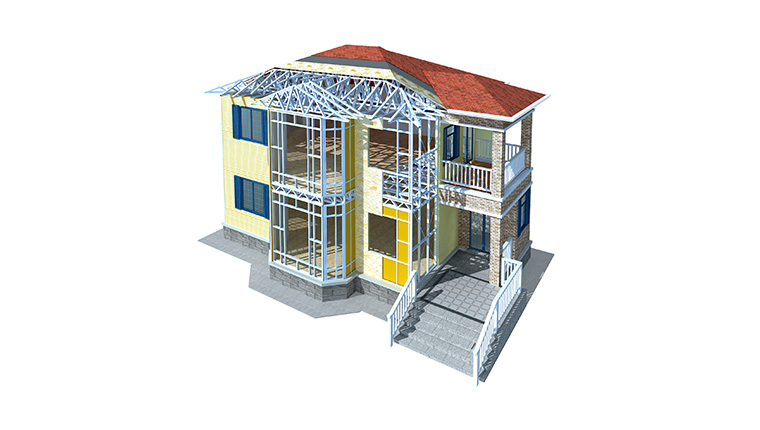
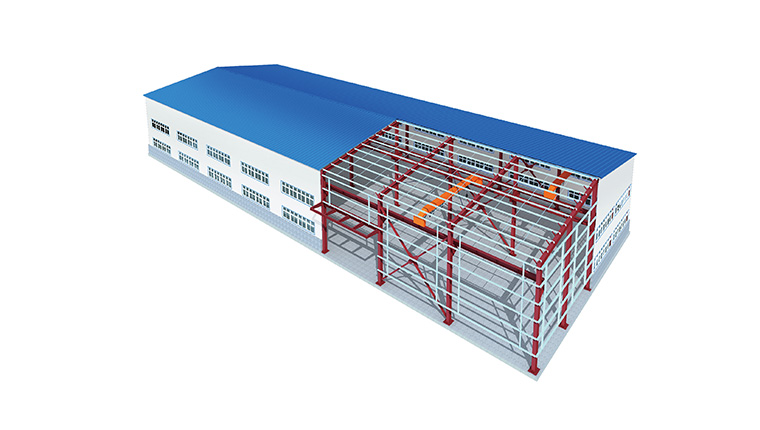
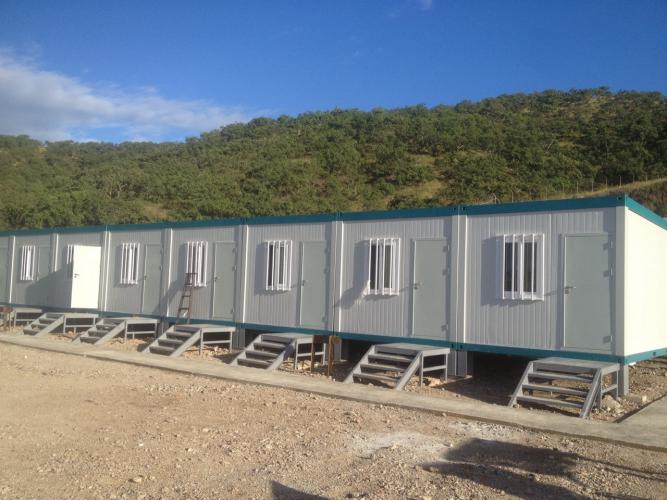
Several modular housing technologies are commonly used in remote prefabricated camps, including container houses, panelized modular houses and light-steel structures. Container houses use galvanized steel frames and insulated sandwich panels, offering high integration of floors, roofs and walls, with doors, windows and basic finishes installed in the factory. Panelized modular buildings rely on light-steel skeletons and large sandwich panels that allow larger spans and flexible interior layouts, suitable for open-plan offices, canteens or clinics.
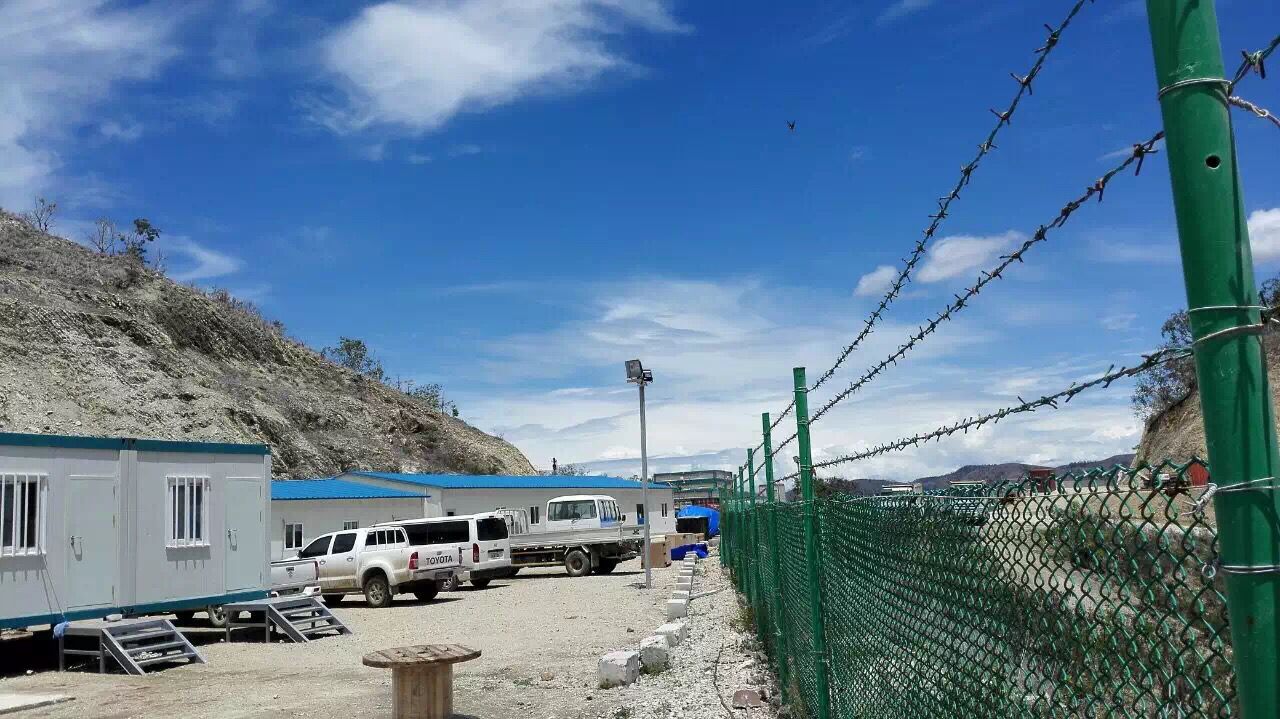
These modular units can be combined into multi-storey dormitory blocks, office complexes, dining halls and storage buildings, allowing camps to be configured according to project functions and workforce structure. Many operators choose container-based prefab camp houses to create accommodation zones that can be expanded or relocated in line with changing workforce needs. The modular nature of prefabricated camps also supports repeated relocation: after a phase is completed, many units can be dismantled and reused at another site, improving asset utilization and reducing construction waste.

Remote energy and mining projects are often located in climate-sensitive regions such as arctic areas, high plateaus, deserts or coastal zones with extreme humidity. To operate reliably under such conditions, prefabricated camps must be adapted to local thermal, wind and precipitation characteristics through envelope design and structural detailing. Cold-resistant container houses, for example, use thick insulation layers, optimized thermal transmittance values and enhanced sealing to maintain indoor comfort at temperatures down to around −50°C in arctic and sub-arctic mining camps.
In desert regions, prefabricated camps require high solar-reflective roof systems, shading devices and ventilation strategies to control cooling loads. High-altitude or plateau projects may focus on balancing solar gains and insulation to deal with large diurnal temperature differences, while also considering reduced air pressure in HVAC design. By combining climate-specific enclosure designs with modular construction, prefabricated camps enable remote projects to maintain stable working and living conditions across diverse environmental contexts.

Logistics is a critical aspect of building prefabricated camps for remote energy and mining projects, because sites are often far from ports, highways or major supply hubs. Modular units and prefabricated components are manufactured in factories and then shipped by sea, rail or road to staging areas near the project, before final transport to the camp location. The ability to flat-pack container houses and panel components allows more efficient use of shipping space, reducing transport cost per functional area.
On-site, construction management focuses on foundation preparation, module erection, utility connections and commissioning, usually under conditions of limited local manpower and infrastructure. Standardized connection systems, repeatable installation procedures and factory-integrated MEP components help shorten the time needed to assemble buildings and connect them to the nine supporting systems. For large mining or energy camps, coordinating logistics with local partners—transport companies, subcontractors and service providers—adds resilience to the schedule and reduces risk during peak construction periods.
Once a prefabricated camp enters the operational phase, its performance is measured not only by structural durability and utility reliability, but also by its impact on workforce wellbeing and safety. Accommodation buildings must provide adequate thermal comfort, acoustic performance, daylight and privacy, while public facilities such as canteens, recreation rooms and medical clinics support physical and mental health. For remote mining and energy projects, improving living conditions in prefabricated camps can contribute to better productivity, lower turnover and more stable project execution.
Safety systems are integrated into camp design through fire-protection measures, emergency lighting, evacuation routes and intelligent security solutions such as CCTV and access control. Environmental systems—including wastewater treatment, solid waste management and ecological lighting—help align camp operations with regulatory and corporate sustainability requirements. In this way, prefabricated camps support continuous remote operations by combining engineered safety and environmental performance with human-centered design.
An important trend in the prefabricated camps sector is the shift from product-based supply to EPC-driven integrated camp solutions. Instead of purchasing individual container houses or modular units, project owners increasingly seek partners who can deliver complete camp packages, including planning, design, manufacturing, logistics, on-site installation and sometimes operation support. This approach centralizes responsibility, making it easier to manage technical interfaces and contractual obligations for complex energy and mining projects.
Engineering teams frequently evaluate global engineering camp solutions when planning portfolios of energy and mining projects across multiple countries, aligning camp capacity with project timelines and workforce structures. Working with camp providers that have global project experience and strong engineering capabilities helps mitigate risks related to climate adaptation, regulatory compliance and cultural fit. As modular technologies mature, prefabricated camps are becoming strategic assets within remote project portfolios rather than temporary afterthoughts.
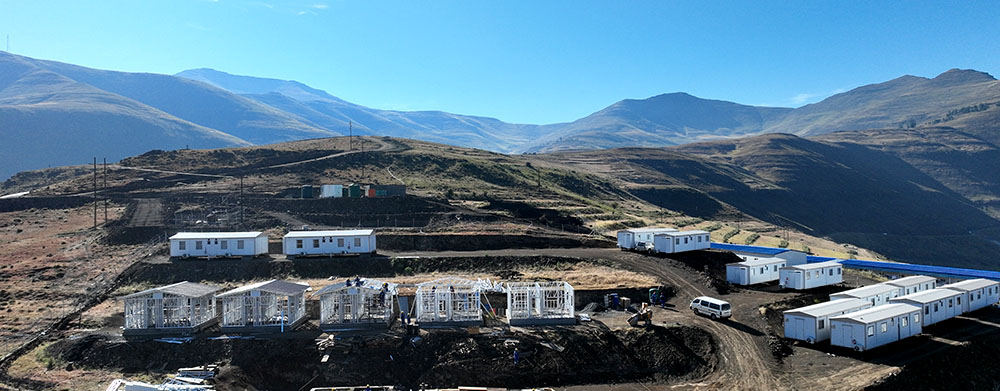
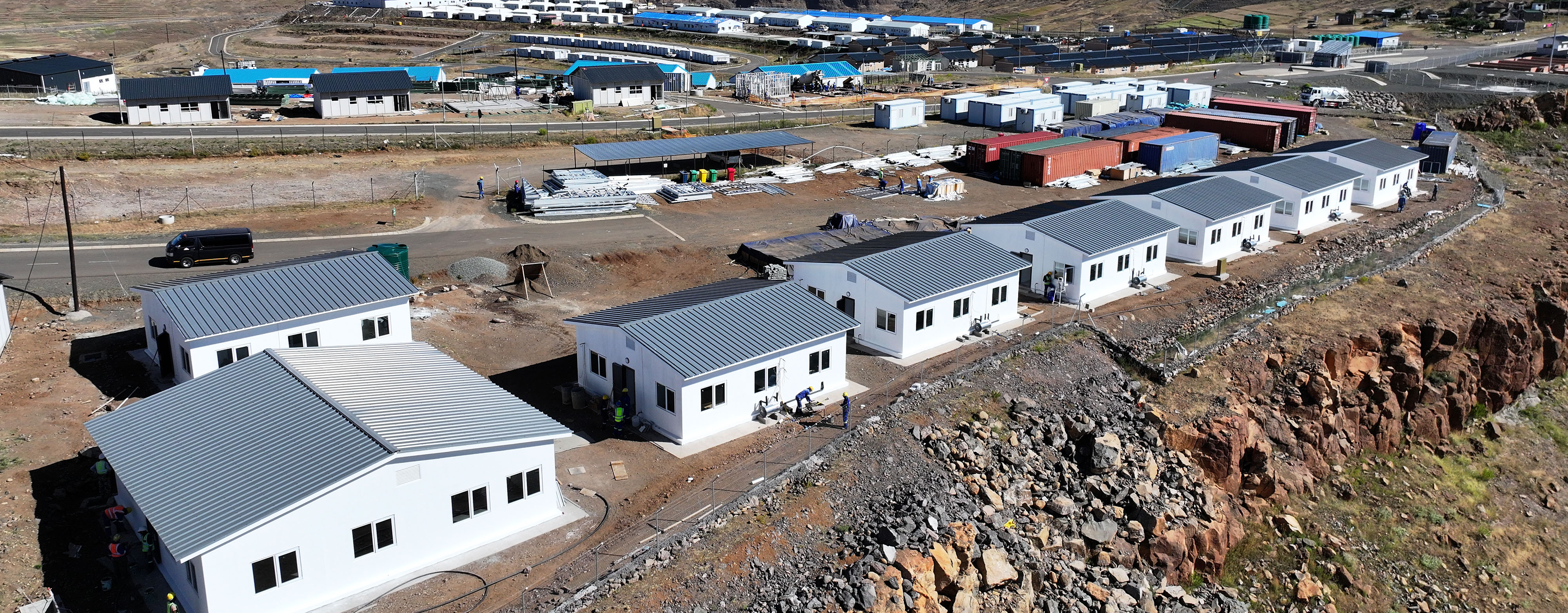
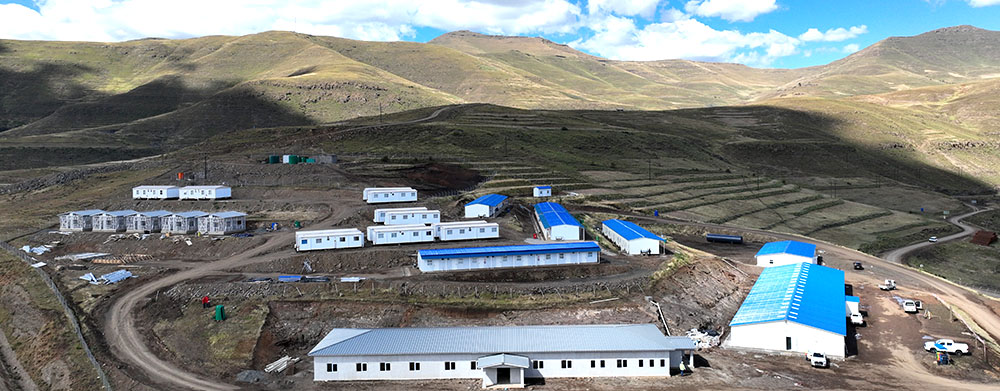
Different remote project types use prefabricated camps in distinct ways, depending on geography, workforce structure and operational intensity. Mining camps often resemble small towns, with clusters of dormitories, offices, workshops and logistics areas organized around central roads, while oil and gas pipeline projects deploy linear camps that move along the route. Hydropower and large infrastructure projects may prioritize terraced layouts along slopes or riverbanks, balancing stability, access and flood risk.
In all these scenarios, prefabricated camps use modular units and integrated systems to adapt to land constraints and environmental conditions. For example, container house dormitories can be stacked to form multi-storey accommodation blocks on limited land, while panelized canteens and offices create open interior spaces for large teams. By tailoring combinations of modules and support systems, engineers can configure prefabricated camps that match project-specific functional requirements without departing from standardized industrial production.
Prefabricated camps are typically integrated into EPC workflows during early planning, when capacity, functional requirements and site constraints are defined. Camp providers then develop layout concepts and technical specifications that align with civil works, utilities and schedule milestones, allowing factories to produce modules while foundations and infrastructure are prepared on site.
Owners should provide information on projected workforce numbers by phase, required functions, site topography, climate data, local regulatory requirements and existing infrastructure connections. These inputs enable engineers to design prefabricated camps with appropriate building types, utility capacities and safety systems, reducing design changes later in the project.
Climate conditions determine insulation levels, envelope materials, window and door specifications, HVAC strategies and structural load assumptions. Cold-region camps may use cold-resistant container houses with low thermal transmittance and reinforced roofs, while desert camps prioritize shading, reflective surfaces and ventilation.
Common mistakes include underestimating utility capacities, overlooking local regulatory requirements, treating camps as isolated buildings rather than integrated systems and neglecting life-cycle planning for reuse. Addressing these aspects early in procurement improves technical performance and cost predictability over the project lifespan.
For remote energy and mining projects, prefabricated camps are part of the core engineering strategy rather than an add-on to construction planning. When owners and EPC teams define camp objectives in terms of safety, comfort, lifecycle reuse and environmental performance, it becomes easier to select suitable modular technologies and integrated systems.
A practical next step is to review representative modular prefab labour camp configurations and completed reference projects, then map these patterns onto the specific climate and workforce profile of each site. Studying proven modular housing and camp projects helps project teams understand how design decisions, logistics strategies and system integration affect real-world outcomes over multi-year operation cycles.
Scan the QR code to follow