
Blog
Release date:Jul 19, 2026
Share:
Prefab steel structure engineering has become a core solution for large engineering camps that must house hundreds or thousands of workers quickly and safely. Compared with traditional concrete buildings, steel structure and modular systems are lighter, faster to assemble, and easier to adapt to complex terrain and remote sites. For mining, hydropower, oil and gas, and infrastructure projects, this combination of speed, durability, and flexibility is now essential rather than optional.
In global projects, EPC camp contractors must balance demanding timelines with strict safety, ESG, and cost targets. Prefabricated steel structures—rigid frames, H‑shaped steel, trusses, and modular boxes—enable standardized design and industrialized production, helping EPC teams deliver repeatable quality across different regions. When these structures are integrated with container houses, prefab houses, and light steel villas, developers can build complete accommodation, office, and support facilities that operate reliably for 10–20 years.
Large engineering projects often sit in harsh climate zones: deserts and Gobi regions, high plateaus, cold northern areas, and tropical rainforests with intense rainfall. In these environments, camp housing faces four typical challenges:
Large temperature difference between day and night, creating thermal stress in building envelopes.
High winds, sandstorms, or blizzards that demand robust structural resistance and envelope integrity.
Difficult logistics and long transport routes, which require compact, modular materials and a reliable supply chain.
Strict safety and comfort requirements for international workforces staying several years on site.
When camps fail to handle these conditions, clients can face issues such as rapid deterioration of buildings, high energy costs, and low worker satisfaction, all of which negatively impact productivity and ESG performance. Prefab steel structure engineering is designed to prevent these failures through controlled factory production, calculated load paths, and climate‑specific envelope design.
Xinjiang in western China is a typical example of a region where climate and geography put worker housing to the test. It combines continental climate characteristics: cold winters, hot summers, strong winds, and large daily temperature swings. Engineering projects such as hydropower dams and water conservancy facilities are often built in deep valleys or canyons, far from urban centers and public infrastructure.
For the Dashixia Water Conservancy (Dashixia Dam) Project in Xinjiang, the management and construction teams needed a durable camp that could operate safely for a decade under high wind speeds. Flood‑control, irrigation, and power generation activities also require continuous operation, which means that offices and living quarters must remain comfortable in harsh weather so that technical personnel can focus on their tasks.

Across energy, mining, and infrastructure sectors, modular worker housing has become the preferred solution for large EPC camp developments. A typical engineering camp includes:
Worker dormitories and apartments based on container houses or steel structure buildings.
Management offices, control rooms, and meeting spaces, often built with light steel villas or steel structure office blocks.
Canteens, recreation areas, clinics, and warehouse space designed with modular steel or mixed systems.
Prefab steel structure engineering creates the skeleton of these buildings, while modular wall and roof panels, insulation systems, and interior fit‑out elements deliver comfort and energy efficiency. Because modules are standardized, EPC camp contractors can configure different building types from the same component families, shortening design cycles and simplifying procurement.
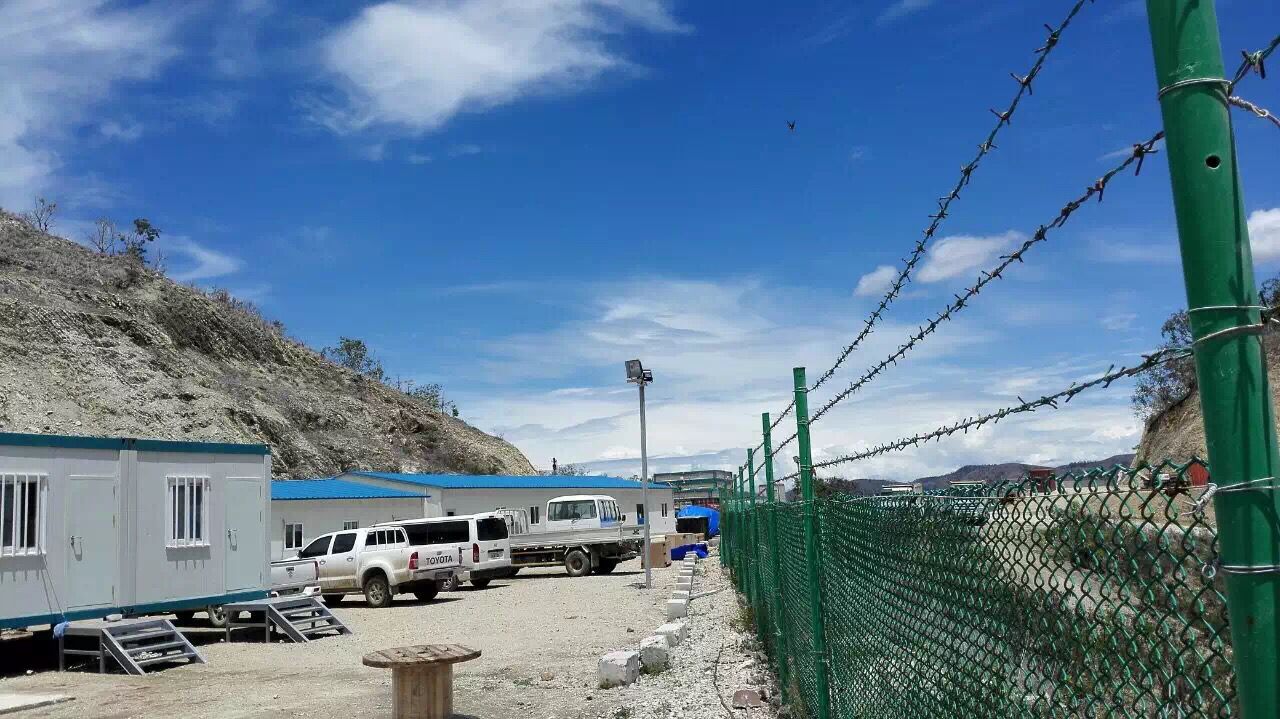
The Xinjiang Dashixia Dam Project Department Living and Office Camp is a representative example of how prefab steel structures and modular housing work together in a harsh climate. Chengdong (CDPH) delivered a planned camp area of about 33,500 m² with a building area of 11,000 m², using modular living units and office facilities tailored to the canyon environment.
The camp combines modular housing products such as ZA/ZM rooms, light steel villas, and H‑shaped steel structures to create integrated accommodation and office zones. It is designed for a 10‑year service life, supporting long‑term operation of the water conservancy project. This case shows how a single EPC camp project can leverage prefab steel structure engineering to achieve both structural safety and interior comfort in an area with high winds and large temperature differences.
You can learn more about this case directly on the official project page: Xinjiang Dashixia Dam Project Camp – Chengdong Light Steel and Modular Housing Solutions (https://www.cdph.net/case-center/xinjiang-dashixia-water-conservancy-project-camp).
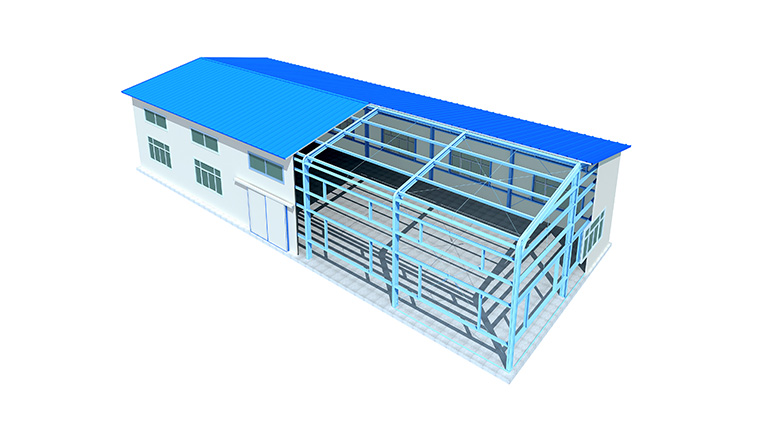
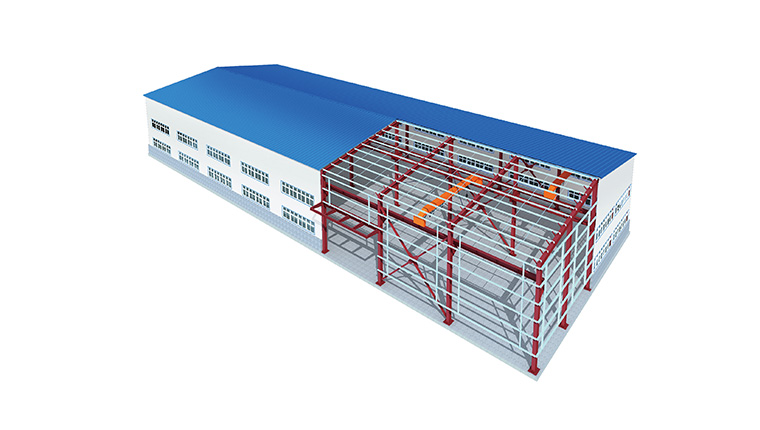
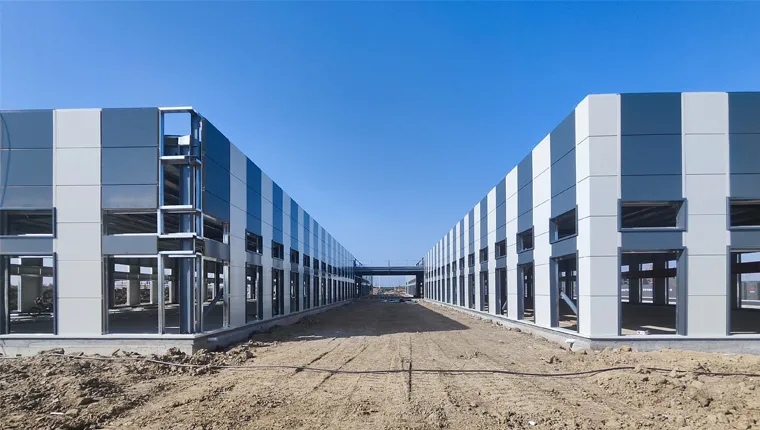
Steel structure buildings form the backbone of many engineering camp complexes, especially where large spans or multiple stories are required. Rigid frames and H‑shaped steel are commonly used for dormitory blocks, canteens, and warehouses because they provide excellent strength‑to‑weight ratios and can resist wind and seismic loads effectively.
These buildings use prefabricated columns, beams, and bracing elements produced in specialized factories, then transported to site for rapid erection. When combined with modular sandwich panels and insulation, they deliver stable interior environments even in desert, plateau, or high‑humidity climates. For clients seeking more details on steel structure offerings, CDPH’s product overview page provides a comprehensive portfolio of container houses, prefab houses, and steel structure solutions: Container, Prefab House & Steel Structure For Sale (https://www.cdph.net/product-center).
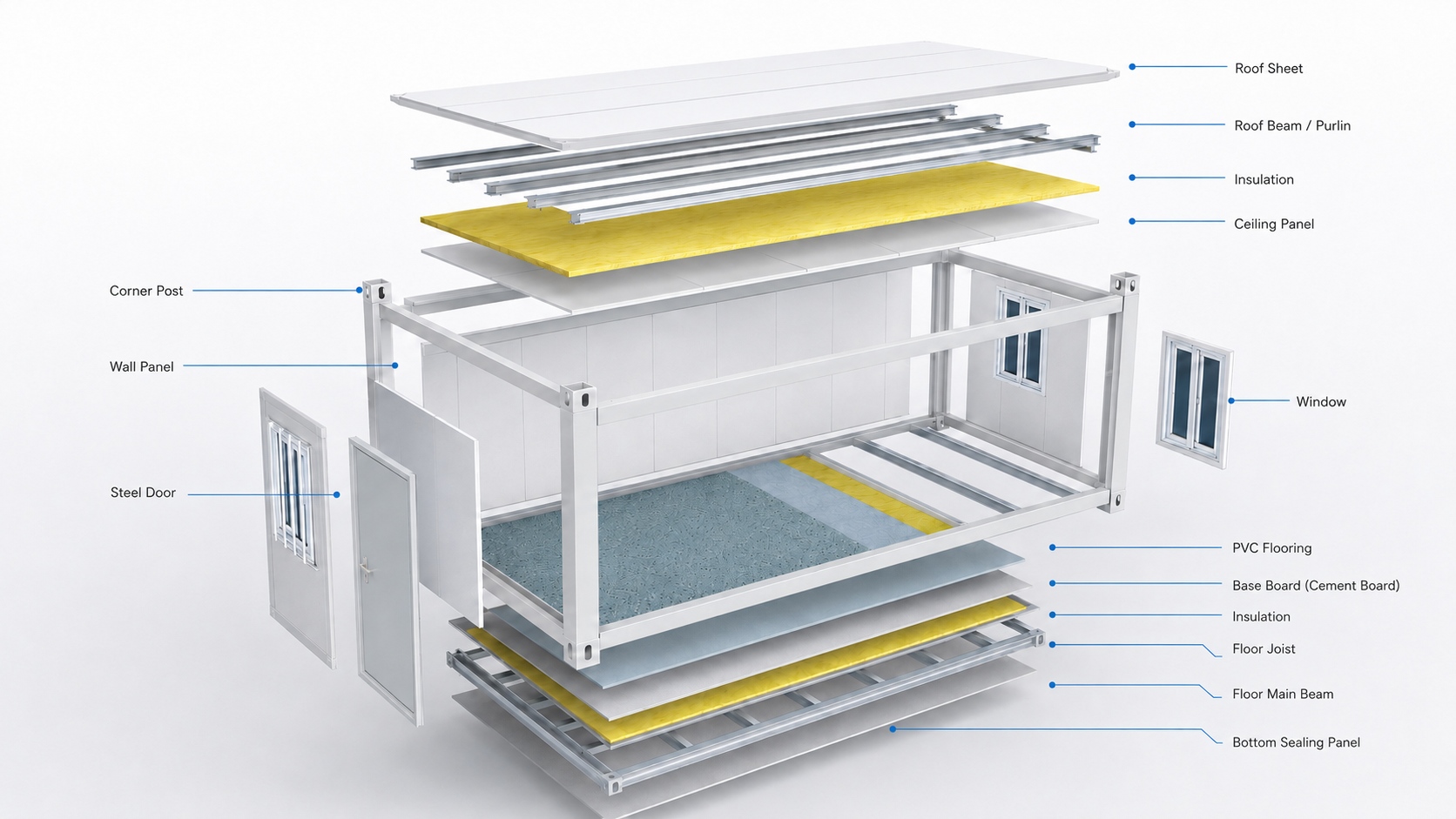
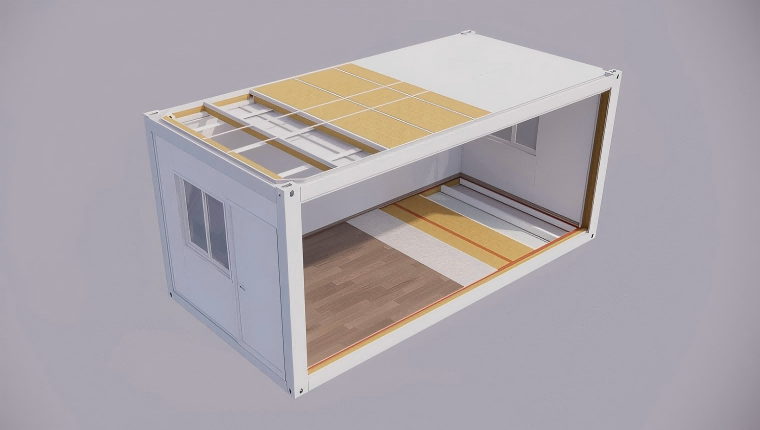
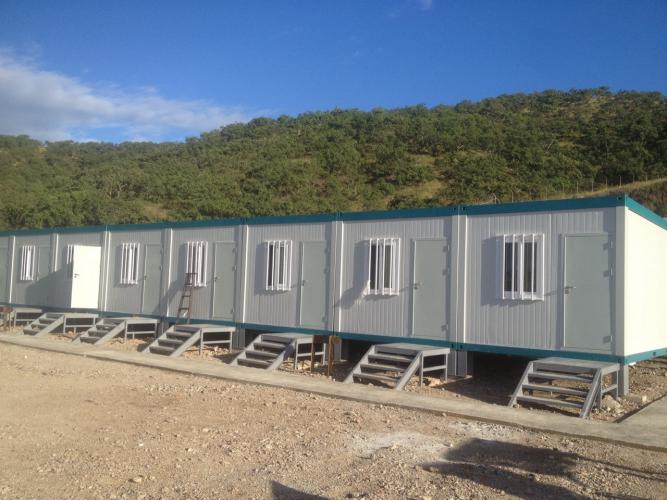
For worker dormitories and smaller office units, container houses are widely adopted thanks to their standardized steel frame and box‑type design. These units allow whole‑module lifting and repeated relocation, which is especially valuable in multi‑phase projects and temporary mining or construction sites. The steel frame system uses columns, beams, and corner fittings engineered to carry stacking loads and lateral forces, while wall and roof panels provide insulation suited to climate requirements.
Modular dormitory buildings for EPC camps often stack container units to create multi‑story accommodation, with corridors, staircases, and balconies integrated into the overall steel structure. CDPH focuses on container houses, prefab houses, and light steel villas as core products for worker housing in modern camps, offering flexible layout options for single, double, and group rooms. To explore container house solutions for camp accommodation, you can visit the dedicated product page: High‑Quality Container Houses & Modular Houses (https://www.cdph.net/product-center/container-house).
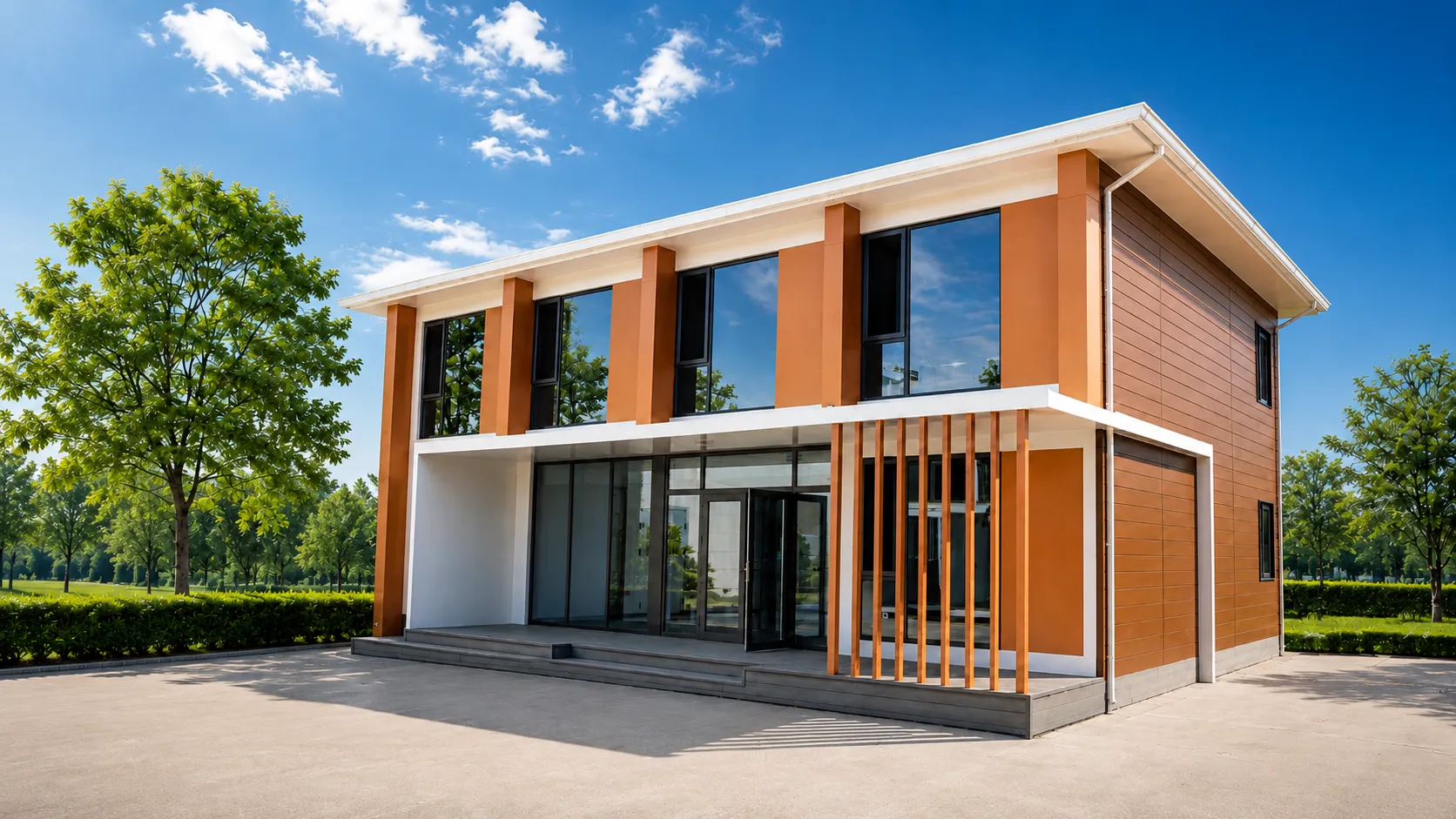
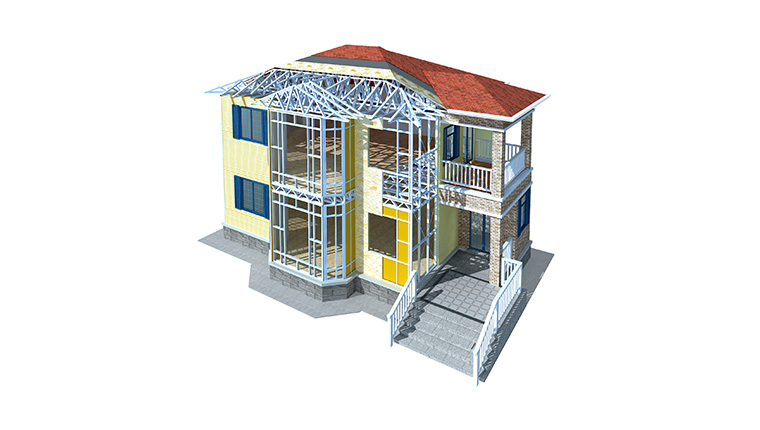
In many projects, management personnel and long‑stay engineers require higher comfort levels and semi‑permanent housing. Light steel villas meet this need by combining a steel frame with residential‑style layouts, improved facade options, and enhanced thermal and acoustic performance. These villas are suitable for EPC camps where the project duration extends beyond 5–10 years and where the client wishes to create more residential environments.
CDPH provides customizable light steel villa solutions that integrate insulation, interior finishes, and mechanical systems into prefabricated structures, enabling rapid assembly on prepared foundations. Thanks to modular design, villas can be configured as single‑family units, duplexes, or townhouse‑style rows within the camp, linked to centralized infrastructure such as power, water, and sewage systems. More information on light steel villa options can be found here: High‑End Customizable Light Steel Villa For Sale (https://www.cdph.net/product-center/light-steel-villa).
In prefab steel structure engineering for camps, EPC contractors typically handle engineering, procurement, and construction under a single turnkey agreement. Their responsibilities include:
Concept and feasibility design of camp layouts, building types, and infrastructure connections.
Structural engineering and product configuration, selecting appropriate steel structures, container houses, and villas.
Procurement of modular building components, auxiliary materials, and local services such as foundations and utilities.
On‑site assembly, quality control, commissioning, and final handover to the client within agreed timelines.
Advanced EPC camp contractors also provide lifecycle support, offering maintenance guidance, expansion plans, and retrofit solutions to extend building service life and reduce long‑term operating costs. This integrated approach ensures that camps remain safe, comfortable, and cost‑effective during multi‑year project operation.
CDPH (Chengdong Modular House) is a privately‑owned leader in integrated housing that specializes in prefab houses, container houses, light steel villas, and steel structures for global engineering camps. Its ability to deliver large EPC camp projects rests on strong manufacturing capacity in China and comprehensive engineering services.
The company operates three core domestic factories:
CDPH Integrated Housing Hebei Co., Ltd., located in the Tianjin–Tangshan region, focusing on container houses and integrated housing products.
CDPH (Xinjiang) Modular Housing Manufacturing Co., Ltd. in Urumqi, supporting projects in western China and nearby countries with modular housing and steel structures.
CDPH (Sichuan) Prefabricated Construction Technology Co., Ltd. in Suining, serving southwestern projects and offering prefabricated construction technologies.
These three plants provide automated production lines for modular units and steel components, supported by quality testing systems that meet international standards. The geographic spread of the factories helps optimize logistics from China to different global regions, reducing lead times and freight costs for overseas clients. Combined with CDPH’s project management experience in more than 4,000 projects across about 100 countries, this manufacturing base underpins reliable EPC camp delivery.
Climate‑responsive prefab steel structure engineering starts with structural safety. In regions such as Xinjiang, where high winds and potential seismic activity exist, steel structures and modular frames are designed to resist lateral forces and maintain stability. Rigid frames, bracing systems, and connection details are engineered to handle wind loads according to project standards.
Envelope design is equally important. For cold regions, insulated wall and roof panels with appropriate thermal transmittance help maintain interior temperatures and reduce heating load. In desert and tropical climates, reflective roof finishes, shading devices, and high‑efficiency insulation counter solar gain and keep indoor spaces cool. Proper detailing at joints, doors, and windows prevents air leakage and moisture ingress, which can otherwise lead to energy loss and deterioration.
Prefab steel structure engineering also addresses logistical challenges. By standardizing components and modular units, EPC camp contractors can ship compact packages in containers and assemble them quickly using local labor teams guided by experienced supervisors. Factory prefabrication shortens on‑site work and reduces weather‑related delays, which is essential in remote regions where construction windows are limited by climate and access conditions.
For example, in the Dashixia Dam Project, modular buildings were delivered and assembled in a canyon environment where terrain complexity and local climate demanded careful planning. By relying on prefabricated steel structures and modular housing, the project team could build a 33,500 m² camp with offices and living quarters within the required schedule, supporting the dam’s early construction milestones.
For project owners, prefabricated steel structure engineering offers reduced technical and schedule risk. Factory production minimizes variability in material quality and workmanship, while standardized designs allow performance to be tested and validated before large‑scale deployment. This predictability is crucial when camps must operate for a decade or more, as in the Dashixia water conservancy project.
Furthermore, EPC camp contractors with strong manufacturing bases can provide clear commitments on delivery times, structural capacity, and service life. By choosing a partner that combines three domestic factories with global project references, owners gain confidence that their camp investment will support core business operations—from mining and hydropower to oil and gas fields—without unexpected failures.
Prefab steel structure engineering also contributes to worker comfort and ESG objectives. Well‑insulated buildings, optimized ventilation, and appropriate interior layouts improve living conditions, reducing fatigue and turnover among staff. Recyclable steel, reduced construction waste, and efficient energy performance help lower lifecycle carbon footprints and align with environmental targets.
In projects like Dashixia, where water conservancy and energy goals are closely linked to regional ecological improvement, building camps that respect climate and environmental constraints is part of responsible project delivery. Owners who invest in robust prefab steel structure engineering not only protect their workforce but also demonstrate long‑term commitment to sustainable development in sensitive areas.
Scan the QR code to follow