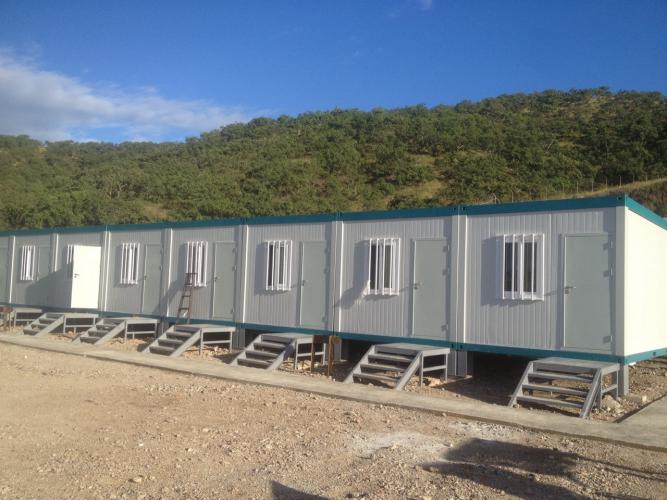
Custom modular house builders are transforming the residential and commercial construction landscape by offering personalized, factory-built solutions that combine speed, quality, and sustainability. Unlike traditional construction methods that require months of on-site work, custom modular construction delivers fully customized homes built in controlled factory environments and assembled rapidly on-site, reducing construction timelines by 30-50% while maintaining superior quality standards.
Understanding Custom Modular Construction
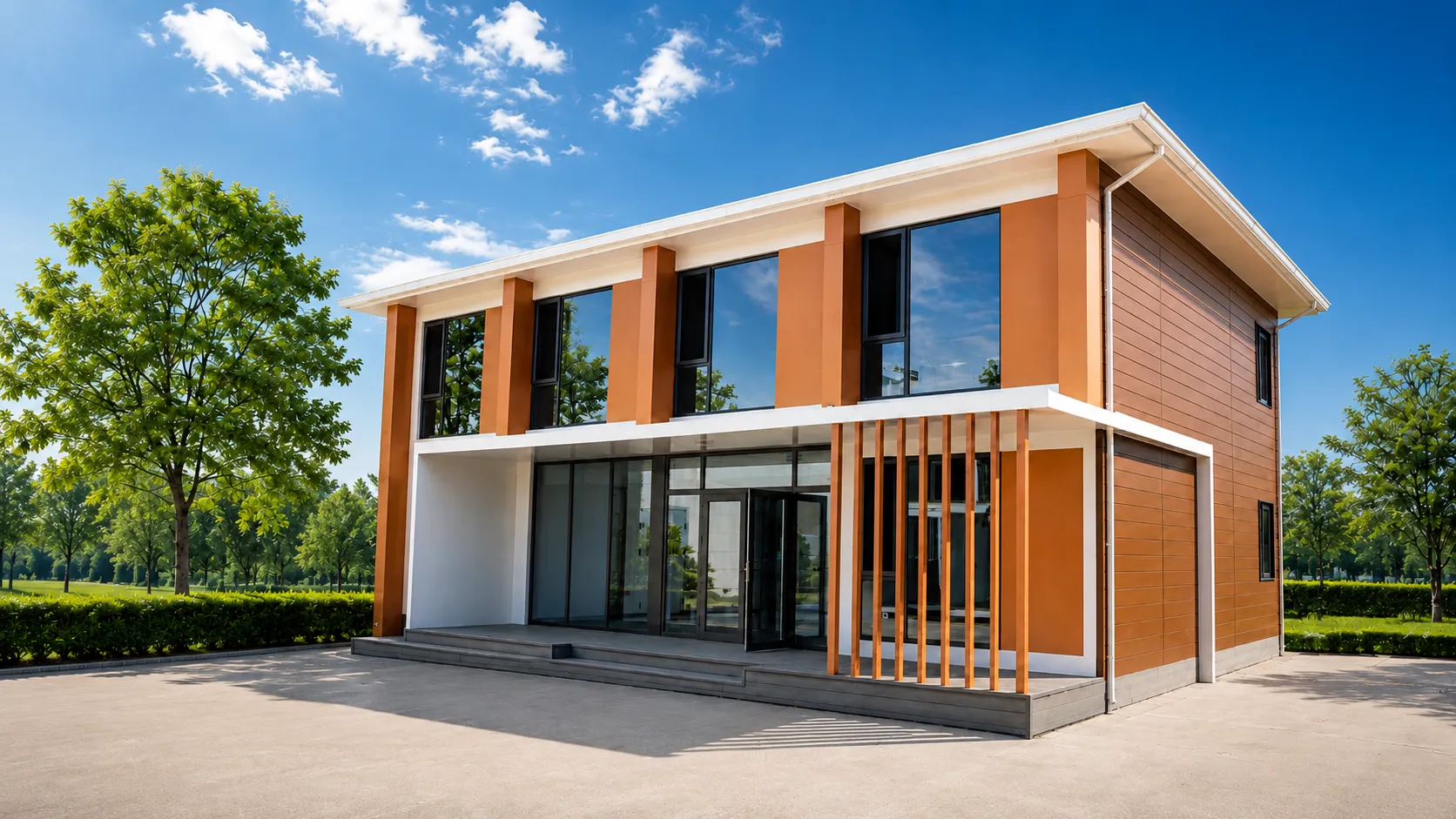
Custom modular house builders specialize in creating personalized buildings using prefabricated modules manufactured in factory settings. This construction methodology differs fundamentally from both traditional site-built homes and standardized prefabricated units. The process begins with detailed design consultations where clients specify their exact requirements—from floor plans and room configurations to interior finishes and architectural styles.
The Manufacturing Process
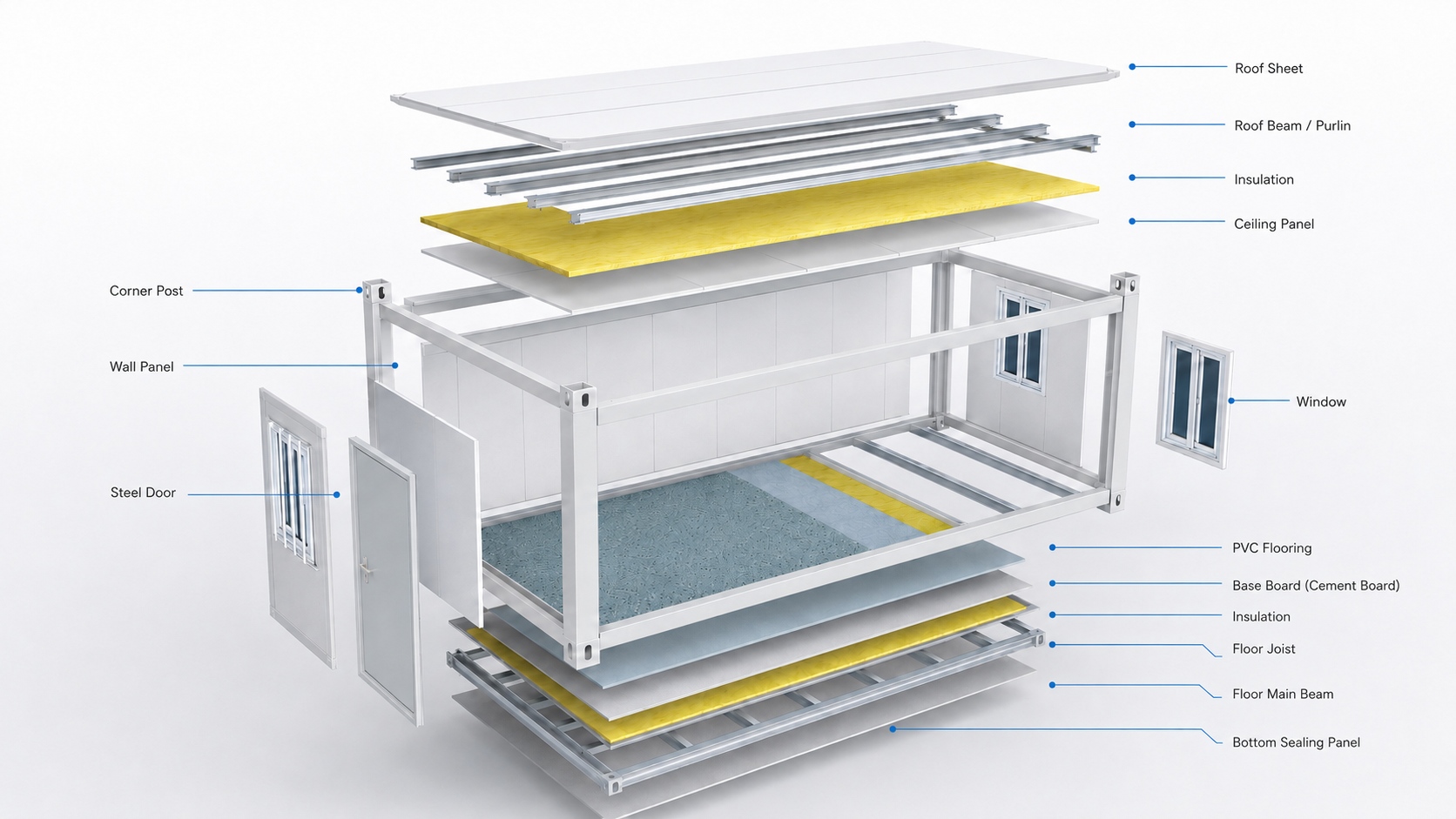
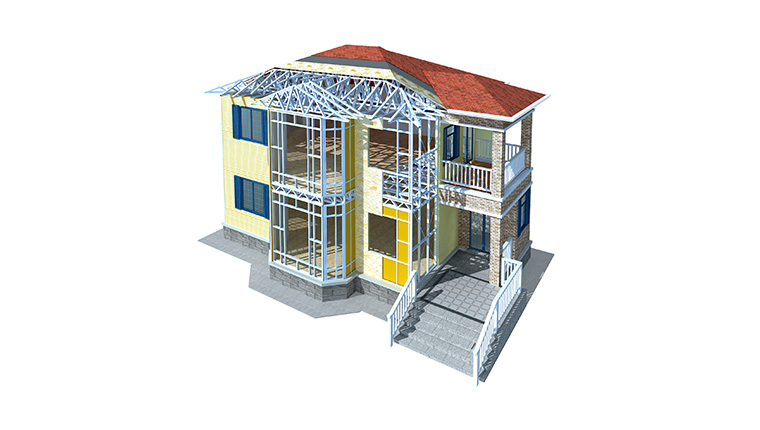
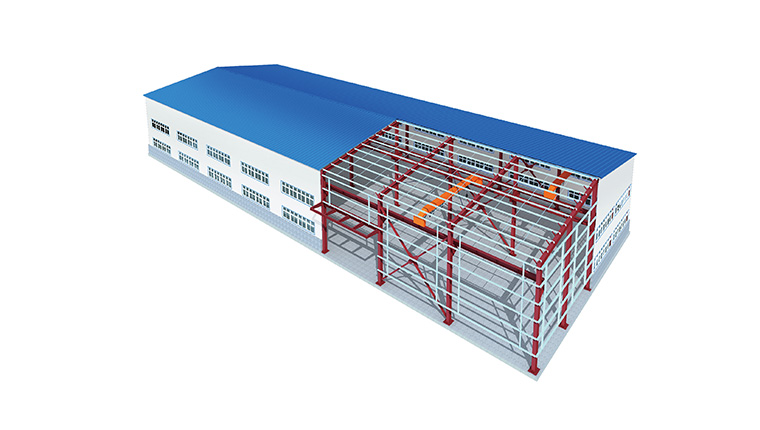
Factory production occurs in climate-controlled environments where each module undergoes systematic inspection, precision manufacturing, and structural alignment. Custom modular house builders utilize hot-dip galvanized cold-formed steel frames that deliver exceptional durability and corrosion resistance, particularly valuable for challenging environments. The controlled manufacturing environment protects materials from weather exposure, temperature fluctuations, and moisture, resulting in tighter construction tolerances and improved thermal performance.
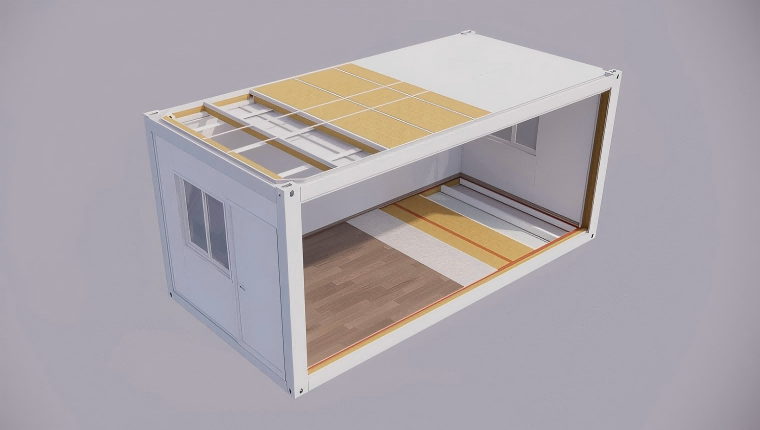
Modules are constructed as complete three-dimensional units including structural frames, insulation, electrical systems, plumbing, interior finishes, and exterior cladding. Once factory production completes, modules are transported to the building site where foundation work has proceeded simultaneously, dramatically compressing overall project timelines.
Key Advantages of Custom Modular House Builders
Accelerated Construction Timelines
Custom modular construction reduces build times by 30-50% compared to traditional methods. This acceleration results from parallel workflows where site preparation and foundation work occur simultaneously with factory module production. Weather delays—a persistent challenge in conventional construction—are virtually eliminated since critical manufacturing occurs indoors under controlled conditions.
Beijing Chengdong International Modular Housing Corporation (CDPH), a leading custom modular house builder with over two decades of specialized experience, demonstrates these timeline advantages across more than 2,000 projects in over 100 countries. Their modular units arrive factory-complete and ready for immediate deployment, eliminating secondary on-site decoration requirements.
Superior Quality Control
Factory-based construction enables quality standards difficult to replicate in field conditions. Custom modular house builders implement systematic inspection protocols at each manufacturing stage, ensuring consistent construction techniques and superior craftsmanship. The controlled environment supports precision cutting, advanced sealing techniques, and improved integration of mechanical systems.
Many custom modular builders construct homes with one-third more structural material than traditional site-built equivalents, delivering exceptional durability and long-lasting structural integrity. This rigorous manufacturing process results in fewer post-delivery adjustments and enhanced long-term performance.
Cost Efficiency
Custom modular house builders deliver 10-30% lower construction costs compared to stick-built homes through multiple mechanisms. Factory efficiency reduces labor expenses, bulk material purchasing lowers component costs, and precision manufacturing minimizes waste. The compressed construction timeline reduces financing costs—a significant factor in overall project economics.
Beyond initial construction savings, custom modular homes generate ongoing economic benefits through superior energy efficiency. Enhanced insulation (typically R38 roof, R19 floor, R21 walls) and tighter construction with fewer air leaks translate to 20-30% lower utility bills over the home's lifetime.
Environmental Sustainability
Custom modular construction significantly reduces environmental impact compared to traditional building methods. Factory precision cutting and bulk material purchasing reduce construction waste by up to 50%. Controlled manufacturing environments minimize on-site pollution including noise, dust, and construction debris.
Progressive custom modular house builders increasingly incorporate sustainable technologies including recycled materials, renewable energy systems, and circular economy principles. Advanced manufacturing processes enable integration of smart building technologies, sophisticated climate control systems, and energy-efficient components during factory production rather than through costly post-construction retrofits.
Design Flexibility and Customization
Balancing Standardization with Personalization
Modern custom modular house builders offer extensive personalization capabilities within efficient manufacturing frameworks. Clients choose from hundreds of pre-designed floor plans or collaborate with engineering teams to create fully custom designs. This strategic balance between standardization and customization enables mass production efficiencies while delivering personalized architectural solutions.
CDPH's modular construction approach demonstrates this flexibility through products ranging from container houses and prefab homes to light steel villas. Their systems support horizontal and vertical combinations, allowing structures to expand as project requirements evolve. Modules can be added, removed, or reconfigured to adapt floor plans and functions—meeting changing family sizes, lifestyles, and commercial applications.
Architectural Versatility
Custom modular house builders accommodate diverse architectural styles from modern and contemporary to traditional and rustic designs. Advanced design technologies including Building Information Modeling (BIM) enable sophisticated 3D visualization, accurate material estimation, and seamless coordination between design, manufacturing, and installation phases.
The separation of standardized structural platforms from customizable interior configurations allows clients to specify finish materials, fixtures, appliances, and aesthetic details without disruptive cost penalties. This modularity extends to climate-specific adaptations—builders select building materials and insulation systems targeted to specific geographic regions and environmental conditions.
Applications Across Market Segments
Residential Housing
Custom modular house builders serve diverse residential markets including single-family homes, multi-family developments, and affordable housing initiatives. The technology appeals particularly to first-time homebuyers, young families, and individuals seeking energy-efficient, cost-effective housing solutions.
Modular construction enables residential developers to reduce time-to-market while increasing project profitability. The construction speed advantage proves particularly valuable in high-demand housing markets where rapid delivery creates competitive advantages. Custom modular homes achieve the same longevity as traditional homes—typically 30-50+ years with proper maintenance—while the controlled factory environment often produces fewer construction defects and higher overall quality.
Commercial and Industrial Facilities
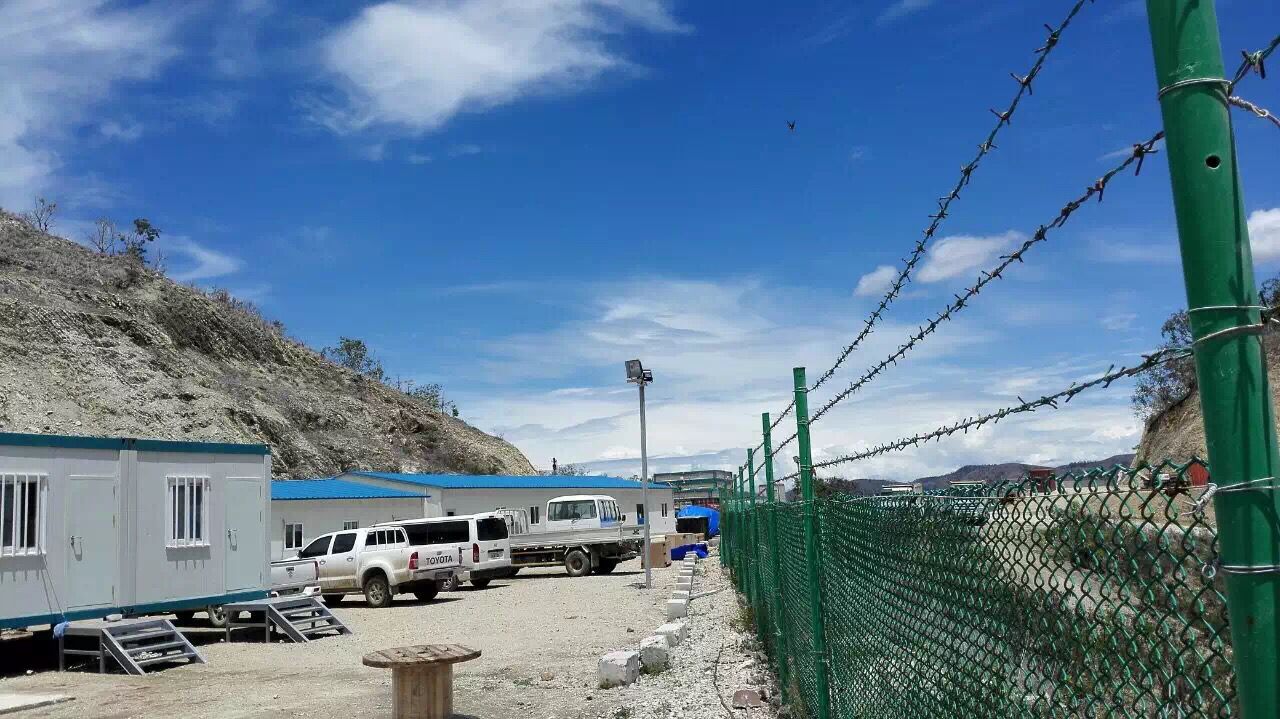
Custom modular construction extends well beyond residential applications into commercial buildings, offices, educational facilities, healthcare structures, and specialized industrial installations. The methodology proves especially valuable for remote location projects including mining camps, energy extraction facilities, and infrastructure construction sites.
CDPH specializes in engineering camp solutions for large-scale infrastructure, mining, and resource extraction projects worldwide. Their integrated approach encompasses camp planning, prefabricated housing design, factory production, logistics, on-site installation, and complete infrastructure support. Projects span accommodation facilities, office complexes, dining halls, medical stations, and production buildings.
Temporary and Semi-Permanent Structures
The reusable, relocatable nature of modular construction makes it ideal for temporary applications including disaster relief, military facilities, event venues, and construction site offices. Custom modular house builders design systems for easy disassembly, transportation, and reassembly—reducing lifecycle costs while supporting sustainability through structure reuse.
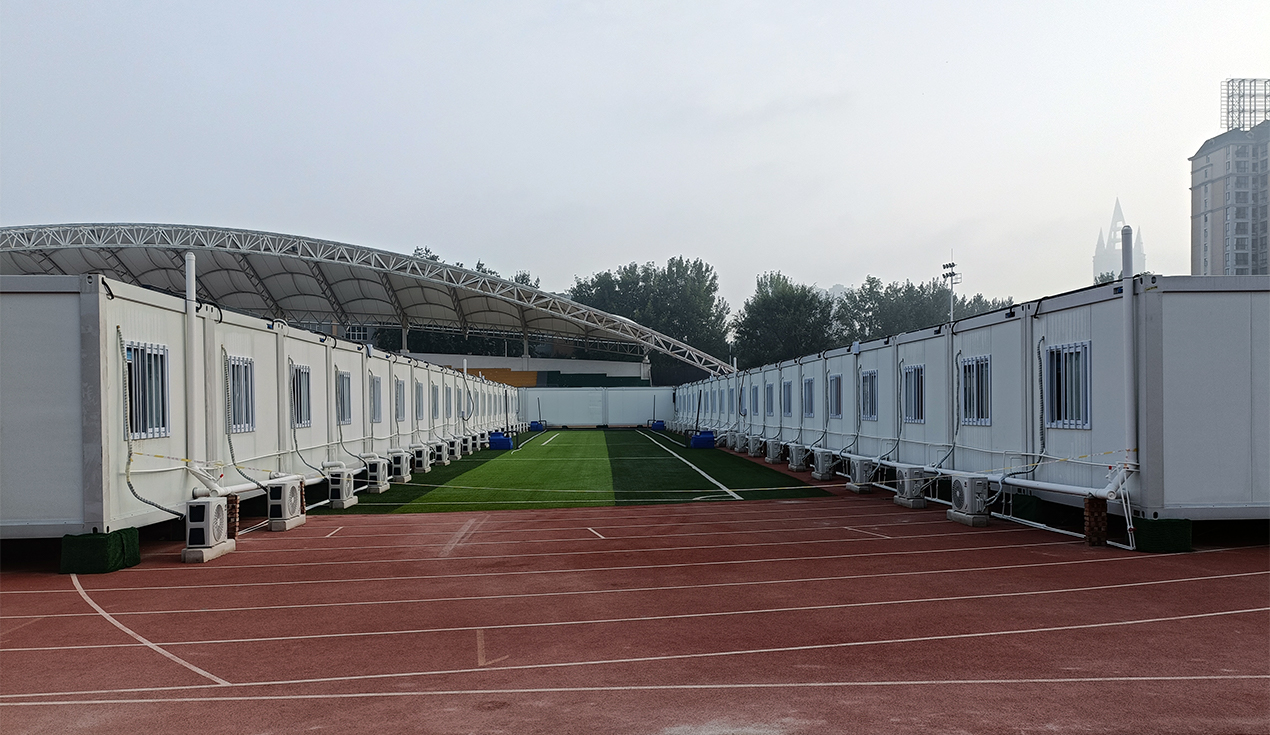
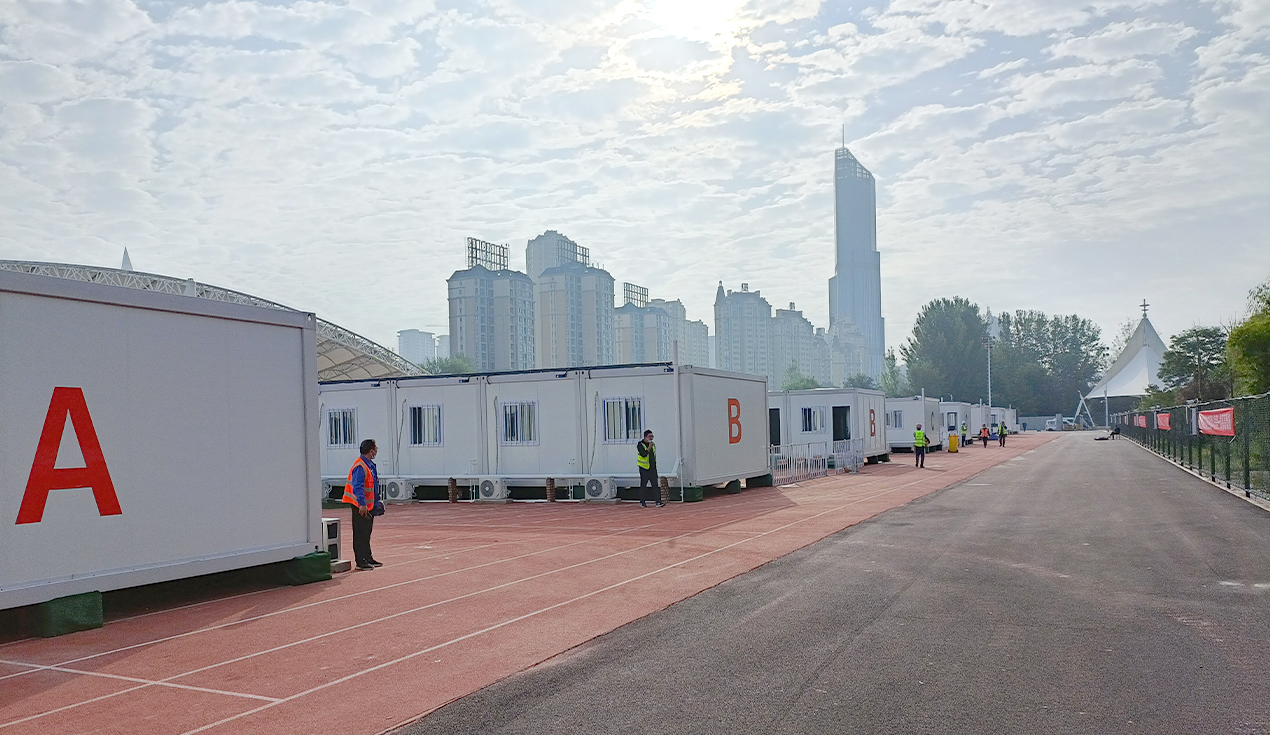
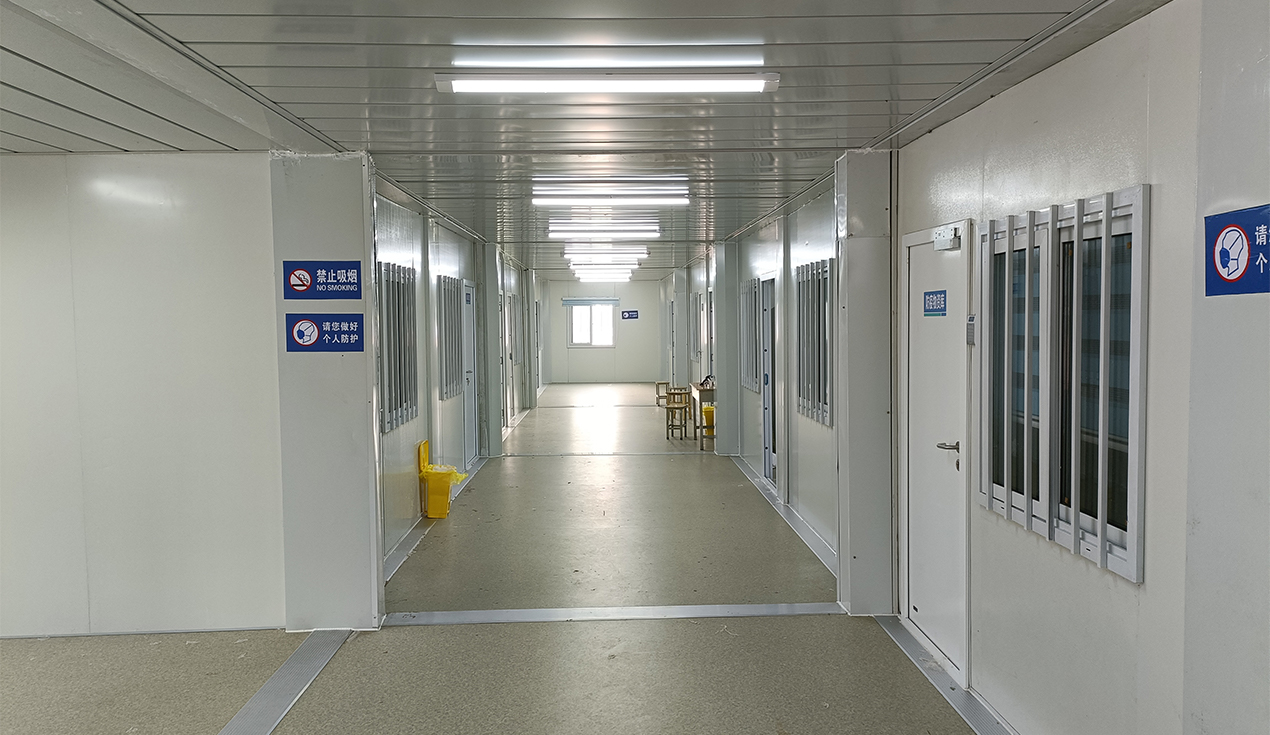
During the COVID-19 pandemic, modular construction demonstrated its emergency response capabilities when builders including CDPH rapidly constructed cabin hospitals across China. This responsiveness illustrates the strategic value of modular construction for urgent deployment scenarios requiring immediate accommodation or medical facilities.
Technological Innovations Driving the Industry
Advanced Manufacturing Technologies
Custom modular house builders increasingly adopt sophisticated manufacturing technologies including computer numerical control (CNC) machining, robotic assembly systems, and automated material handling. These technologies improve precision while reducing manufacturing costs and accelerating production timelines.
Integration of IoT sensors and artificial intelligence-driven systems enables smart climate control that learns occupant preferences and environmental conditions, optimizing heating, ventilation, and lighting automatically. Advanced insulation materials including aerogel and vacuum insulation panels promise dramatic thermal performance improvements—potentially 30-40% superior to conventional insulation—allowing thinner wall assemblies and improved interior space utilization.
Digital Design and Coordination
Building Information Modeling (BIM) has become fundamental to custom modular construction, enabling sophisticated 3D design, clash detection, accurate material estimation, and seamless coordination between design, manufacturing, and construction teams. Digital fabrication technologies translate design data directly into manufacturing instructions, reducing errors and improving consistency.
These digital tools support mass customization strategies that deliver personalized products within efficient manufacturing frameworks. Custom modular house builders leverage digital platforms to visualize design options, simulate building performance, and coordinate complex multi-trade installations before physical construction begins.
Sustainable Material Development
Research into sustainable building materials continues advancing modular construction's environmental credentials. Custom modular house builders increasingly specify recycled content materials, low-VOC finishes, and sustainably harvested wood products. Integration of renewable energy systems including solar panels, battery storage, and high-efficiency HVAC equipment enables modular buildings to achieve net-zero energy performance and environmental certifications.
Market Trends and Future Outlook
Industry Growth Trajectory
The global modular construction market demonstrates robust growth, valued at $112.54 billion in 2025 and projected to expand to $214.76 billion by 2034. The prefabricated house market specifically expanded from $142.99 billion in 2025 to $153.79 billion in 2026, reflecting a compound annual growth rate of 7.6%. This market trajectory signals maturation of modular methodologies and broader acceptance within mainstream construction paradigms.
According to the Modular Building Institute, speed-to-market (81% of respondents) and cost efficiency (68%) drive primary adoption factors for modular construction. These economic advantages combined with labor shortage pressures in traditional construction sectors accelerate market adoption across residential, commercial, and institutional building categories.
Regulatory Evolution
Progressive jurisdictions are developing streamlined approval processes specifically designed for modular construction. Recognizing that standardized factory-built components offer superior quality assurance compared to variable site-built construction, regulatory authorities are implementing expedited permitting pathways. This regulatory shift accelerates market growth while maintaining rigorous safety and performance standards.
Building codes increasingly accommodate modular construction specifications, addressing historical barriers that sometimes required variance applications or special approvals. Custom modular house builders benefit from this regulatory clarification through reduced approval timelines and greater market accessibility.
Consumer Acceptance and Awareness
Market research indicates increasing consumer acceptance of modular construction as awareness grows regarding quality, customization capabilities, and value propositions. Historical perceptions associating prefabricated construction with limited design options or inferior quality are diminishing as successful projects demonstrate the sophistication achievable through modern custom modular approaches.
The 2026 construction landscape reflects a paradigm shift where industrialized construction, energy efficiency, and personalization transition from optional features to standard expectations. Custom modular house builders positioned at this transformation's forefront benefit from first-mover advantages in rapidly evolving markets.
Selecting a Custom Modular House Builder
Key Evaluation Criteria
When selecting a custom modular house builder, prospective clients should evaluate several critical factors. Manufacturing capabilities and quality control protocols indicate a builder's ability to deliver consistent results. Site visits to production facilities reveal manufacturing sophistication, quality inspection processes, and overall organizational competency.
Design flexibility and customization capabilities determine whether builders can accommodate specific architectural preferences and functional requirements. Evaluate portfolio projects demonstrating relevant experience in desired building types, climates, and aesthetic styles. Engineering capabilities including structural design, MEP coordination, and building system integration distinguish sophisticated builders from basic assemblers.
Experience and Track Record
Project experience across diverse applications, geographic locations, and climate conditions demonstrates operational maturity and technical competency. Custom modular house builders with international project portfolios like CDPH, which has completed over 2,000 projects across 100+ countries, possess refined logistics capabilities, regulatory knowledge, and construction expertise applicable to varied project scenarios.
Certification and compliance documentation validate quality systems and regulatory conformance. Look for builders holding relevant industry certifications, quality management system accreditations, and compliance with international building standards.
Warranty and Long-Term Support
Comprehensive warranty coverage for structural integrity, thermal performance, and material durability indicates manufacturer confidence in product quality. Custom modular house builders committed to long-term customer success provide technical support, maintenance guidance, and responsive service addressing post-installation needs.
Evaluate warranty terms covering foundation connections, module integration, weatherproofing systems, and building envelope performance. Strong warranty programs combined with established service networks provide assurance and protect long-term investments.
Conclusion
Custom modular house builders represent the convergence of advanced manufacturing, sustainable construction practices, and personalized design capabilities that together address fundamental limitations of traditional building methods. The industry delivers measurable advantages including 30-50% faster construction timelines, 10-30% cost savings, superior quality control, and significant environmental benefits compared to conventional approaches.
As technological innovations continue advancing manufacturing precision, sustainable material development, and digital design coordination, custom modular construction positions itself as a primary solution for 21st-century building challenges. The global market's robust growth trajectory combined with regulatory evolution and increasing consumer acceptance indicates that modular methodologies will constitute mainstream construction practices rather than niche alternatives.
Organizations and individuals seeking efficient, high-quality, sustainable building solutions should evaluate custom modular house builders as strategic partners capable of delivering personalized architectural solutions through advanced industrial processes. The transformation occurring across the construction industry favors those embracing innovation, efficiency, and environmental responsibility—core characteristics defining modern custom modular construction.
For comprehensive modular construction solutions including engineering camp infrastructure, residential housing, and commercial facilities, explore the capabilities of established industry leaders like Chengdong Modular House (CDPH), whose decades of specialized experience and global project portfolio demonstrate the maturity and sophistication achievable through custom modular construction approaches.




 More
More












![Top Advantages of Modular Construction Explained [2025]](/uploads/upload/images/20250424/0fb390068474145a09a8c0504c73b1d2.png)
 May 09, 2025