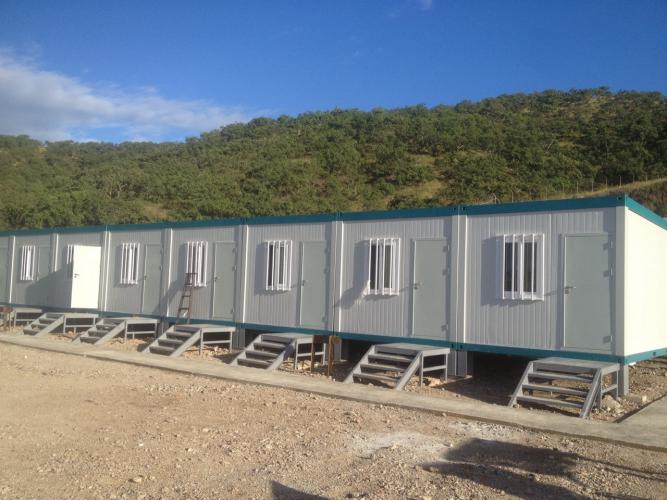
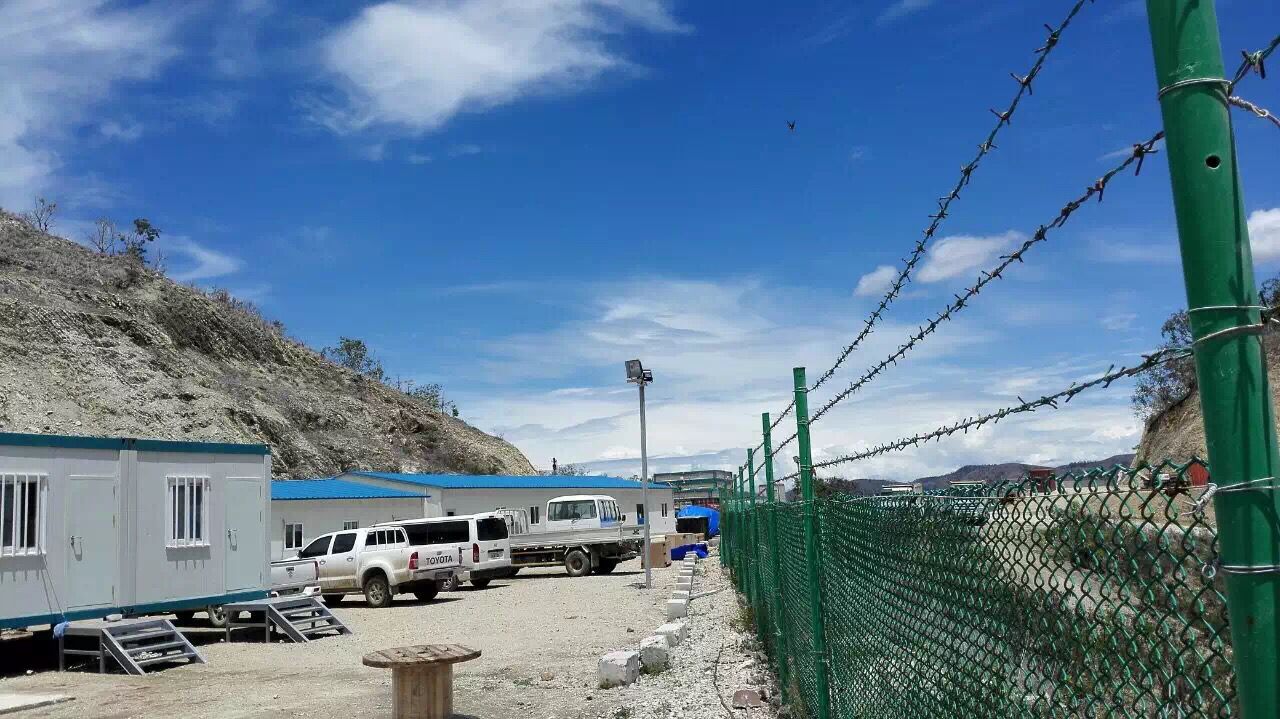
Transforming Educational Infrastructure with Modular Innovation
Modular classroom building solutions have emerged as a revolutionary approach to addressing the growing demands of educational institutions worldwide. These prefabricated structures, manufactured in controlled factory environments and assembled on-site, offer schools a viable alternative to traditional construction methods that often involve lengthy timelines, budget overruns, and significant disruption to learning activities. As educational needs evolve and student populations fluctuate, modular classrooms provide the flexibility, speed, and cost-effectiveness that modern schools require.
Unlike conventional brick-and-mortar construction, modular classroom buildings are designed using standardized units that can function independently or be combined horizontally and vertically to create comprehensive educational complexes. This innovative approach has transformed how schools plan expansions, respond to emergencies, and adapt to changing enrollment patterns.
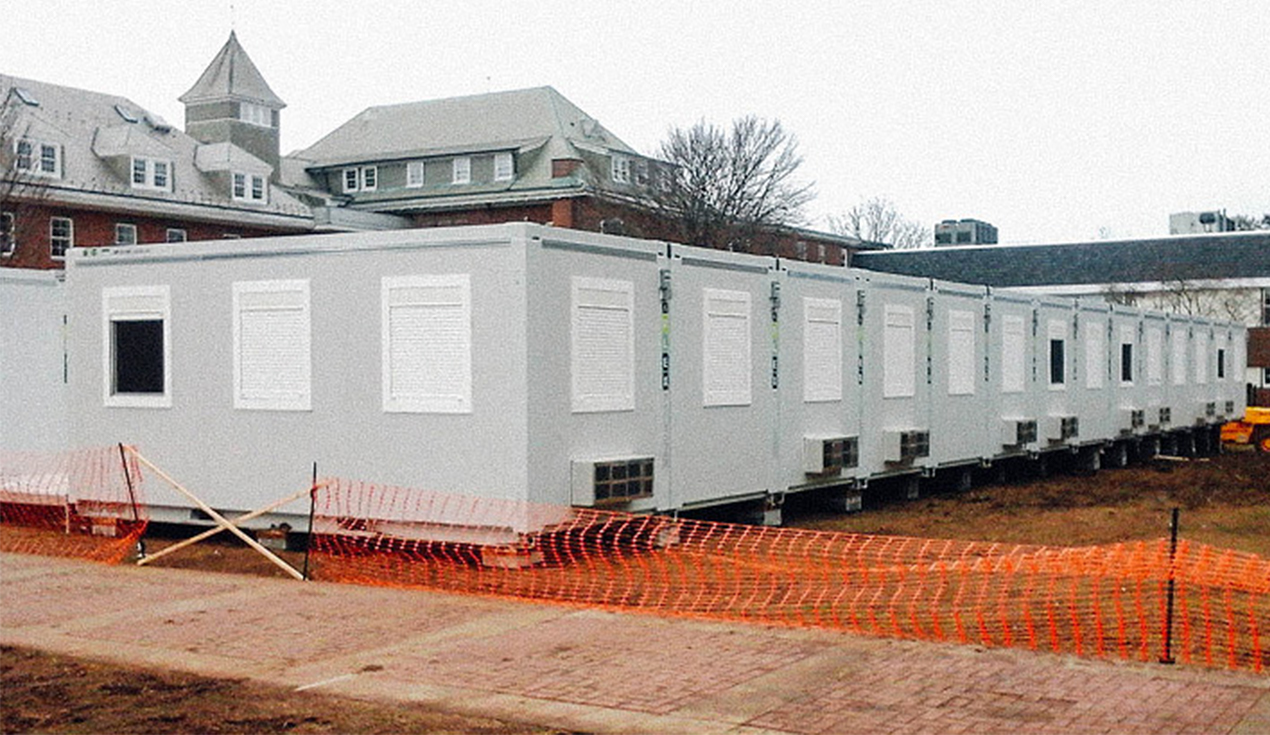
Understanding Modular Classroom Construction
Modular classrooms are prefabricated, standardized classroom units manufactured in factory-controlled environments and assembled on-site. The construction process begins with design and engineering in a controlled factory setting, where approximately 90% of the building is completed before transportation. This method eliminates weather-related delays that commonly affect traditional construction projects and ensures consistent quality through rigorous factory inspections.
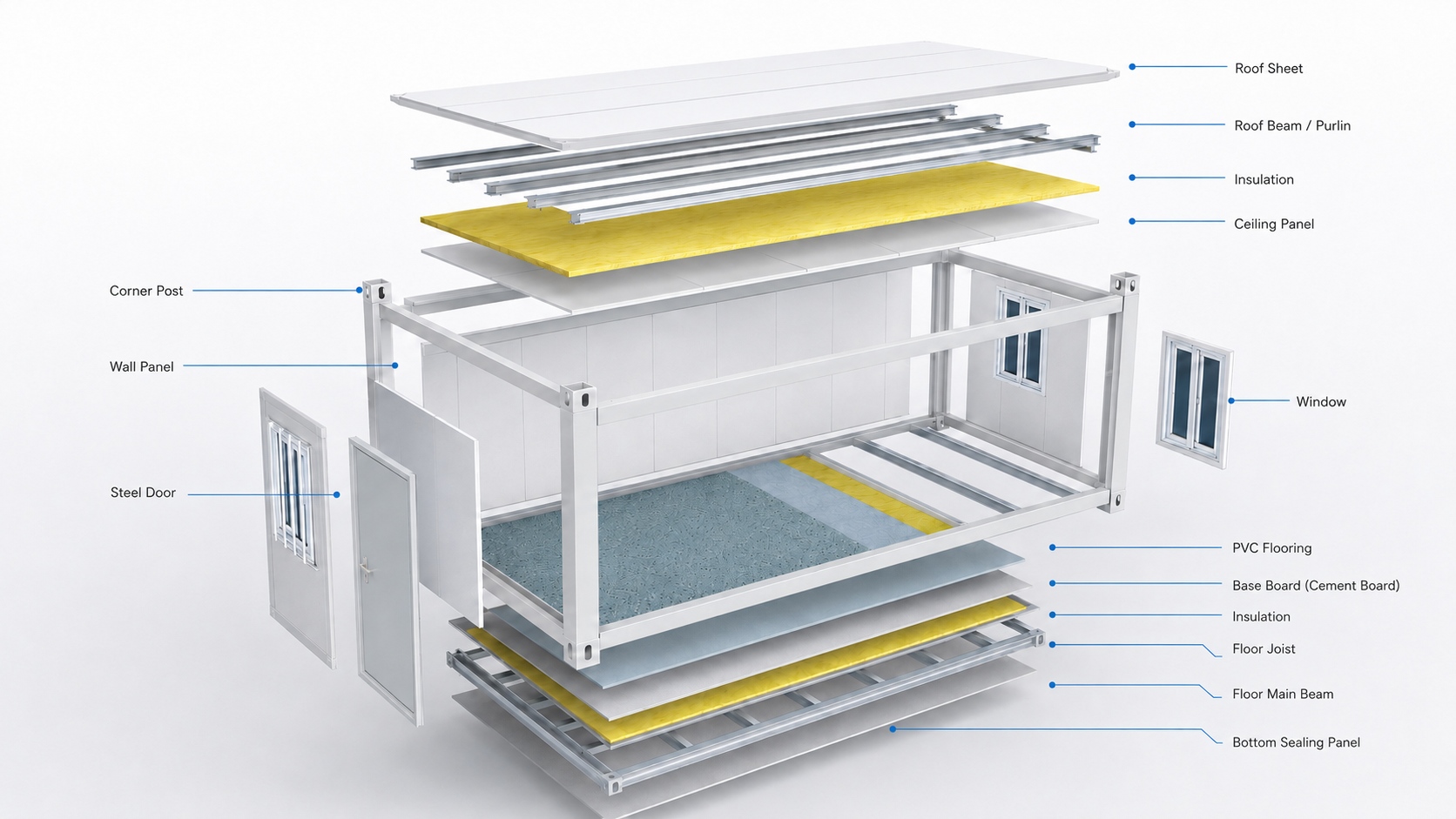
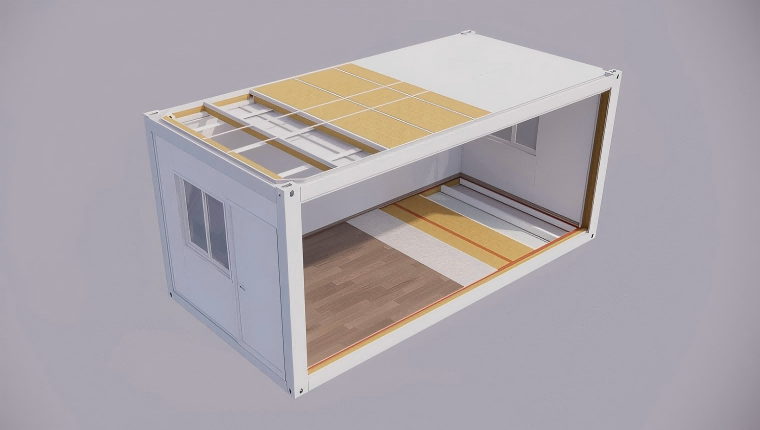
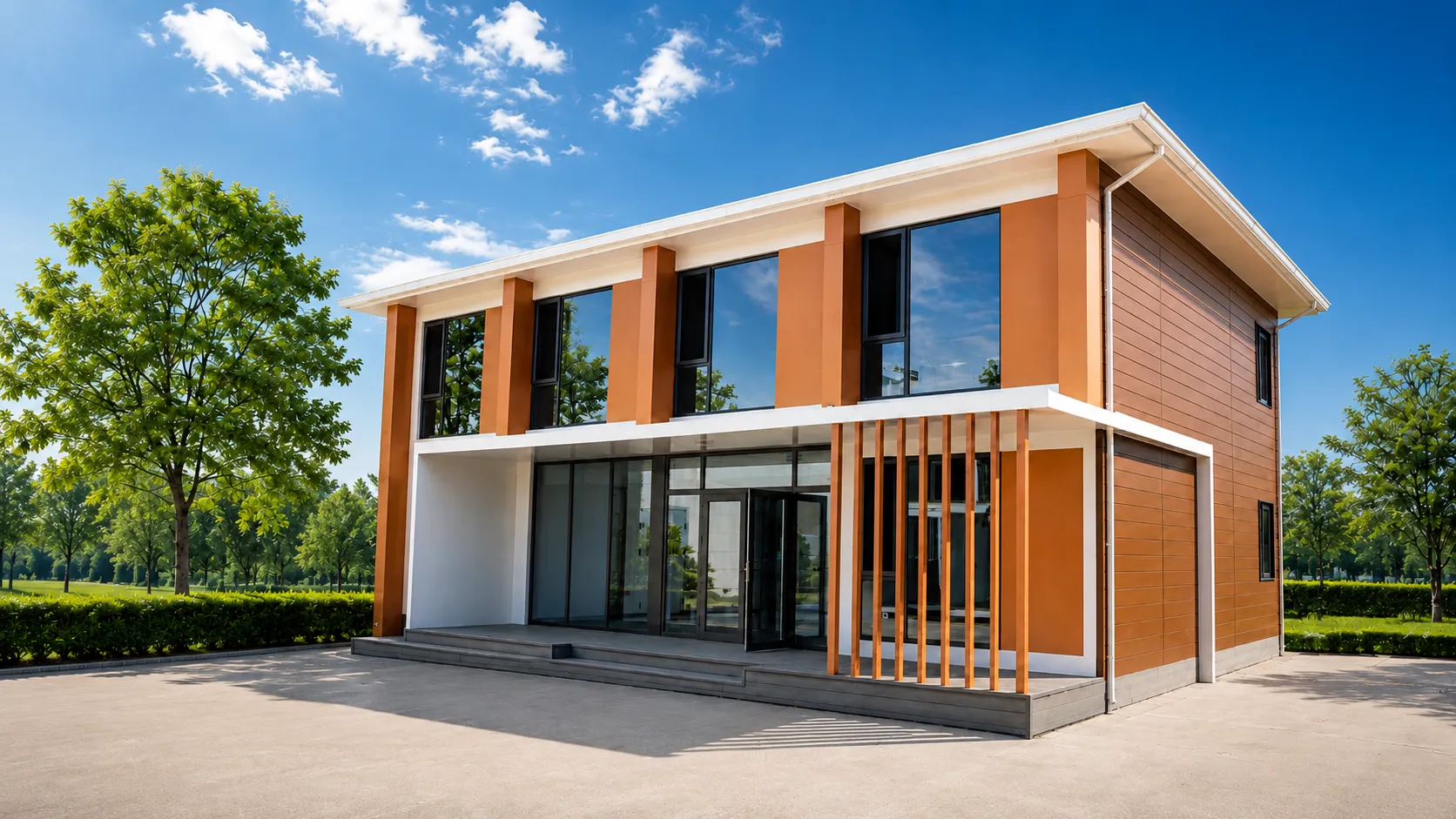
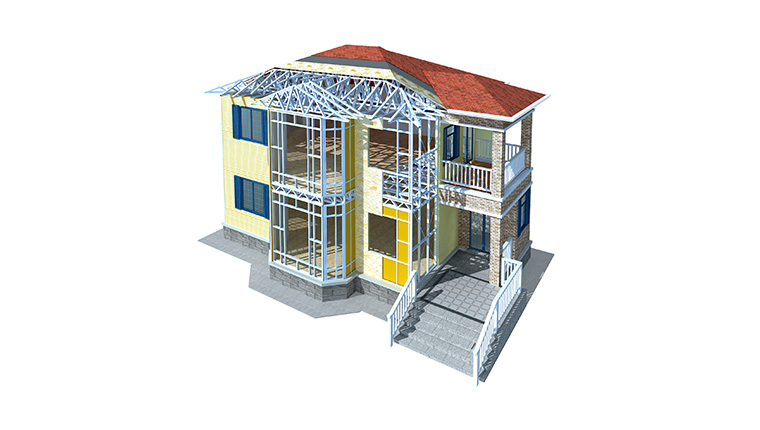
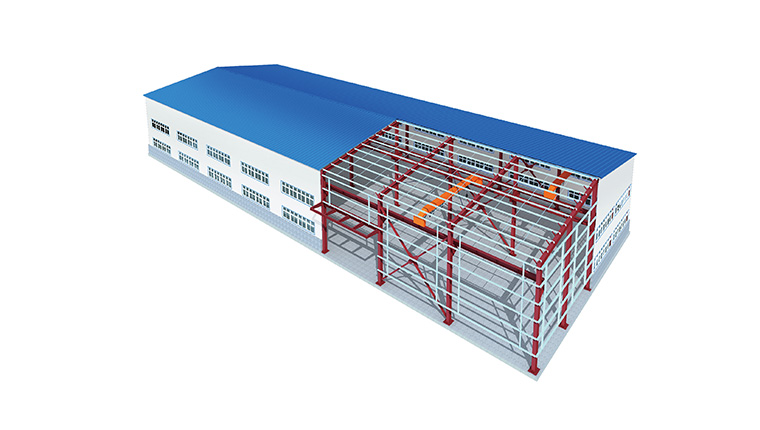
The modular units feature steel frame structures, often utilizing hot-dip galvanized steel that provides exceptional corrosion resistance and longevity. These frames support composite maintenance boards and wall panels that create stable, well-insulated learning environments. The standardized rectangular design allows for flexible configurations, with units capable of being stacked up to three levels vertically and combined horizontally to create expansive classroom complexes.
Chengdong Modular House specializes in delivering turnkey modular classroom solutions that combine factory precision with on-site efficiency, having completed educational projects in over 100 countries worldwide.
Key Advantages of Modular Classroom Buildings
Rapid Deployment and Reduced Construction Time
One of the most compelling advantages of modular classroom construction is the dramatic reduction in build time. Traditional school construction can take 12-24 months or longer, while modular classrooms can be deployed in a matter of weeks. This acceleration occurs because factory fabrication happens simultaneously with site preparation, eliminating sequential delays inherent in conventional construction.
For schools facing urgent space shortages due to rapid enrollment growth, natural disasters, or emergency situations, this rapid deployment capability proves invaluable. Students can occupy new learning spaces within weeks rather than waiting years, minimizing educational disruption and enabling immediate relief from overcrowding.
Significant Cost Savings
Modular construction reduces build times by 30-50% compared to traditional methods, translating to significant labor cost savings. Factory production minimizes material waste through precision cutting and bulk purchasing, further reducing costs. Weather-related construction delays are virtually eliminated since the majority of work occurs in controlled indoor environments.
Purchase costs for standard modular classroom units typically range from $100,000 to $300,000, depending on size, features, and customization requirements. Beyond initial construction savings, energy-efficient modular classrooms equipped with superior insulation and programmable HVAC systems can reduce utility costs by up to 38% annually compared to traditional buildings. Over a 25-year building lifespan, these operational savings can exceed the initial construction cost difference.
Superior Quality and Consistency
Factory-controlled production ensures adherence to stringent quality standards and building codes. Each modular unit undergoes comprehensive inspection against detailed checklists before leaving the factory, resulting in consistent quality across all units. This controlled environment allows for precision manufacturing that would be difficult to achieve with traditional on-site construction methods.
Regular quality checks throughout the prefabrication process ensure that completed structures comply with all applicable industry standards and safety requirements. The result is a final product that meets or exceeds the quality of traditional construction while being delivered in a fraction of the time.
Flexibility and Scalability
Educational needs constantly evolve with changing student populations, curriculum requirements, and pedagogical approaches. Modular designs allow schools to easily expand by adding additional units or reconfigure existing spaces without major structural renovations. This adaptability accommodates fluctuating enrollment and emerging educational requirements such as STEM laboratories, maker spaces, or multipurpose facilities.
The modular approach enables schools to start with a core set of buildings and systematically add modules as student numbers grow or budgets permit. Units can be reconfigured for different purposes, relocated to other parts of campus, or even moved to entirely different sites when institutional needs change.
Safety and Durability
Modular classroom buildings feature engineered steel frames designed to withstand extreme weather conditions. Chengdong's modular classrooms are engineered to resist typhoons up to Category 12, earthquakes, and humid coastal environments. Fire-resistant materials and safety features meet international standards, including CE certification.
The hot-dip galvanized steel construction provides exceptional protection against corrosion, ensuring long-term structural integrity even in challenging environmental conditions. Advanced anti-corrosion technologies enable these buildings to perform reliably in climates ranging from the scorching heat and sandstorms of the Middle East to the heavy rains and seismic activity of South America.
Applications and Use Cases
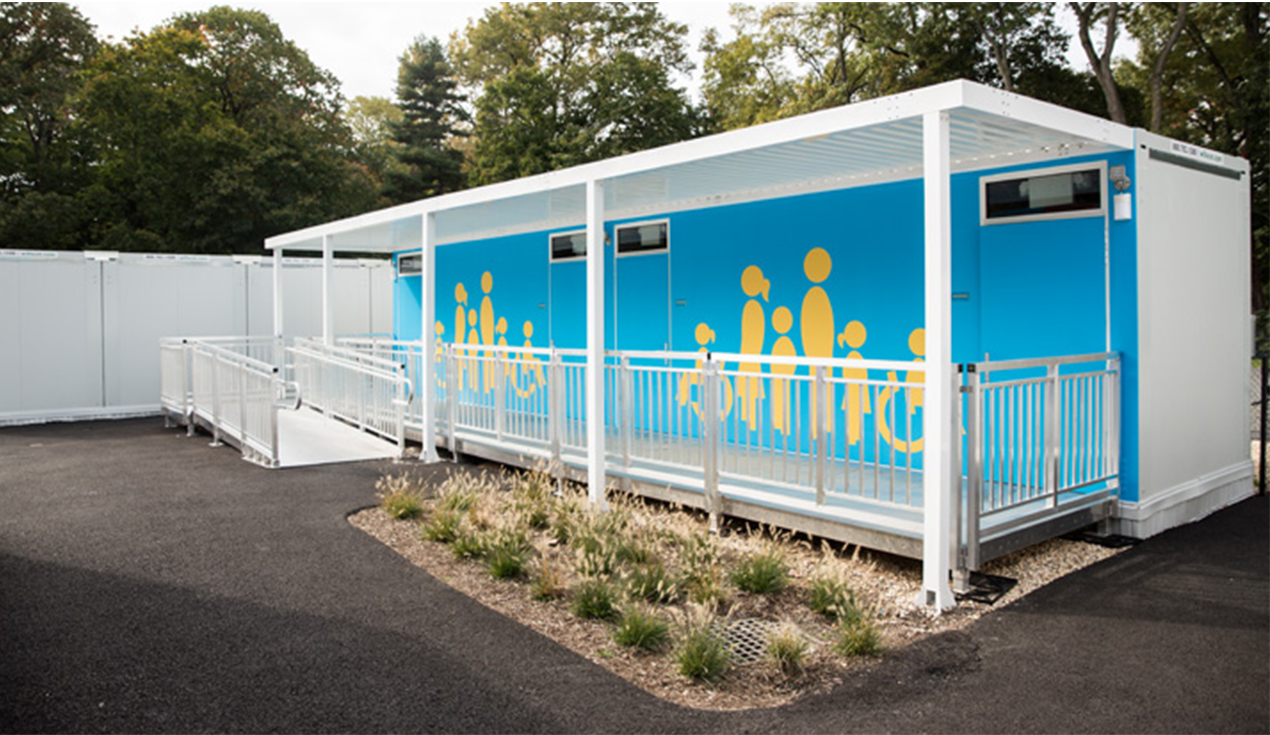
Permanent Educational Infrastructure
Modular classroom buildings serve as permanent educational infrastructure with 25+ year lifespans. Multi-classroom complexes represent sound long-term investments while retaining options for future reconfiguration or relocation if institutional needs change. These permanent installations include comprehensive features such as proper lighting, climate control systems, technology infrastructure, and specialized spaces for science laboratories, art rooms, and administrative offices.
Schools can design modular buildings to blend seamlessly with existing campus architecture through customizable exterior finishes and configurations. The permanent modular process incorporates features like mold-resistant drywall, improved ventilation systems, and natural lighting that promote healthy learning environments.
Temporary and Emergency Solutions
When schools need additional space during renovation projects or to address temporary enrollment spikes, modular classrooms provide ideal temporary solutions. These buildings can be installed quickly and removed once permanent construction is completed, with minimal site disruption.
Following natural disasters or in post-emergency contexts, modular classrooms enable rapid restoration of educational services. The ability to deploy functional learning environments within weeks proves critical for maintaining educational continuity during crisis situations.
Campus Expansion Projects
Growing student populations frequently require schools to expand physical capacity. Modular classroom buildings enable schools to add new classroom space, science laboratories, administrative offices, libraries, and specialized learning areas without the extended timelines and disruptions associated with traditional construction.
The scalable design allows for phased expansion approaches that align with budget availability and enrollment growth patterns. Schools can add units incrementally rather than committing to large-scale construction projects that may exceed immediate needs or strain budgets.
Real-World Success Stories
Antilles Primary School, Curaçao
Chengdong's successful first-phase installation of modular classroom units at this Caribbean primary school led to a second-phase expansion to accommodate growing enrollment. The client specifically requested yellow-painted steel structures to create a vibrant learning environment. After Phase I operation, Chengdong's technical team redesigned joint details to enhance child safety, demonstrating continuous improvement and client satisfaction.
The excellent performance of these modular buildings in the Caribbean climate, combined with their durability and functionality, led to their continued selection for the expansion project.
Ethiopian Railway Training Complex
Chengdong delivered 37,758 square meters of modular buildings for an educational and training facility supporting railway expansion. With 95% factory completion, the project was completed on aggressive timelines, enabling immediate operational deployment. The complex includes classrooms, dormitories, and sports facilities, creating a complete learning and living environment in a single modular complex.
South African Rural Education Initiative
In remote rural areas of Limpopo Province, Chengdong supplied 30 container classrooms featuring good lighting, sound insulation, and environmentally-friendly interior materials. These classrooms were installed in just 5 days, solving the problem of inadequate school facilities for local children. The modular design allows for future expansion as student numbers grow.
Design Features and Customization Options
Interior Environments
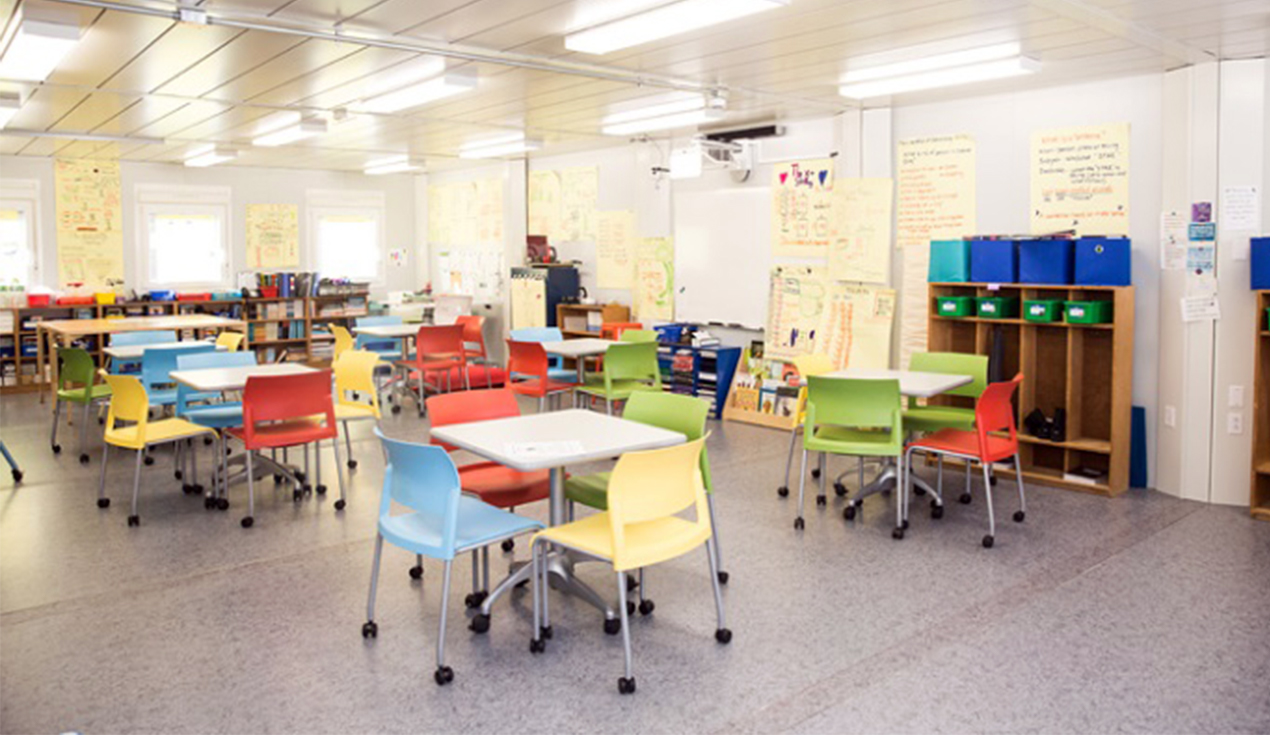
Modular classroom interiors prioritize student comfort and learning effectiveness. Key features include natural lighting optimization through strategic window placement, superior sound insulation to minimize distractions, climate control systems for year-round comfort, and environmentally-friendly interior materials that protect student health.
Classroom layouts can be customized to accommodate different teaching styles and age groups, from early childhood education through secondary and vocational training. Technology integration is facilitated through pre-installed electrical systems and infrastructure for interactive displays, computers, and connectivity.
Exterior Durability
Exterior materials are selected for durability in specific climate conditions. Corrosion-resistant steel framing provides long-term structural protection, while composite wall panels offer thermal insulation and weather resistance. Exterior finishes can be customized to match existing campus aesthetics or create distinctive visual identities.
Roofing systems are designed to handle local weather patterns, from heavy snow loads to intense sun exposure and monsoon rains. The sealed construction prevents moisture infiltration and maintains interior comfort regardless of external conditions.
Multi-Functional Spaces
Beyond standard classrooms, modular building systems support diverse educational functions. Science laboratories with specialized ventilation and utility connections, computer labs with enhanced electrical capacity and cooling, libraries and resource centers with open floor plans, administrative offices with professional finishes, cafeterias and dining halls with food service infrastructure, and sports facilities and gymnasiums with large-span structural designs can all be accommodated.
This versatility enables schools to create comprehensive educational campuses using modular construction throughout.
Environmental Sustainability
Reduced Construction Waste
Modular construction dramatically reduces on-site waste compared to traditional methods. Factory production enables precise material cutting and efficient use of resources, with offcuts and excess materials often recycled within the manufacturing facility. This controlled environment minimizes the environmental impact associated with construction debris and landfill disposal.
Traditional construction sites generate significant waste, with estimates suggesting 25-30% of materials may end up as waste. Modular construction reduces this waste stream substantially through precision manufacturing and quality control.
Energy Efficiency
Modern modular classroom buildings incorporate energy-efficient features that reduce long-term environmental impact. Superior insulation reduces heating and cooling requirements, programmable HVAC systems optimize energy use, LED lighting minimizes electrical consumption, and solar panel integration is possible for renewable energy generation.
The long-term operational energy savings contribute to both environmental sustainability and cost reduction over the building's lifespan.
Reusability and Relocation
A distinctive advantage of modular construction is the ability to relocate and reuse buildings when needs change. Modular units can be disassembled, transported, and reassembled at new locations, extending their useful life beyond a single application. This reusability aligns with circular economy principles and reduces the need for new construction when institutional requirements evolve.
Components from decommissioned modular buildings can be refurbished and reused in new configurations, further extending material lifecycles and reducing resource consumption.
Technical Specifications and Standards
Structural Engineering
Modular classroom buildings meet or exceed international building codes and safety standards. Structural engineering considerations include seismic resistance through flexible steel frame design, wind resistance certified for typhoon and hurricane zones, snow load capacity appropriate for regional climate conditions, and foundation systems adaptable to various soil types and conditions.
Chengdong's modular systems hold international CSA and CE certifications, demonstrating compliance with rigorous safety and quality standards.
Thermal and Acoustic Performance
Effective learning environments require proper thermal comfort and sound control. Modular classrooms achieve this through composite wall panel construction with high R-value insulation, acoustic barriers between units to minimize sound transmission, HVAC systems designed for classroom occupancy loads, and window systems that balance natural lighting with thermal efficiency.
These performance characteristics ensure student comfort and minimize distractions that could impact learning outcomes.
Electrical and Mechanical Systems
Modern educational facilities require comprehensive electrical and mechanical infrastructure. Modular buildings incorporate electrical capacity sufficient for technology integration and future upgrades, data networking infrastructure for digital learning tools, plumbing for restrooms and science laboratories where required, fire detection and suppression systems meeting safety codes, and energy management systems for operational efficiency.
These systems are pre-installed during factory fabrication, ensuring quality connections and reducing on-site installation time.
Planning and Implementation Process
Initial Consultation and Needs Assessment
Successful modular classroom projects begin with thorough needs assessment. This phase includes enrollment projections and space requirements analysis, site evaluation for access and foundation conditions, budget development and financing options, timeline establishment for project milestones, and regulatory review of local building codes and permitting requirements.
Working with experienced modular building providers like Chengdong Modular House ensures comprehensive planning that addresses all project variables and establishes realistic expectations.
Design and Engineering
Following needs assessment, the design phase translates requirements into specific building configurations. This includes floor plan development for classroom layouts and circulation, elevation design for exterior appearance and site integration, structural engineering for local climate and soil conditions, systems design for electrical, HVAC, and plumbing, and material selection for durability, aesthetics, and budget considerations.
Computer modeling and 3D visualization help stakeholders understand the final product before manufacturing begins.
Factory Fabrication
The factory fabrication phase is where modular construction demonstrates its greatest advantages. Manufacturing occurs in controlled environments with consistent quality control, with 90% of building completion achieved off-site. Components undergo rigorous inspection at multiple production stages, and units are protected from weather damage during construction.
Factory production typically requires 8-12 weeks depending on project complexity and customization requirements.
Site Preparation and Installation
While factory fabrication proceeds, simultaneous site preparation ensures readiness for building delivery. Site preparation includes foundation construction or pad installation, utility connections for electrical, water, and sewer services, access road development for delivery trucks and cranes, and permit finalization and inspection scheduling.
Once units arrive on-site, installation typically requires only 1-3 weeks for crane placement, module connection, final system commissioning, and interior finishing touches. This parallel processing of fabrication and site work dramatically compresses overall project timelines.
Cost Considerations and Return on Investment
Initial Investment Analysis
Understanding the total cost picture helps educational decision-makers evaluate modular classroom options. Initial costs include modular unit purchase or lease, site preparation and foundation work, delivery and installation services, utility connections and site improvements, and permitting and inspection fees.
While base costs vary by location and specifications, modular construction typically delivers 15-25% savings compared to equivalent traditional construction projects.
Long-Term Value Proposition
The financial advantages of modular classrooms extend well beyond initial construction savings. Reduced construction timelines mean earlier occupancy and revenue generation, lower utility costs through energy-efficient design deliver ongoing savings, minimal maintenance requirements reduce long-term operating expenses, and relocation or resale options preserve asset value when needs change.
Educational institutions evaluating expansion options should consider total cost of ownership over 20-25 year periods rather than focusing solely on initial construction costs.
Selecting the Right Modular Building Partner
Experience and Track Record
Choosing an experienced modular building provider significantly impacts project success. Key selection criteria include demonstrated experience in educational facilities, international project portfolio showing diverse climate adaptability, certifications and quality standards compliance, technical support and engineering capabilities, and post-installation service and warranty offerings.
Providers with extensive educational sector experience understand specific requirements for classroom environments, safety standards, and the regulatory landscape affecting school construction.
Manufacturing Capabilities
Understanding a provider's manufacturing capabilities helps ensure they can deliver quality products on schedule. Important factors include factory production capacity and quality control systems, range of design options and customization flexibility, material sourcing and supply chain reliability, and delivery logistics and installation expertise.
Chengdong Modular House operates multiple manufacturing facilities with annual production capacity exceeding 40,000 container units, ensuring reliable delivery even for large-scale educational projects.
Future Trends in Modular Educational Construction
Smart Classroom Integration
Emerging modular classroom designs increasingly incorporate smart building technologies. These include IoT sensors for environmental monitoring and energy optimization, integrated audio-visual systems for hybrid learning models, automated climate control responding to occupancy patterns, and data analytics platforms for facility management and maintenance scheduling.
These technological enhancements transform modular classrooms from simple physical spaces into connected learning environments that support modern pedagogical approaches.
Sustainability Advancements
Environmental considerations continue driving innovation in modular construction. Future developments include increased use of renewable and recycled building materials, net-zero energy designs with integrated solar and storage systems, water conservation and rainwater harvesting features, and carbon footprint reduction through manufacturing optimization and transportation efficiency.
These sustainability advancements align with institutional environmental goals while potentially qualifying projects for green building certifications and incentives.
Architectural Diversity
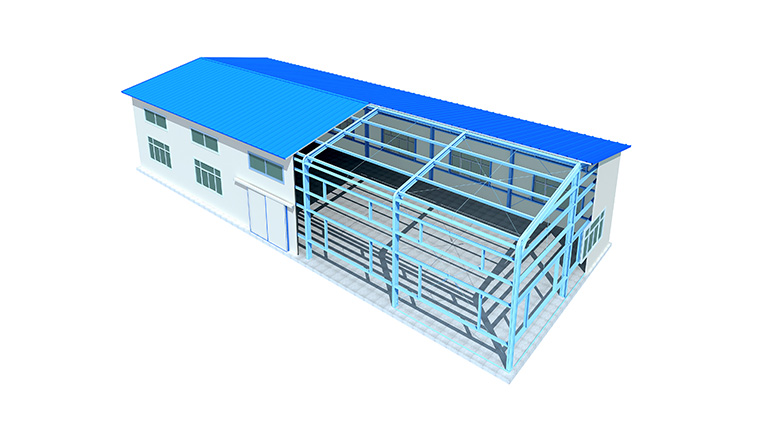
Modern modular classroom buildings increasingly challenge the perception of prefabricated structures as bland or institutional. Contemporary designs feature varied exterior finishes and architectural styles, curved walls and non-rectangular forms through advanced manufacturing techniques, multi-story configurations for urban sites with limited footprints, and integration with traditional buildings in mixed-construction campus developments.
This architectural evolution enables modular construction to serve as the primary building method for entire educational campuses rather than just supplemental or temporary solutions.
Conclusion
Modular classroom building solutions represent a transformative approach to educational infrastructure development, offering unprecedented advantages in construction speed, cost-effectiveness, quality consistency, and design flexibility. As educational institutions worldwide face growing enrollment pressures, aging facilities, and budget constraints, modular construction provides a viable path forward that balances immediate needs with long-term value.
From permanent campus expansions to temporary space solutions and emergency educational facilities, modular classrooms have proven their effectiveness across diverse applications and global contexts. The combination of factory precision, rapid deployment, environmental sustainability, and architectural versatility makes modular construction an increasingly preferred choice for forward-thinking educational leaders.
Whether schools require a single classroom to address overflow, a comprehensive multi-building complex, or specialized learning spaces like science laboratories and technology centers, modular building solutions can be customized to meet specific requirements. With experienced providers like Chengdong Modular House offering turnkey services backed by international certifications and extensive project experience, educational institutions can confidently pursue modular construction as a strategic investment in their future.
As the education sector continues evolving to meet 21st-century learning needs, modular classroom building solutions stand ready to provide the flexible, high-quality, and cost-effective infrastructure that supports educational excellence for generations to come.




 More
More













![Top Advantages of Modular Construction Explained [2025]](/uploads/upload/images/20250424/0fb390068474145a09a8c0504c73b1d2.png)
 May 09, 2025