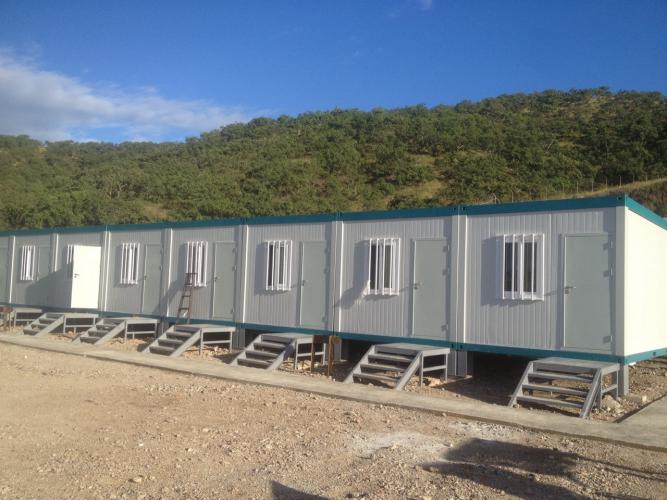
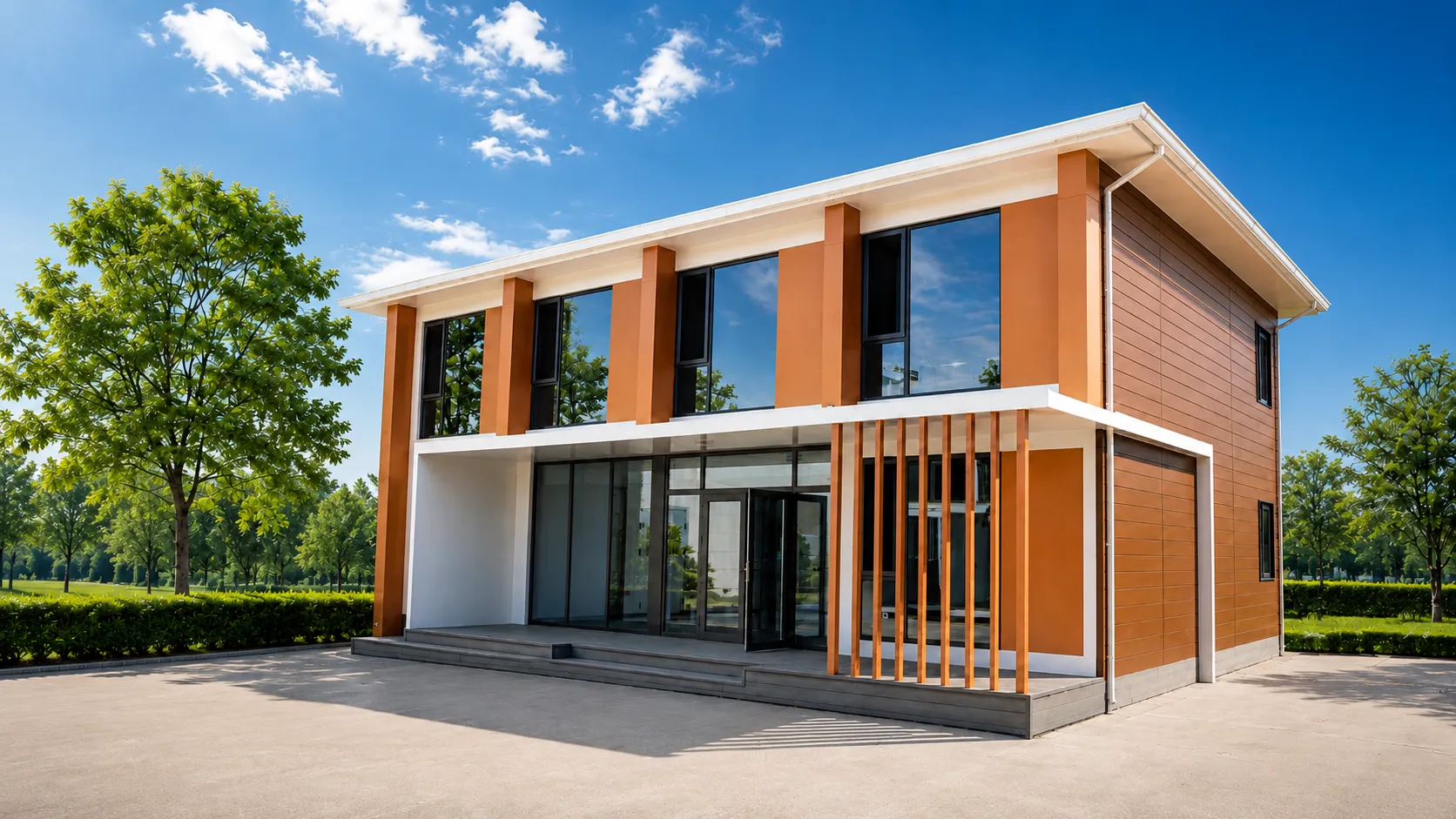
The construction industry stands at a critical crossroads where environmental responsibility meets innovative building solutions. Eco-friendly modular houses have emerged as a transformative answer to the dual challenges of housing demand and climate change, combining cutting-edge prefabrication technology with sustainable design principles. These factory-built homes represent more than just an alternative construction method—they embody a fundamental shift toward responsible resource management, reduced carbon emissions, and energy-efficient living spaces that benefit both homeowners and the planet.
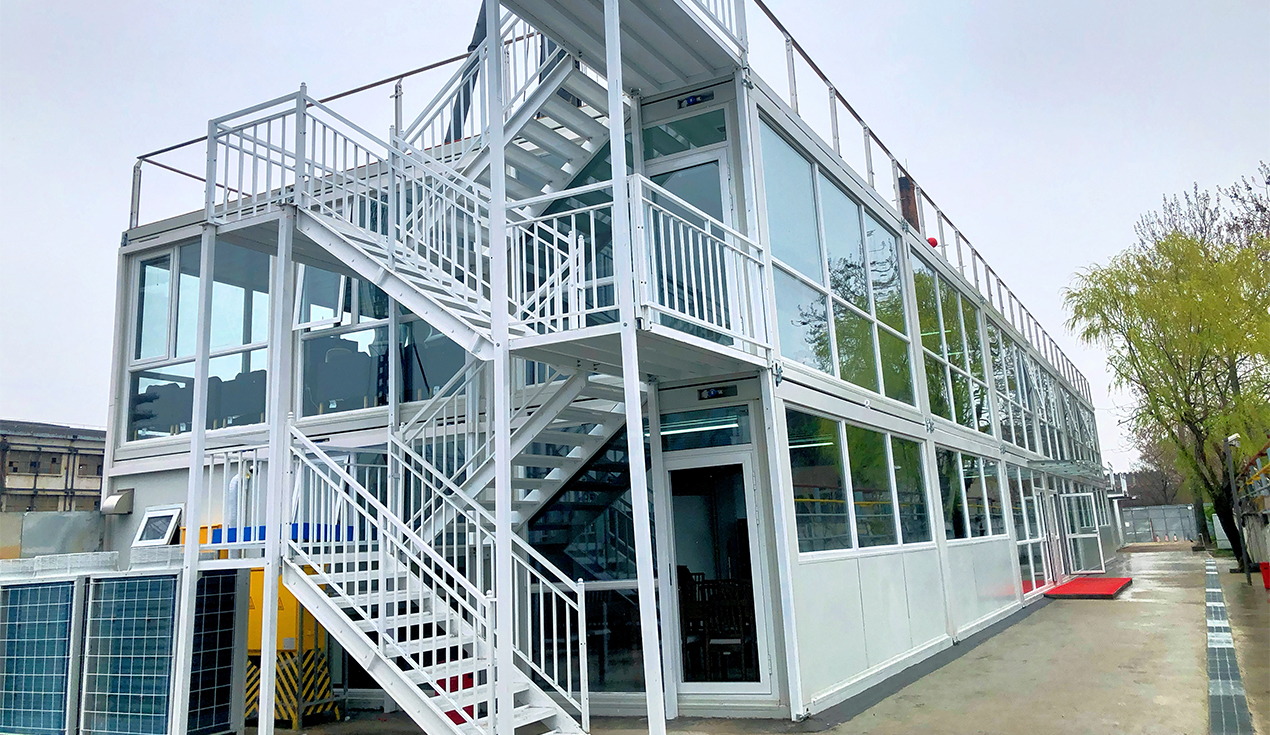
Understanding Eco-Friendly Modular Construction
An eco-friendly modular house integrates two powerful concepts: modular construction methodology and green building practices. Unlike traditional on-site construction, these homes are manufactured in controlled factory environments where precision engineering meets sustainable material selection. The modules arrive at the building site pre-finished and ready for rapid assembly, dramatically reducing construction timelines by 30-60% compared to conventional methods.
The environmental advantages begin during manufacturing, where factory conditions enable precise material cutting that minimizes waste. Research demonstrates that modular construction can reduce material waste by up to 90% compared to traditional building approaches. This controlled environment also prevents material spoilage from weather exposure, a common problem in traditional construction sites.
Chengdong Modular House specializes in eco-friendly modular solutions that leverage industrialized construction processes to deliver superior environmental performance. Their factory-based production systems ensure consistent quality control while implementing sustainable practices throughout the manufacturing cycle.
Environmental Benefits That Matter
Dramatic Waste Reduction
Traditional construction generates approximately 40% of global carbon emissions and nearly 30% of all waste worldwide. Eco-friendly modular houses address this crisis directly through precision manufacturing that reduces construction waste by 50-90%. The factory setting allows for systematic recycling of excess materials, with off-cuts and surplus components reprocessed within manufacturing operations rather than dumped at construction sites.
Modular construction can reduce waste materials including timber, cardboard, plastics, and concrete by up to 90% compared to conventional methods. This waste reduction translates to tangible environmental benefits, as fewer raw materials require extraction, processing, and transportation.
Lower Carbon Footprint
The carbon reduction potential of eco-friendly modular construction is substantial and measurable. Studies indicate that modular construction can achieve an average reduction of 67% in energy consumption during the building phase compared to traditional methods. One comprehensive assessment found that modular construction reduces greenhouse gas emissions by 30% compared to conventional building approaches.
The carbon benefits extend beyond manufacturing. By concentrating most construction activities in a factory, fewer workers and heavy machinery operate at the building site, significantly reducing traffic-related air pollution and diesel emissions. Recent research demonstrates that modular techniques can reduce greenhouse gas emissions by 32kg per square meter and deliver up to 36% lower embodied carbon across the entire building lifecycle.
Enhanced Energy Efficiency
Energy efficiency distinguishes eco-friendly modular houses from conventional construction. The controlled factory environment enables superior insulation installation and airtight construction that limits drafts and thermal losses. Modular buildings can achieve up to 15% greater energy efficiency compared to traditional buildings, with some high-performance designs reducing operational energy demands by 60%.
The sustainable modular building solutions from Chengdong incorporate factory-applied insulation systems that deliver 20-30% improvements in thermal performance over conventional builds. This enhanced envelope performance directly translates to reduced heating and cooling costs, with modern eco-friendly prefab homes capable of cutting utility expenses by 60%.
Sustainable Materials and Design Principles
Green Material Selection
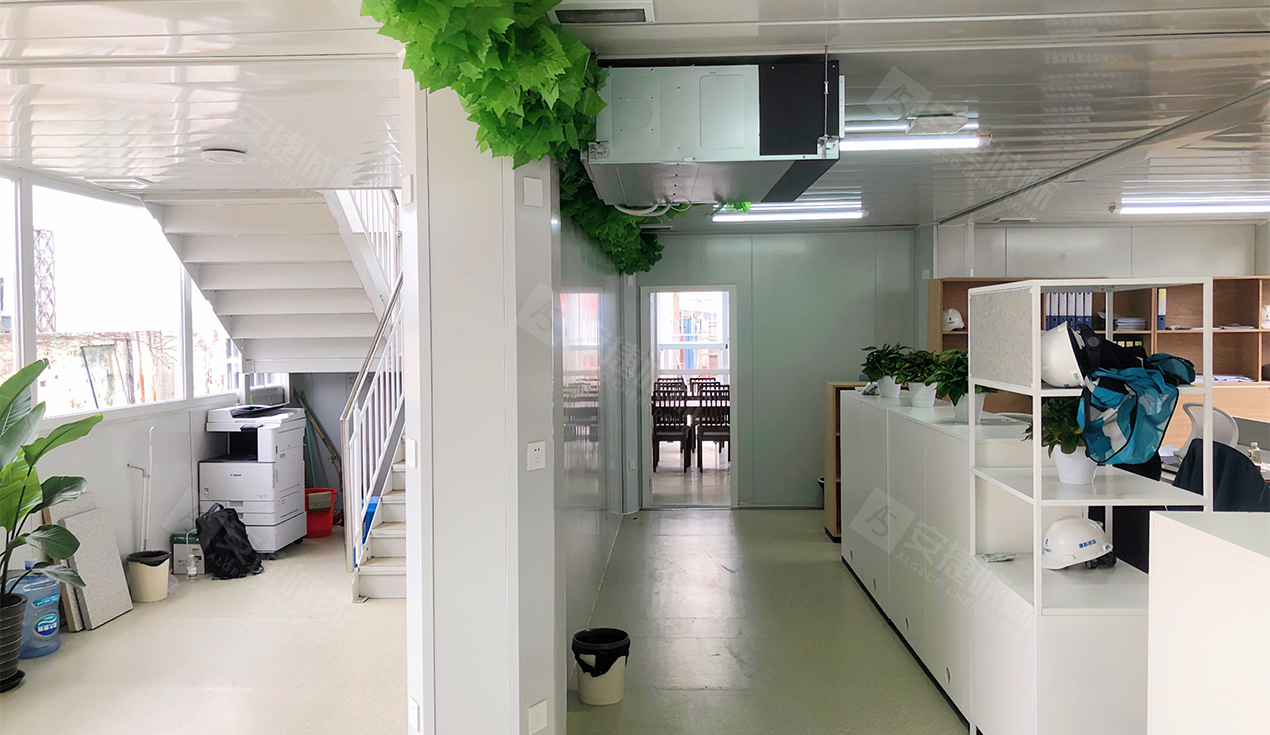
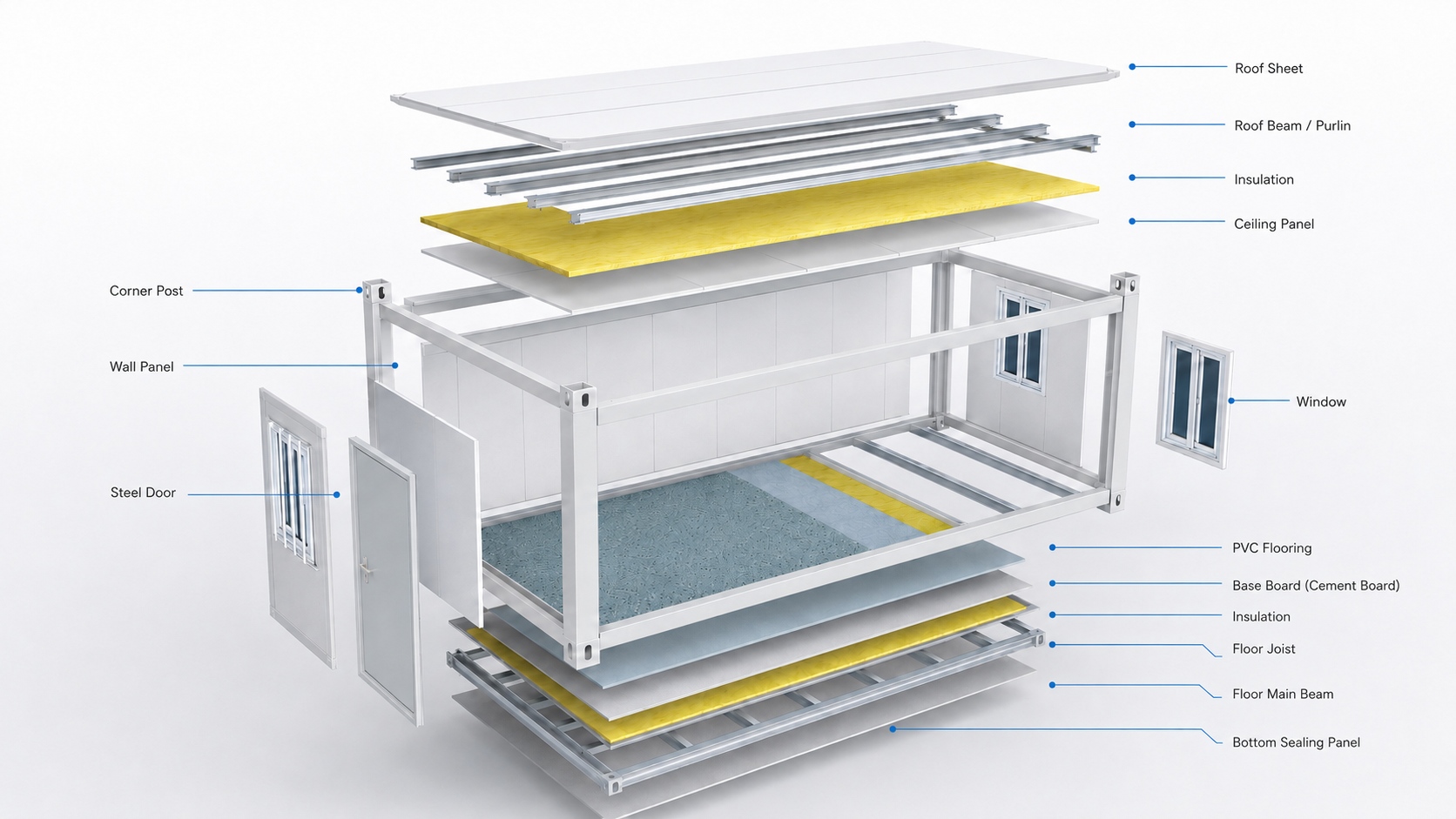
Material choices form the foundation of eco-friendly modular construction. Leading manufacturers prioritize recycled steel frames, low-carbon concrete, responsibly sourced timber, and eco-friendly composite panels. These materials offer multiple environmental advantages including recyclability, low volatile organic compound (VOC) emissions, high durability, moisture resistance, and minimal environmental footprints.
Cross-laminated timber (CLT) has emerged as a preferred structural material due to its renewable nature, carbon sequestration properties, and excellent strength-to-weight ratio. Hemp-fiber insulation provides superior thermal performance while utilizing rapidly renewable agricultural resources. Low-VOC finishes protect indoor air quality while reducing harmful chemical emissions during and after construction.
High-Performance Building Envelopes
The building envelope—comprising walls, roof, windows, and doors—determines long-term energy performance. Eco-friendly modular houses incorporate advanced envelope technologies including thermal breaks that reduce heat transfer at structural connections, reflective roofing systems that deflect solar radiation, and high-performance windows with multiple glazing layers.
These envelope optimizations slash heating and cooling demands while maintaining comfortable interior conditions across diverse climate zones. Well-designed cold-climate modular buildings consume 40-50% less energy than conventionally constructed equivalents.
Renewable Energy Integration
Modern eco-friendly modular houses often arrive pre-wired and pre-plumbed for renewable energy systems. Rooftop solar photovoltaic arrays generate clean electricity, while solar thermal panels provide domestic hot water. Some advanced designs incorporate rainwater catchment systems that supply up to 80% of household water needs.
This renewable energy readiness enables homeowners to achieve net-zero energy performance, where the home generates as much energy as it consumes annually. Modular construction facilitates this integration by allowing renewable systems to be installed and tested during factory assembly, ensuring optimal performance from day one.
Practical Advantages for Homeowners
Accelerated Construction Timelines
Speed represents a significant advantage of eco-friendly modular construction. While traditional homes may require six to twelve months or longer to complete, modular homes can be fully manufactured and assembled in a fraction of that time. Factory production operates year-round regardless of weather conditions, eliminating seasonal delays that plague conventional construction.
Site assembly of modular units typically requires just days or weeks rather than months. This rapid deployment minimizes environmental disruption, reduces construction-related noise and pollution in neighborhoods, and allows homeowners to occupy their sustainable homes sooner.
Cost-Effectiveness
Contrary to misconceptions that sustainable housing commands premium prices, eco-friendly modular construction balances affordability with environmental responsibility. Factory automation, bulk material procurement, standardized production processes, and reduced labor requirements all contribute to cost savings.
Research indicates that modular construction can reduce overall building costs by approximately 30% compared to traditional methods. The controlled factory environment minimizes material waste, theft, and weather-related losses that inflate conventional construction budgets. Long-term operational savings from reduced energy consumption further enhance the economic case for eco-friendly modular homes.
Superior Quality Control
Factory construction environments enable rigorous quality control impossible to achieve on traditional building sites. Each component undergoes systematic inspection before assembly, ensuring structural integrity, proper insulation installation, and code compliance. This controlled manufacturing process produces consistent results with minimal defects.
The indoor construction environment protects materials from moisture damage, UV degradation, and contamination that can compromise building performance and longevity. Modules arrive at the building site fully inspected and tested, with integrated HVAC systems, fire-rated materials, and certified structural components.
Real-World Applications and Success Stories
Residential Developments
Eco-friendly modular houses excel in diverse residential applications, from single-family homes to multi-unit apartment buildings. A notable example includes a five-story, 25-unit apartment building in Germany constructed using recycled steel containers retrofitted with high-performance building envelopes. The entire structure was craned into place during a single weekend, and the completed project earned Passive House certification with an annual heating demand of just 15 kWh per square meter.
In tropical climates, custom four-bedroom modular homes feature cross-laminated timber construction, hemp-fiber insulation, and operable louvered facades for natural ventilation. These designs demonstrate how eco-friendly modular construction adapts to regional climate requirements while maintaining superior environmental performance.
Remote and Challenging Sites
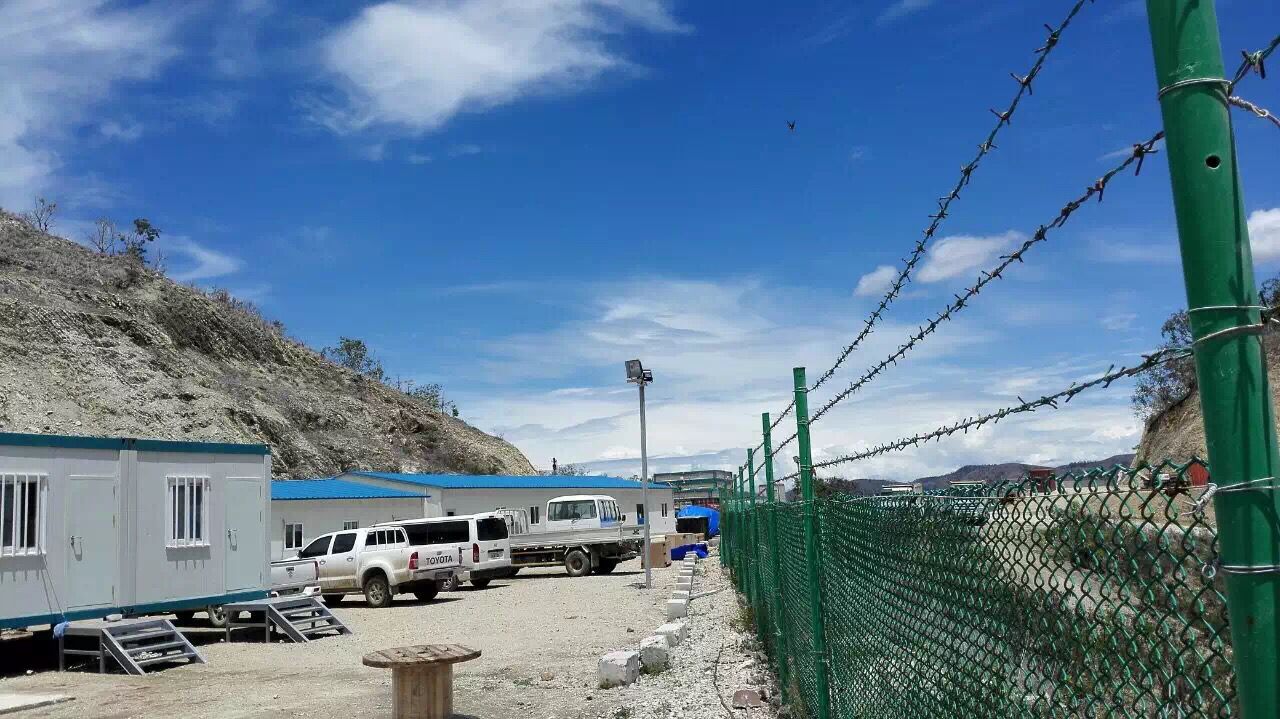
Modular construction proves particularly valuable for remote locations where traditional construction faces logistical challenges. Mining camps, energy extraction facilities, and infrastructure projects benefit from the ability to manufacture complete living units off-site and transport them to isolated locations.
The modular housing solutions developed by Chengdong have been deployed across 40,000 projects in numerous countries worldwide, demonstrating the versatility and reliability of eco-friendly modular construction across diverse geographic and climatic conditions.
Emergency and Transitional Housing
The rapid deployment capability of eco-friendly modular houses makes them ideal for emergency housing following natural disasters or for transitional accommodations during community redevelopment. Units can be manufactured during the crisis response phase and deployed within days of site preparation, providing immediate shelter while maintaining environmental responsibility.
LEED Certification
Many eco-friendly modular houses achieve Leadership in Energy and Environmental Design (LEED) certification, the internationally recognized green building rating system. The controlled factory environment facilitates documentation of sustainable material sourcing, energy modeling, and waste management practices required for LEED credits.
Advanced modular projects have achieved LEED Platinum certification, the highest level available, demonstrating that factory-built construction can meet the most stringent environmental standards. Material selection, energy performance, water efficiency, and indoor environmental quality all contribute to LEED rating achievements.
Passive House Standards
Passive House represents the world's leading standard for energy efficiency in buildings. Several modular construction projects have achieved Passive House certification by incorporating super-insulated envelopes, high-performance windows, airtight construction, and heat recovery ventilation systems.
The precision achievable in factory construction makes Passive House performance targets more attainable than in conventional building, as consistent quality control ensures the airtightness and thermal continuity essential for ultra-low energy consumption.
BREEAM and Other International Standards
Building Research Establishment Environmental Assessment Method (BREEAM) and similar international green building frameworks recognize eco-friendly modular construction as a pathway to sustainable building performance. Factory construction facilitates compliance with these frameworks through systematic material tracking, energy monitoring, and environmental impact documentation.
Overcoming Common Misconceptions
Design Flexibility and Aesthetics
A persistent misconception suggests that modular homes lack architectural variety or aesthetic appeal. Modern eco-friendly modular construction offers extensive customization options, allowing homeowners to specify layouts, finishes, and architectural styles that reflect personal preferences. Modular systems accommodate contemporary, traditional, minimalist, and other design aesthetics without compromising structural or environmental performance.
The modular approach actually enhances design possibilities by enabling complex configurations through horizontal and vertical module combinations. Three-story structures, extended floor plans, and custom room arrangements all fall within modular construction capabilities.
Durability and Longevity
Some observers question whether factory-built homes match the durability of traditional construction. Evidence demonstrates that eco-friendly modular houses often exceed conventional building longevity due to superior material protection during manufacturing, rigorous structural engineering, and quality-controlled assembly processes.
Modular units are designed for disassembly and relocation, enabling future reuse that maximizes service life and reduces demand for new construction. This circular economy approach extends material lifecycles far beyond typical building lifespans.
Climate Adaptability
Eco-friendly modular construction performs effectively across diverse climate zones, from arctic cold to tropical heat. Targeted material selection, envelope optimization, and mechanical system design enable modular homes to maintain comfort and efficiency in challenging environmental conditions.
Cold-climate modular buildings incorporate enhanced insulation, triple-glazed windows, and air-sealing measures that dramatically reduce heating requirements. Tropical designs emphasize natural ventilation, solar protection, and moisture management to maintain comfort without excessive air conditioning.
Future Trends and Innovations
Digital Design and Building Information Modeling
Building Information Modeling (BIM) technology is revolutionizing eco-friendly modular construction by enabling real-time energy simulations, clash detection, and integrated design processes. Digital tools allow designers to optimize environmental performance before manufacturing begins, ensuring maximum efficiency.
BIM integration facilitates coordination between architectural, structural, and mechanical systems, reducing errors and improving building performance. Virtual reality visualization helps homeowners understand design options and make informed sustainable choices.
Advanced Manufacturing Technologies
Robotic assembly systems promise to further accelerate modular construction while reducing labor costs. Automated manufacturing processes ensure consistent quality and enable more complex fabrication techniques that enhance environmental performance.
Advanced materials including graphene-infused panels, transparent solar glass, and self-healing concrete will elevate the performance of future eco-friendly modular houses. These innovations will deliver superior durability, energy generation, and maintenance reduction.
Community-Scale Developments
The future of eco-friendly modular housing extends beyond individual homes to community-scale developments featuring clustered modular homes sharing microgrids, communal gardens, and cooperative amenities. These integrated communities maximize resource efficiency through shared infrastructure and collective sustainability measures.
Smart, energy-efficient communities with IoT-enabled systems, carbon-neutral operations, and renewable-powered modules are becoming mainstream in sustainable development planning. These neighborhood-scale applications demonstrate how modular construction can transform entire communities rather than individual buildings.
Making the Transition to Eco-Friendly Modular Living
Assessment and Planning
Prospective homeowners should begin by assessing their sustainability priorities, budget parameters, and site-specific requirements. Consulting with experienced modular manufacturers like Chengdong provides valuable insights into design options, material selections, and performance expectations.
Site evaluation determines foundation requirements, utility connections, access for module delivery, and local building code compliance. Early planning ensures smooth project execution and optimal environmental outcomes.
Manufacturer Selection
Choosing a manufacturer with proven sustainability credentials and quality track records is essential. Look for companies that demonstrate transparent material sourcing, environmental certifications, energy performance data, and comprehensive warranty coverage.
Chengdong's extensive project portfolio across multiple continents provides evidence of manufacturing capability and performance reliability. Their experience with diverse climate conditions and building applications demonstrates adaptability and technical competence.
Financing and Incentives
Many jurisdictions offer incentives for sustainable construction, including tax credits for solar installations, rebates for energy-efficient upgrades, and preferential financing for green buildings. Researching available programs can significantly reduce the effective cost of eco-friendly modular construction.
Some lenders now offer specialized financing products for modular homes, recognizing their quality construction and energy efficiency as factors that reduce default risk. These financing options make sustainable modular housing more accessible to diverse homebuyers.
Conclusion
Eco-friendly modular houses represent the convergence of environmental necessity and construction innovation, delivering measurable sustainability benefits while meeting diverse housing needs. With waste reductions of 50-90%, energy consumption decreases of up to 67%, and carbon emission reductions exceeding 30%, these factory-built homes demonstrate that responsible construction is both achievable and practical.
The advantages extend beyond environmental metrics to encompass accelerated construction timelines, enhanced quality control, cost-effectiveness, and design flexibility that accommodates personal preferences and regional requirements. As digital technologies, advanced materials, and community-scale applications continue evolving, eco-friendly modular construction will play an increasingly central role in addressing global housing challenges while respecting planetary boundaries.
Whether seeking a single-family residence, multi-unit development, or specialized facility, eco-friendly modular houses offer a proven pathway to sustainable living that benefits homeowners, communities, and the environment. The future of housing is modular, sustainable, and ready to build today.




 More
More











![Top Advantages of Modular Construction Explained [2025]](/uploads/upload/images/20250424/0fb390068474145a09a8c0504c73b1d2.png)
 May 09, 2025