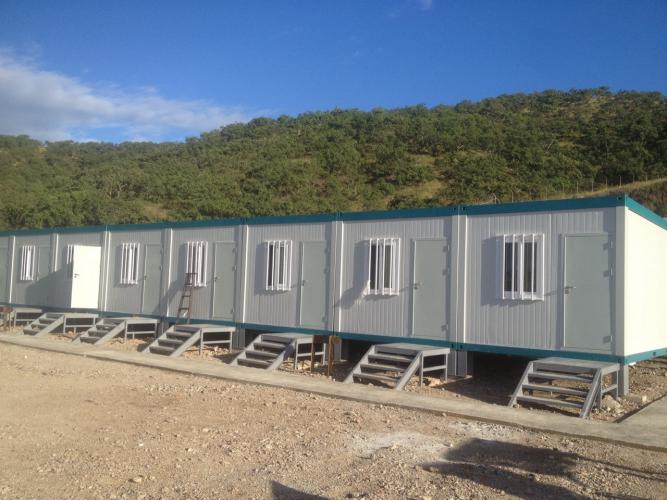
Revolutionizing Construction Through Sustainability
Sustainable modular construction represents a transformative approach to building that addresses the construction industry's most pressing environmental challenges. At its core, this method combines factory-based prefabrication with eco-conscious design principles to create buildings that are faster to construct, more resource-efficient, and significantly less harmful to the environment than traditional construction methods. As the construction industry accounts for approximately 40% of global carbon emissions and nearly 30% of all waste, the shift toward sustainable modular solutions has become not just beneficial but essential.
Chengdong Modular House exemplifies this revolutionary approach, offering comprehensive modular construction solutions including container houses, prefab houses, light steel villas, and steel structures that prioritize both environmental responsibility and practical functionality. With over 75 patents in modular housing technology and a 70,000㎡ factory capable of producing 40,000 units annually, the company demonstrates how large-scale sustainable construction can be achieved without compromising quality or efficiency.
Understanding Sustainable Modular Construction
Sustainable modular construction involves manufacturing building components or entire modules in controlled factory environments before transporting them to construction sites for final assembly. This process fundamentally differs from conventional construction by moving 80-95% of the building work off-site, where precision manufacturing, quality control, and environmental management can be optimized.
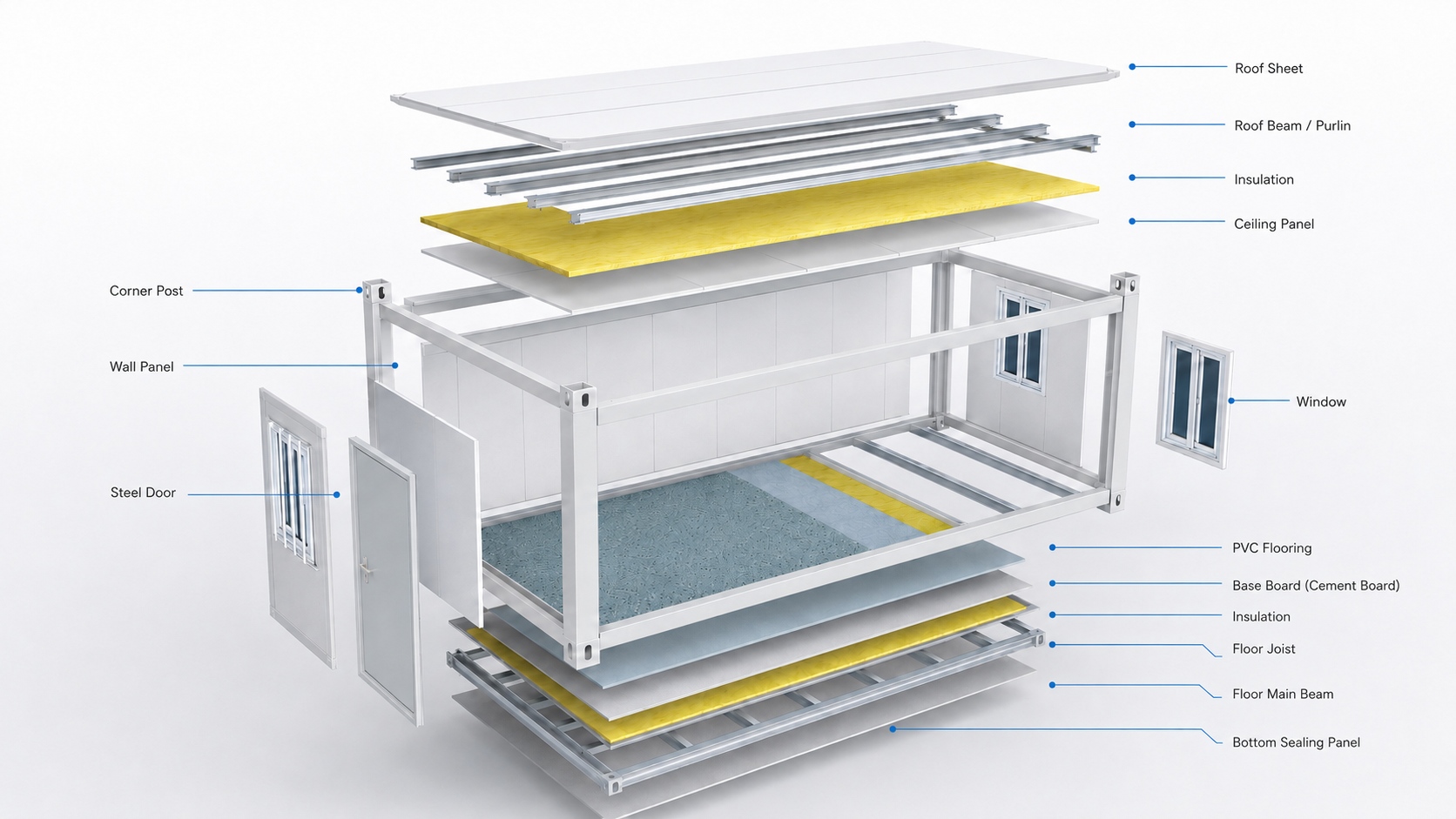
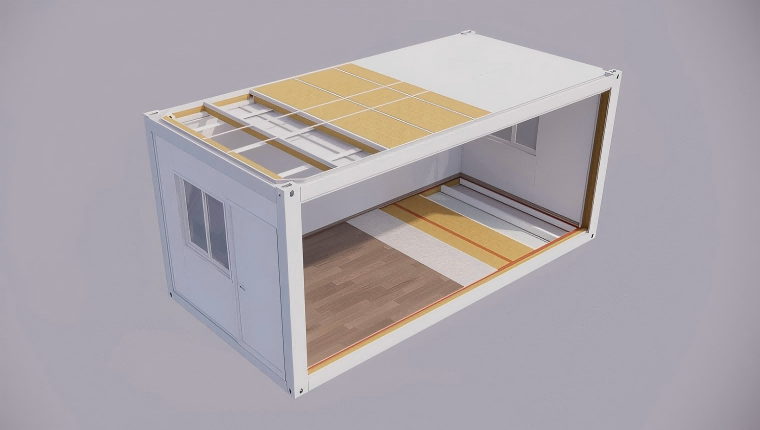
The modular approach encompasses several construction methodologies, including permanent modular construction (PMC), movable modular construction (RMC), volumetric modular construction (VMC), and panelized construction. Each method shares common sustainability advantages while offering unique benefits for specific project requirements. Container houses, for instance, use recycled shipping container frames as structural foundations, providing both durability and material reuse opportunities.
Environmental Benefits: Quantifying the Green Advantage
Dramatic Waste Reduction
One of the most significant environmental advantages of sustainable modular construction is its dramatic reduction in construction waste. Traditional on-site construction generates approximately 30% waste from damaged materials, off-cuts, and site inefficiencies that typically end up in landfills. In stark contrast, modular construction reduces waste to just 1.8-5%, representing a waste reduction of 75-90% or even up to 94% in some implementations.
This remarkable waste reduction stems from precision manufacturing in factory settings where exact cutting and assembly minimize material loss. Factory environments enable materials to be purchased in bulk and any excess can be systematically recycled within manufacturing operations rather than disposed of at jobsites. Research from Suraksha Smart City in Vasai demonstrates that modular construction can reduce material waste by up to 90% through controlled off-site fabrication.
Significant Carbon Emission Reductions
Sustainable modular construction delivers substantial carbon footprint reductions across multiple dimensions. Studies indicate carbon emission reductions ranging from 20-40% compared to traditional construction methods, with some research showing reductions as high as 36% when comparing modular approaches to conventional reinforced concrete construction.
Factory efficiency plays a crucial role in these carbon savings. Centralized manufacturing facilities operate at maximum efficiency, reducing energy consumption per unit produced compared to dispersed on-site construction. Additionally, optimized logistics significantly contribute to emission reductions—flat-packed modular components can be consolidated into single container loads, with innovative designs enabling five housing units to be packed into one standard 20-foot container. This optimization dramatically reduces transportation carbon emissions by 40-60% compared to partial or standard shipments.
The reduction in on-site construction activity also minimizes local environmental pollution. Fewer workers on actual construction sites means reduced traffic and heavy machinery operation, lowering air pollution in surrounding communities. One study estimated that greenhouse gas emissions from modular construction are approximately 30% lower than traditional construction when considering the entire building process.
Energy Efficiency Throughout the Lifecycle
Sustainable modular construction delivers energy efficiency advantages during both construction and operational phases. During the building phase, modular construction can reduce energy consumption by approximately 67% compared to traditional methods, primarily due to better energy management systems in factory environments versus dispersed construction sites.
Once operational, modular buildings demonstrate superior energy performance. The controlled factory environment allows for better insulation and airtightness, leading to reduced heating and cooling demands. Advanced insulation systems with thermal performance values (k-values of 0.25-0.64 W/mK) can reduce operational energy consumption by 30-40% compared to traditional structures. Research suggests that modular buildings can be up to 15% more energy-efficient than conventional buildings, with some eco-friendly prefab homes reducing heating and cooling costs by up to 60%.
For projects in extreme climates, this energy efficiency translates to substantial operational cost savings. Well-designed cold-climate modular camps, for example, consume 40-50% less energy than conventionally-constructed equivalents.
Material Sustainability and Circular Economy Principles
Reusability and Extended Lifecycles
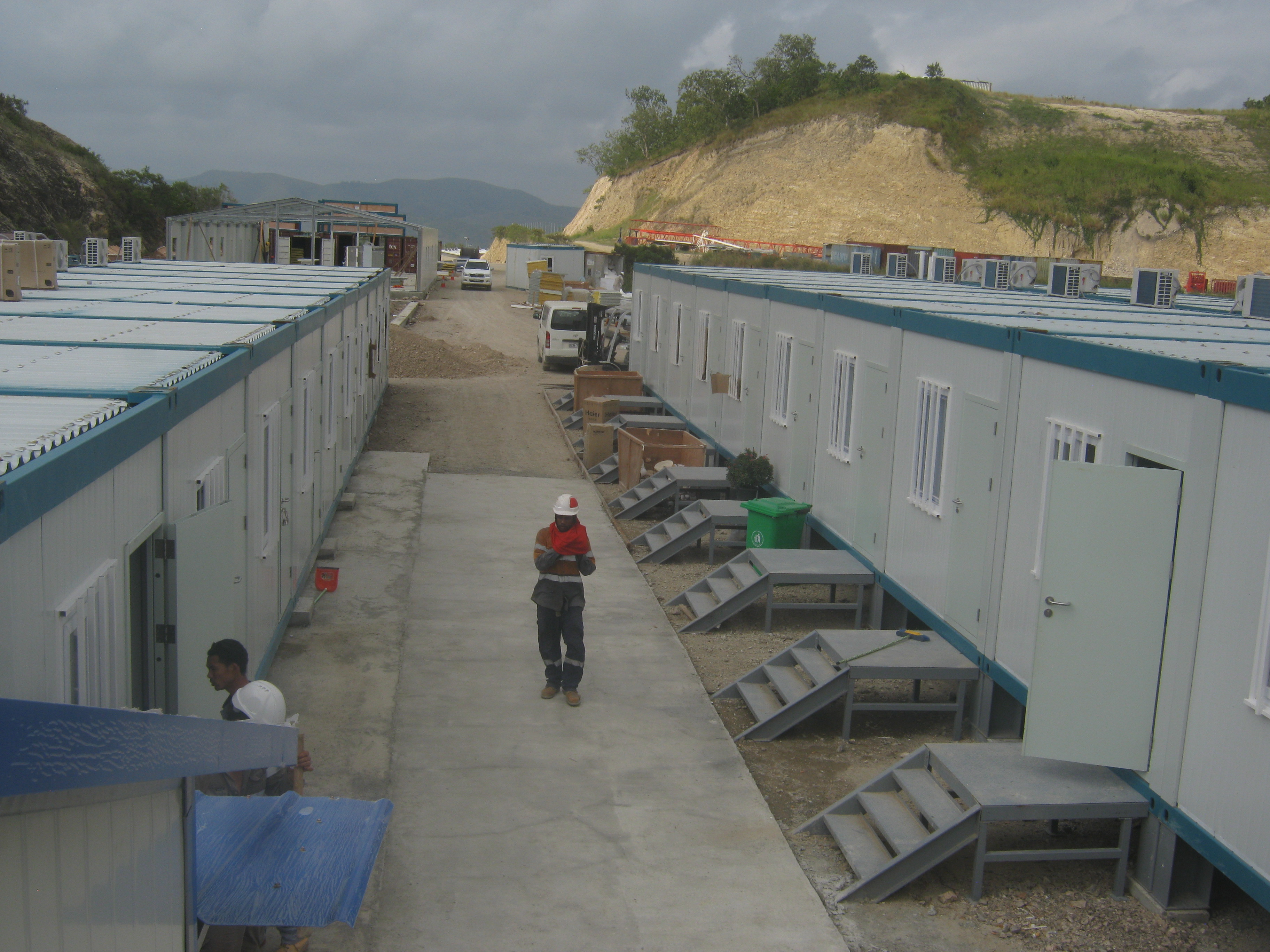
A defining characteristic of sustainable modular construction is its inherent support for circular economy principles through material reusability. Modular units constructed with bolted assembly methods enable future deconstruction and component reuse without material degradation. Upon project completion, entire modular buildings can be disassembled and relocated to new sites, extending product lifecycles to 20-30 years and amortizing manufacturing environmental costs across multiple applications.
This reusability advantage proves particularly valuable for temporary or semi-permanent installations such as construction camps, mining operations, and disaster relief housing. A container house deployed in a three-year mining operation, for instance, can be transported and redeployed across successive projects, distributing capital costs and environmental impact across multiple uses.
Sustainable Material Selection
Modern sustainable modular construction increasingly incorporates eco-friendly and recycled materials. Factory environments provide controlled conditions that enable greater experimentation with sustainable materials that might not be feasible in traditional construction settings. Common sustainable materials include recycled steel frames, bamboo, FSC-certified timber, low-VOC finishes, and bio-based insulation materials.
The steel container frames used in many modular applications are 100% recyclable, ensuring end-of-life environmental responsibility. Recycled and reclaimed materials are rapidly becoming standard in sustainable modular construction, with this approach boosting sustainability while cutting costs and reducing reliance on new raw materials.
Construction Speed and Efficiency Advantages
Accelerated Project Timelines
Sustainable modular construction delivers remarkable time savings, with projects typically completed 30-60% faster than traditional construction methods. Some implementations achieve even greater acceleration, reducing construction timelines by up to 50%. This speed advantage stems from parallel workflows where site preparation occurs simultaneously with off-site module manufacturing.
For example, the Central Africa's first modular office project achieved a 50% faster construction timeline compared to conventional methods, with minimal disruption to surrounding neighborhoods. Factories operate year-round regardless of weather conditions, eliminating weather-related delays that frequently plague traditional construction. Assembly on-site may take just weeks after modules are delivered.
Cost Efficiency Through Multiple Mechanisms
While sustainable modular construction offers numerous environmental benefits, it also delivers compelling economic advantages. Cost savings of approximately 20% are commonly achieved through multiple mechanisms. Manufacturing in automated factories reduces labor requirements by 40-60% compared to site-built construction. Standardized components benefit from economies of scale, substantially lowering per-unit material costs.
Consolidated transportation reduces freight expenses by 30-50%. Additionally, reduced construction timelines translate to lower financing costs, reduced site overhead, and faster occupancy or revenue generation. When accounting for deployment timelines, quality consistency, reusability, and reduced site overhead, total project economics strongly favor modular approaches despite sometimes higher per-unit costs.
Quality and Performance Benefits
Enhanced Quality Control
Factory-based manufacturing environments enable rigorous quality control and standardized manufacturing processes that are difficult to achieve in variable on-site conditions. Computer-assisted drawings and production line efficiencies allow for more precise access to and use of materials. Components are inspected before shipment, reducing defects and the need for costly rework.
This controlled manufacturing process results in improved consistency and reduced defect rates compared to traditional construction. The secure and dry factory environment protects materials from weather exposure, preventing problems with mold, rot, and bacteria that can occur during on-site construction.
Structural Performance and Durability
Sustainable modular buildings are engineered to meet or exceed traditional construction standards. Modular container systems are specifically designed to endure harsh conditions, offering long-lasting durability suitable for extreme environments. The structural design incorporates features such as earthquake resistance, wind resistance, fire resistance, and thermal insulation.
The standardized modular house structure is stable, with containers connected by bolts for easy and fast installation. Through structural design and experimentation, modular housing products perform well across diverse applications from school construction to commercial buildings, providing safe, quiet, and bright environments.
Applications Across Diverse Sectors
Construction and Engineering Camps
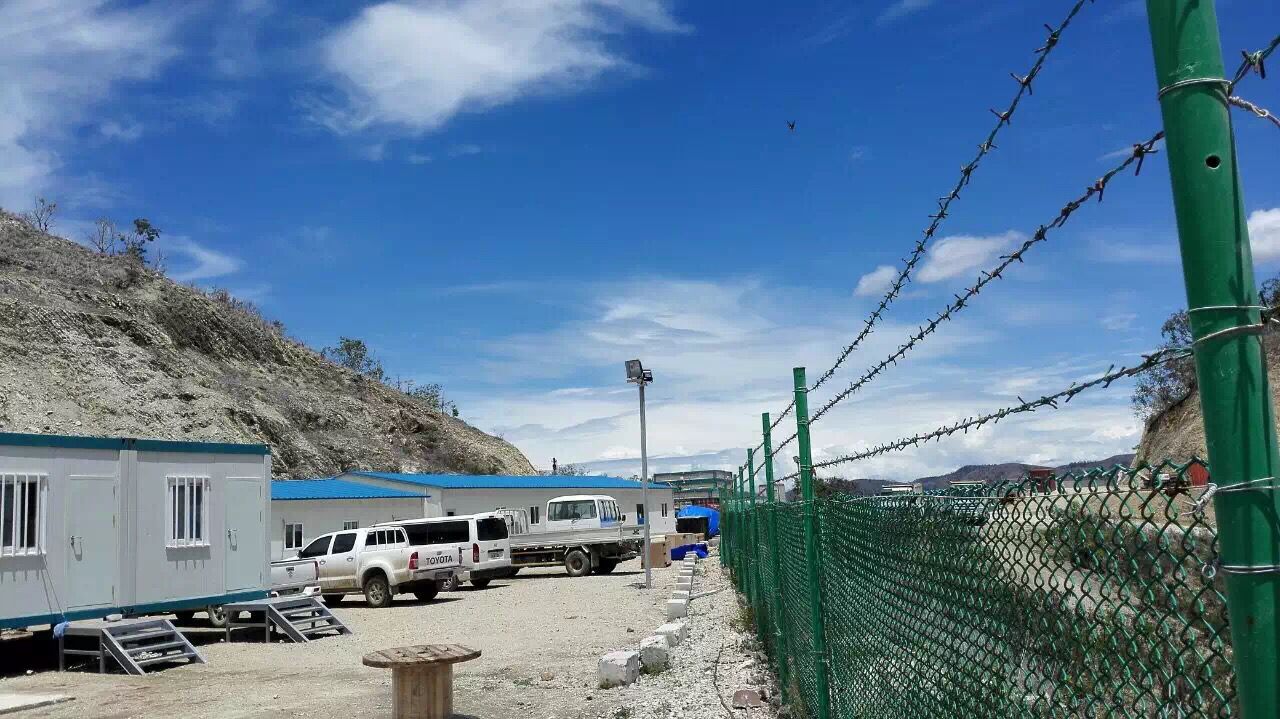
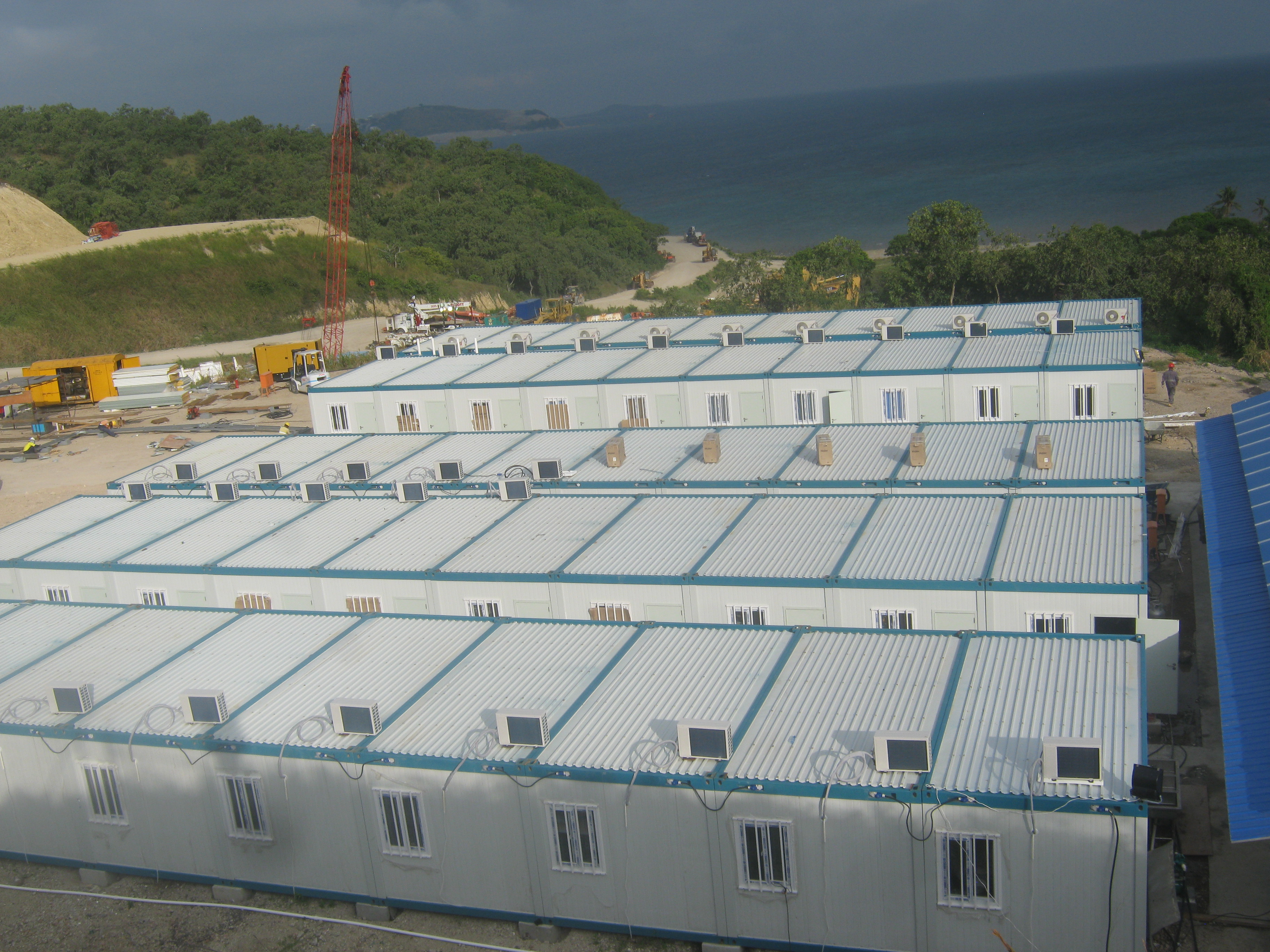
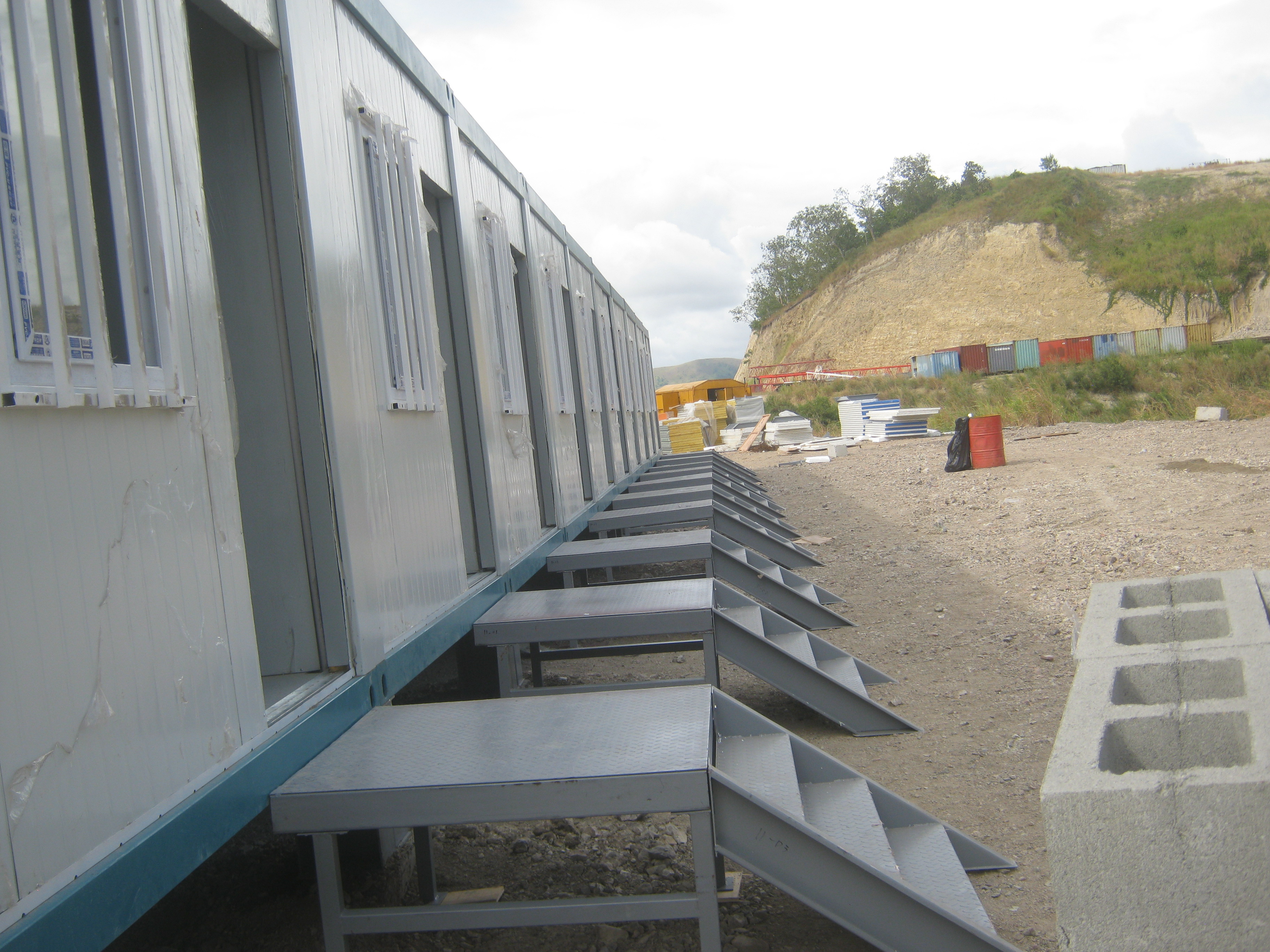
Sustainable modular construction has proven particularly valuable for construction camps supporting specific engineering projects. These temporary or semi-permanent establishments require accommodation facilities, office space, storage areas, and catering services for workers in remote locations. Chengdong has been deeply involved in this field for many years, with rich experience in planning, design, construction and implementation of engineering camps across multiple continents.
In mining and energy extraction areas located in remote locations, modular camps provide comfortable accommodation for hundreds of miners, technicians, and managers. The dormitories are equipped with basic furniture and independent bathrooms, creating livable environments after work shifts. The reduced environmental impact of modular construction proves increasingly important as mining operations face enhanced environmental compliance requirements.
Commercial and Residential Development
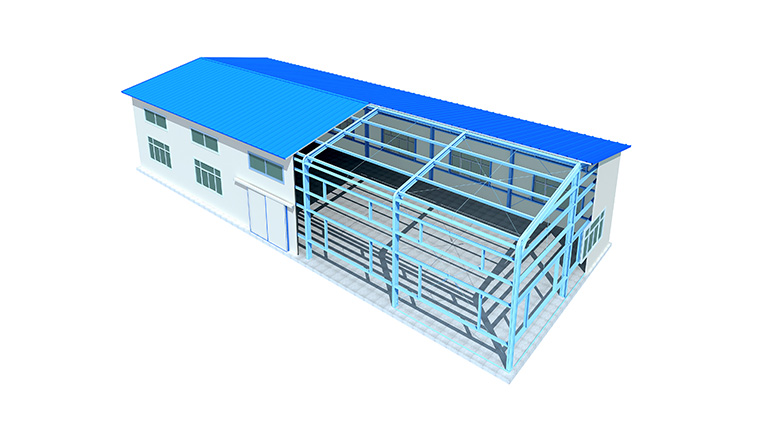
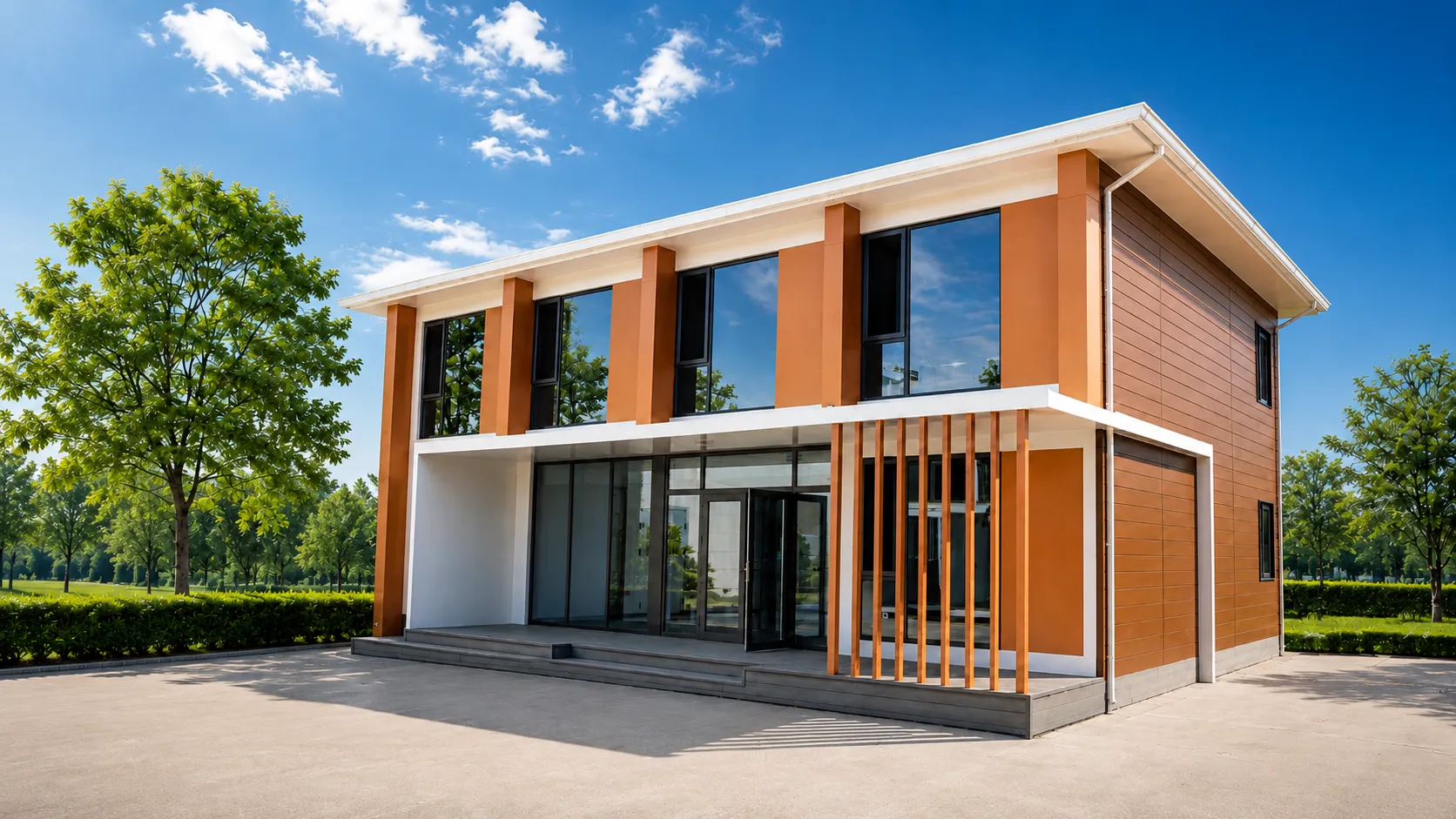
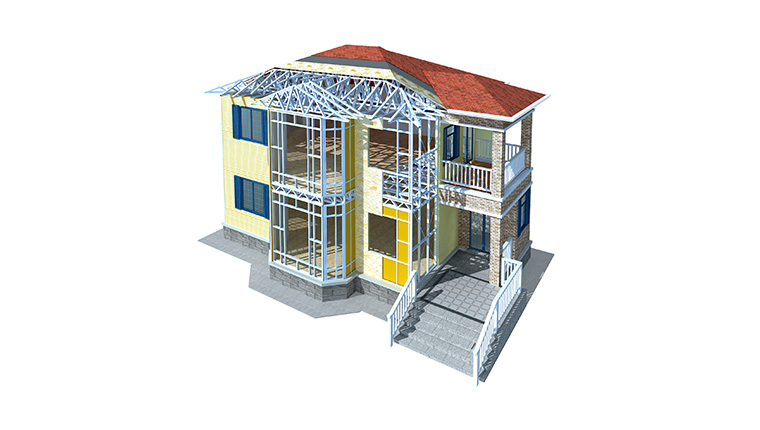
The application of sustainable modular construction extends to commercial buildings, apartments, hotels, and offices. Light steel module products adopt through-column design for reasonable structural stress performance and integrated modular design for simple, fast installation. These products can be fully prefabricated in the factory and hoisted on site, or semi-prefabricated and assembled on site.
Light steel villas represent the application direction of high-end housing in camp construction and future civil buildings. Customers can customize layout and decoration style during the design stage, with building materials selected based on specific climate regions. Compared with traditional villas, this approach greatly reduces construction cycles and environmental pollution on construction sites.
Specialized Applications
Modular houses demonstrate excellent performance in sports events, military assistance, and emergency response scenarios. Due to modular design, the standard rectangular appearance allows horizontal and vertical combinations that can be separated into individual rooms or connected into rows. Wall panels can be replaced with guardrails to form viewing corridors meeting various needs such as event broadcasting.
In military and emergency applications, stable structure, convenient disassembly and assembly, and comfortable living are outstanding characteristics. Standard modular housing can be integrated and packaged efficiently—five sets of housing can be reduced to a standard 20-foot box size, ensuring installation efficiency while greatly saving transportation costs.
Emerging Technologies and Future Trends
Digital Integration and Smart Building Systems
The future of sustainable modular construction increasingly involves digitalization and Building Information Modeling (BIM) integration. Computer-aided design tools enable real-time project visualization, supply chain tracking, and predictive maintenance scheduling. BIM and digital design tools enable more precise planning and coordination between off-site fabrication and on-site assembly.
Automation and robotics in factories are accelerating production timelines and ensuring consistent quality control. Internet of Things (IoT) applications leverage real-time data to achieve sustainability goals, though full-scale automated Digital Twin implementation remains an area for future development. Machine learning and artificial intelligence applications for sustainable modular construction strategies represent underexplored opportunities with significant potential.
Net-Zero and Circular Economy Advancement
The evolution toward net-zero energy designs represents a significant trend in sustainable modular construction. As renewable energy becomes more affordable, more prefab houses will be self-sustaining and independent of traditional utilities. Integration of solar panels, wind turbines, geothermal heating systems, and passive solar design enables modular buildings to approach or achieve net-zero energy consumption.
Circular economy models are advancing, with prefab homes designed for easy disassembly, relocation, and recycling to ensure minimal waste at end-of-life. This approach represents the culmination of sustainable thinking—buildings that not only minimize environmental impact during construction and operation but also contribute to resource conservation when their useful life in one location concludes.
Overcoming Implementation Challenges
Addressing Initial Barriers
Despite numerous advantages, sustainable modular construction faces certain implementation challenges that must be addressed for wider adoption. High initial costs and investment requirements can create barriers, particularly in developing markets. Transportation logistics for large modules must be carefully planned, with consideration for route restrictions and site access.
Design flexibility limitations compared to fully custom on-site construction require creative solutions. Standardization and dimensional coordination across supply chains need development. Some markets experience a lack of experience among suppliers, designers, and construction teams regarding modular methods.
Enabling Wider Adoption
Overcoming these challenges requires supportive policy frameworks, technological advancements, and industry collaboration. Policymakers should consider mandating BIM for modular construction projects, offering financial incentives, and establishing research and development centers to foster innovation. Contractors and consultants are encouraged to adopt BIM comprehensively and engage in pilot modular construction projects to strengthen technical capacity.
International knowledge transfer and demonstration projects help build local expertise and confidence in modular methods. As the industry matures and economies of scale increase, initial cost barriers diminish while quality and customization capabilities improve.
Conclusion: Building a Sustainable Future
Sustainable modular construction represents far more than an incremental improvement over traditional building methods—it constitutes a fundamental transformation in how humanity approaches construction. By reducing waste by up to 90%, cutting carbon emissions by 30-40%, decreasing energy consumption by up to 67% during construction, and delivering operational energy savings of 30-60%, this approach addresses the construction industry's most critical environmental challenges.
The evidence from implementations worldwide, including projects by Chengdong Modular House, demonstrates that environmental responsibility and practical efficiency are not competing priorities but complementary objectives. Sustainable modular construction delivers faster project completion, enhanced quality, cost efficiency, and superior environmental performance simultaneously.
As urbanization accelerates globally and climate imperatives intensify, sustainable modular construction offers a proven pathway toward greener, more resilient urban infrastructure. The technology, methodologies, and successful implementations already exist—the challenge now lies in scaling adoption through supportive policies, continued innovation, and industry commitment to sustainability goals that benefit both present communities and future generations.




 More
More













![Top Advantages of Modular Construction Explained [2025]](/uploads/upload/images/20250424/0fb390068474145a09a8c0504c73b1d2.png)
 May 09, 2025