Introduction
In the rapidly evolving landscape of global construction, infrastructure, mining, and energy sectors, the need for reliable, comfortable, and scalable workforce housing has never been greater. Remote project sites often present daunting logistical challenges, making traditional construction methods impractical, time-consuming, and cost-prohibitive. This is where professional modular work camps builders step in to revolutionize the way organizations accommodate their essential personnel.
Modular work camps builders specialize in designing, manufacturing, and deploying prefabricated housing solutions that can be rapidly assembled in even the most isolated and unforgiving environments on the planet. By shifting the bulk of the construction process to a controlled factory setting, these innovative builders enssure unparalleled quality control, drastically reduced timelines, and significant cost savings. Whether you are managing an offshore oil drilling operation, a high-altitude mining site, or a large-scale international infrastructure project, partnering with the right modular builder is the key to ensuring your workforce remains safe, comfortable, and productive.
In this comprehensive guide, we will explore everything you need to know about modular work camps, the critical role of specialized builders, the industries that rely on them, and why leading providers like Chengdong Modular House are setting the global standard for excellence in prefabricated engineering camps.
What Are Modular Work Camps?
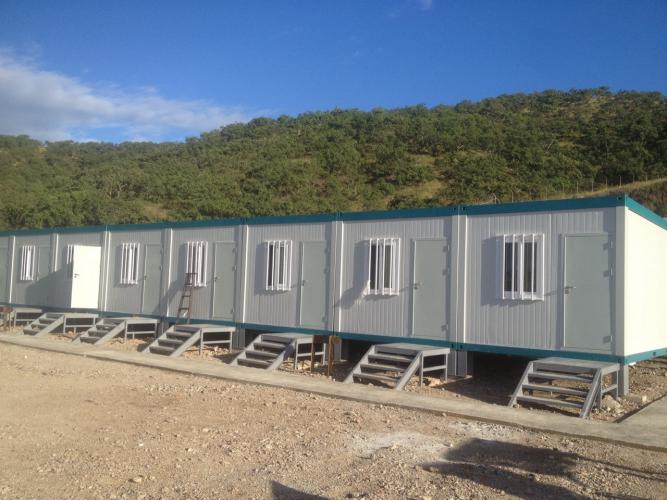
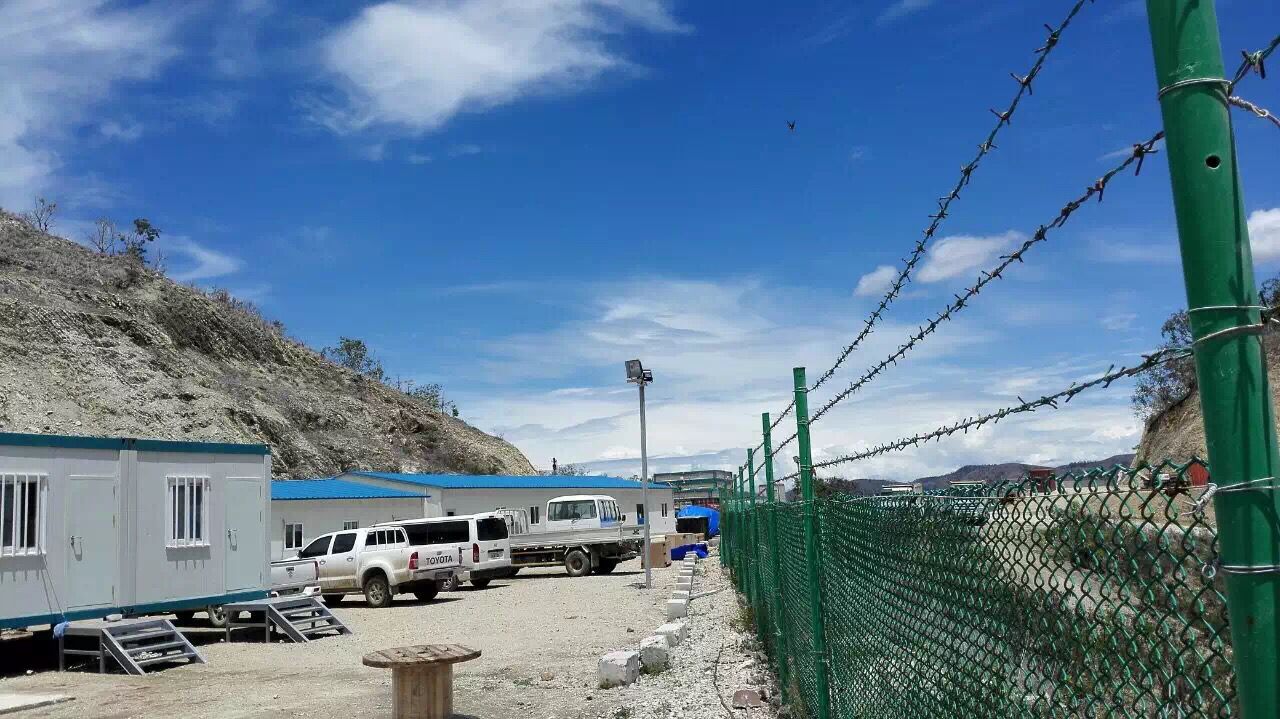
To truly appreciate the value brought by modular work camps builders, it is essential to understand what these camps actually entail. A modular work camp, often referred to as a "man camp" or workforce housing facility, is a self-contained community built primarily from prefabricated modular units. These units are engineered and manufactured off-site in highly specialized facilities before being transported to the project location for final assembly and installation.
A modern modular work camp is far more than just a collection of sleeping quarters. It is a comprehensive, fully functional mini-city designed to support the daily lives of hundreds or even thousands of workers. Depending on the scale and requirements of the specific project, a modular work camp typically includes:
Accommodation Modules: Ranging from basic dormitory-style rooms to private, high-end executive suites, ensuring comfort for all levels of staff.
Dining and Catering Facilities: Large-scale commercial kitchens, food storage areas, and expansive dining halls capable of serving high-quality meals to massive workforces efficiently.
Sanitary and Hygiene Facilities: Fully equipped communal or private ablution blocks, featuring showers, toilets, and heavy-duty laundry facilities.
Recreation and Leisure Areas: Gyms, indoor game rooms, television lounges, and outdoor sports courts to promote worker well-being and mental health.
Administrative and Office Spaces: On-site management offices, high-tech conference rooms, and training centers equipped with modern communication infrastructure.
Health and Safety Units: First aid stations, comprehensive medical clinics, and sometimes even isolation wards to handle on-site medical emergencies.
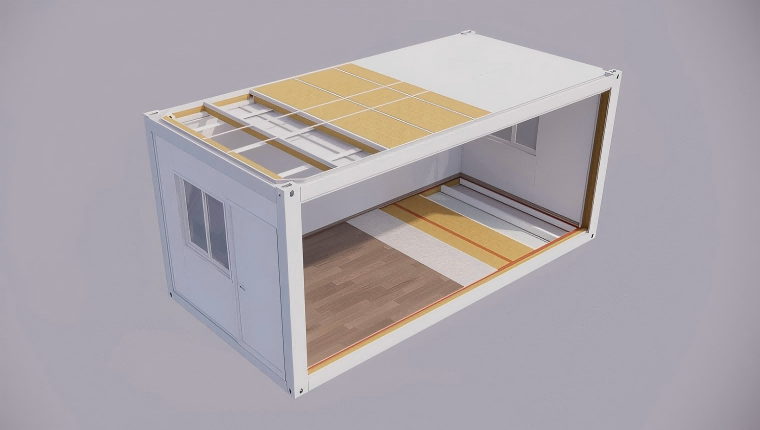
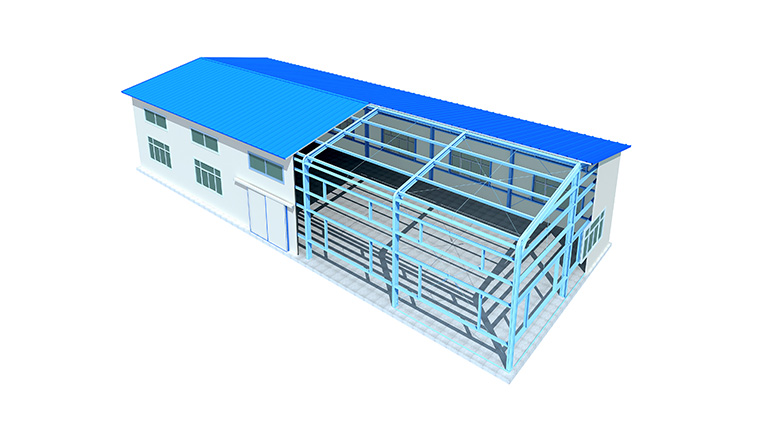
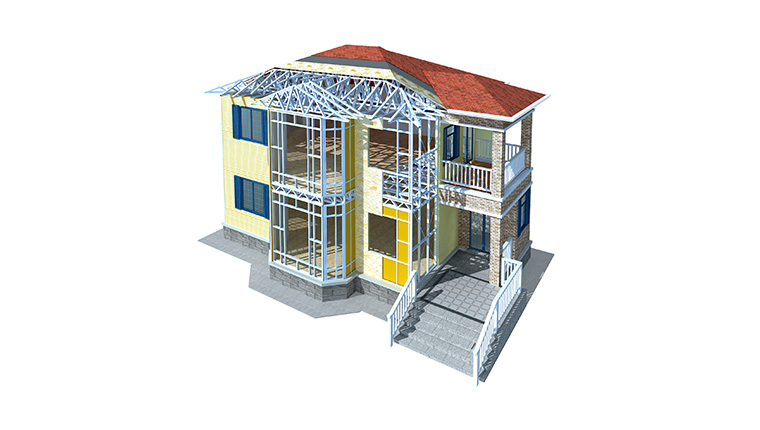
By utilizing standardized yet highly customizable modules—such as container houses, flat-pack units, and light steel structures—modular work camps builders can create these complex micro-cities in a fraction of the time required by traditional brick-and-mortar construction.
The Vital Role of Professional Modular Work Camps Builders
Constructing a remote workforce camp is a massive undertaking that requires highly specialized knowledge, precise engineering, and flawless logistical execution. Professional modular work camps builders do not simply manufacture boxes; they provide end-to-end solutions that guarantee the success of a project's housing infrastructure.
Engineering and Customization
Top builders employ vast teams of architects and structural engineers who design modules specifically tailored to withstand the unique environmental challenges of a project site. Whether the camp needs to endure the freezing temperatures of the Arctic, the corrosive salt air of a coastal region, or the intense heat and sandstorms of a desert, expert builders select the appropriate insulation, structural steel grades, and exterior claddings to ensure longevity and safety.
Streamlined Logistics
One of the most complex aspects of establishing a remote camp is logistics. Leading modular work camps builders excel in packing and shipping. For instance, flat-pack container houses are designed so that multiple units can be stacked and shipped within standard ocean freight containers, dramatically reducing shipping volumes and transportation costs. Once at the port, these builders coordinate the complex inland logistics required to deliver the modules to isolated sites.
Rapid On-Site Assembly
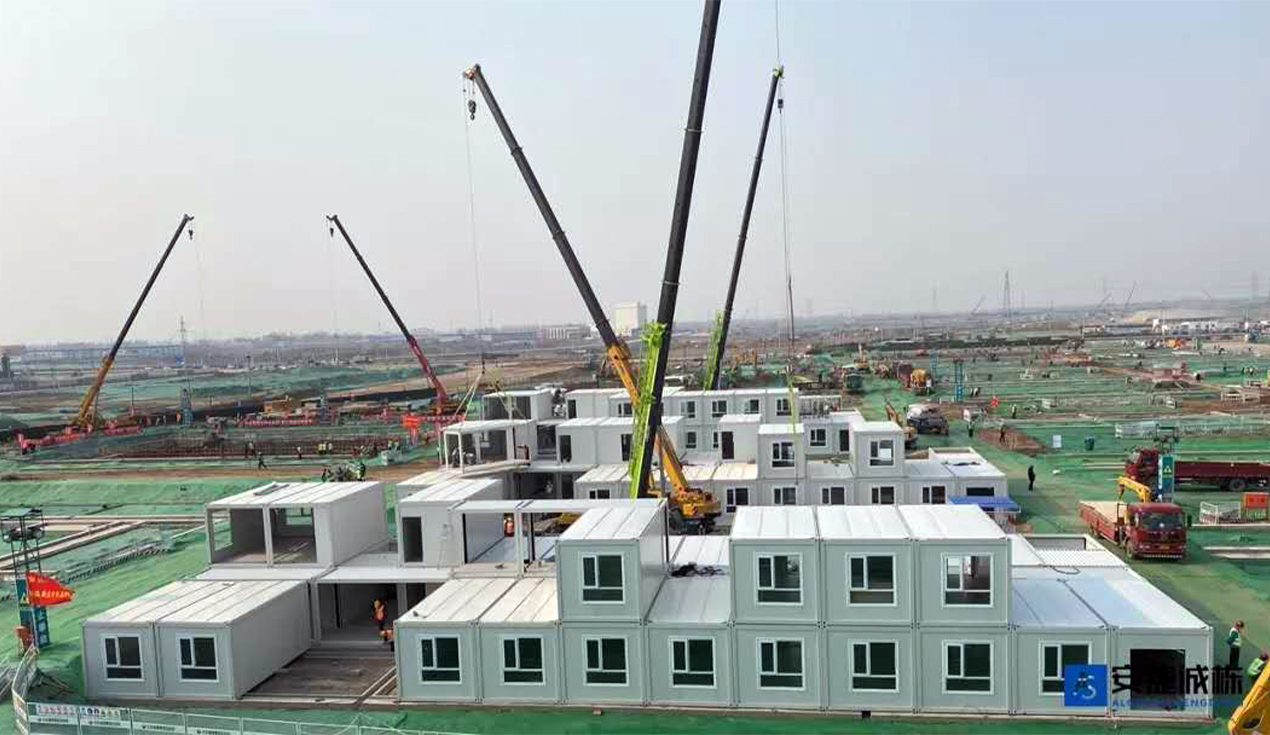
Because up to 90% of the building's construction (including electrical wiring, plumbing, and interior finishing) is completed in the factory, the on-site work is primarily limited to foundation preparation and the bolting together of the modules. Professional builders either provide dedicated installation teams or dispatch highly experienced supervisors to guide local labor, ensuring the camp is operational exactly on schedule.
Key Benefits of Utilizing Modular Construction for Work Camps
The global shift toward prefabricated workforce housing is driven by several compelling advantages. Organizations that partner with top modular work camps builders routinely experience benefits that positively impact their bottom line and operational efficiency.
Unmatched Speed and Efficiency
Time is money, especially in large-scale industrial projects. Traditional construction is subject to weather delays, local labor shortages, and material supply chain disruptions. In contrast, modular construction occurs indoors in a climate-controlled factory simultaneously with on-site foundation work. This concurrent schedule allows modular work camps builders to deliver completed facilities up to 50% faster than conventional methods, enabling the primary project to commence operations and generate revenue much sooner.
Significant Cost-Effectiveness
Modular work camps offer profound financial benefits. The controlled factory environment minimizes material waste, reduces the likelihood of costly rework, and optimizes labor efficiency. Furthermore, because the modules are designed for easy assembly, the need for highly skilled, expensive local tradespeople at the project site is vastly reduced. Most importantly, modular camps are relocatable assets. Once a project concludes, the modules can be disassembled, transported, and repurposed at a new site, amortizing the initial capital investment over multiple projects and years of use.
Superior Quality and Durability
Reputable modular work camps builders adhere to stringent international quality control standards (such as ISO certifications and CE marks). The factory setting allows for rigorous inspections at every stage of the manufacturing process. The structural integrity of these units is generally superior to traditional buildings because each module must be engineered to withstand the immense dynamic stresses of transportation and crane-hoisting before it even arrives at the site.
Sustainability and Eco-Friendliness
The modern construction industry is increasingly focused on Environmental, Social, and Governance (ESG) criteria. Modular construction is inherently greener than traditional methods. Factory production reduces material waste by up to 90%. Furthermore, top builders utilize recyclable materials like steel, implement energy-efficient polyurethane (PU) or rock wool insulation, and design camps that leave a minimal ecological footprint on the project site. When the camp is removed, the land can easily be restored to its natural state.
Flexibility and Scalability
Project scopes frequently change. A camp initially designed for 500 workers may suddenly need to accommodate 1,000. Modular work camps builders offer unparalleled scalability. Expanding a camp is as simple as ordering additional modules and linking them to the existing infrastructure. Modules can be stacked vertically to save space or reconfigured internally to change a dormitory into an office space as project demands shift.
Major Industries Relying on Modular Work Camps Builders
The versatility and durability of prefabricated camps make them the housing solution of choice across a diverse array of global industries.
Mining and Mineral Processing
Mining operations are almost exclusively located in some of the most remote, inhospitable regions on earth, from the high altitudes of the Andes to the deep deserts of Africa. Mining companies rely heavily on modular work camps builders to provide rugged, heavily insulated housing that protects workers from extreme weather while offering high-quality living conditions to aid in staff retention.
Oil and Gas Extraction
Whether it is an onshore drilling rig or an expansive Liquefied Natural Gas (LNG) processing facility, the oil and gas industry requires rapid deployment of workforce housing. These camps must often meet strict industry safety standards, including blast resistance and advanced fire suppression capabilities. Top builders deliver specialized modules that cater directly to the stringent health and safety requirements of the energy sector.
Large-Scale Infrastructure and Construction
Major infrastructure projects—such as building cross-country railways, international airports, hydroelectric dams, and expansive highway networks—require massive, temporary labor forces. EPC (Engineering, Procurement, and Construction) contractors partner with modular work camps builders to set up vast housing networks that move seamlessly alongside the progressing construction phases of linear infrastructure projects.
Military, Peacekeeping, and Emergency Relief
When natural disasters strike or military deployments occur, immediate shelter is a critical necessity. Modular work camps builders supply rapid-response housing, mobile hospitals, and command centers that can be airlifted or trucked into crisis zones and erected in a matter of hours or days, providing safe havens in highly volatile situations.
Why Choose Chengdong Modular House as Your Builder?
When evaluating modular work camps builders, experience, manufacturing capacity, and a proven track record are paramount. Chengdong Modular House has established itself as the premier global leader in the prefabricated engineering camp sector.
Decades of Global Experience
With a rich history spanning decades, Chengdong has successfully delivered over 4,000 projects across more than 100 countries. This immense global footprint means that Chengdong's engineers deeply understand the specific regulatory, logistical, and environmental nuances of nearly every region on the planet. From the blistering heat of the Middle East to the freezing tundras of Russia, Chengdong has a proven solution.
Massive Manufacturing Capacity
To meet the demanding timelines of mega-projects, a builder must have the physical capacity to produce quickly. Chengdong boasts an expansive, state-of-the-art manufacturing facility covering tens of thousands of square meters. This immense scale allows them to produce an astounding volume of units annually—ensuring that even the largest camp orders are fulfilled without bottleneck delays.
The Innovative 5S360 Service Model
What truly sets Chengdong Modular House apart from standard modular work camps builders is their proprietary "5S360" service model. This all-encompassing approach provides clients with a seamless, worry-free experience:
Survey: In-depth site analysis and needs assessment.
Scheme: Rapid 48-hour customized architectural and engineering design.
Supply: High-quality, rapid factory production with rigorous quality control.
Site: Expert logistics management and precise on-site installation.
Service: Comprehensive after-sales support, maintenance, and facility management.
Commitment to Research and Development
Chengdong holds dozens of technical patents that address the specific pain points of remote housing. They have developed proprietary waterproofing systems for high-rainfall tropical areas, patented thermal break technologies for arctic cold resistance, and enhanced structural frames that can withstand severe hurricanes and seismic activity. By constantly investing in R&D, Chengdong ensures its products remain at the cutting edge of modular building technology.
Essential Features to Look for in a Modular Camp
When contracting modular work camps builders, procurement managers must ensure the proposed housing includes several critical features to guarantee worker safety and comfort.
Advanced Climate Control and Insulation
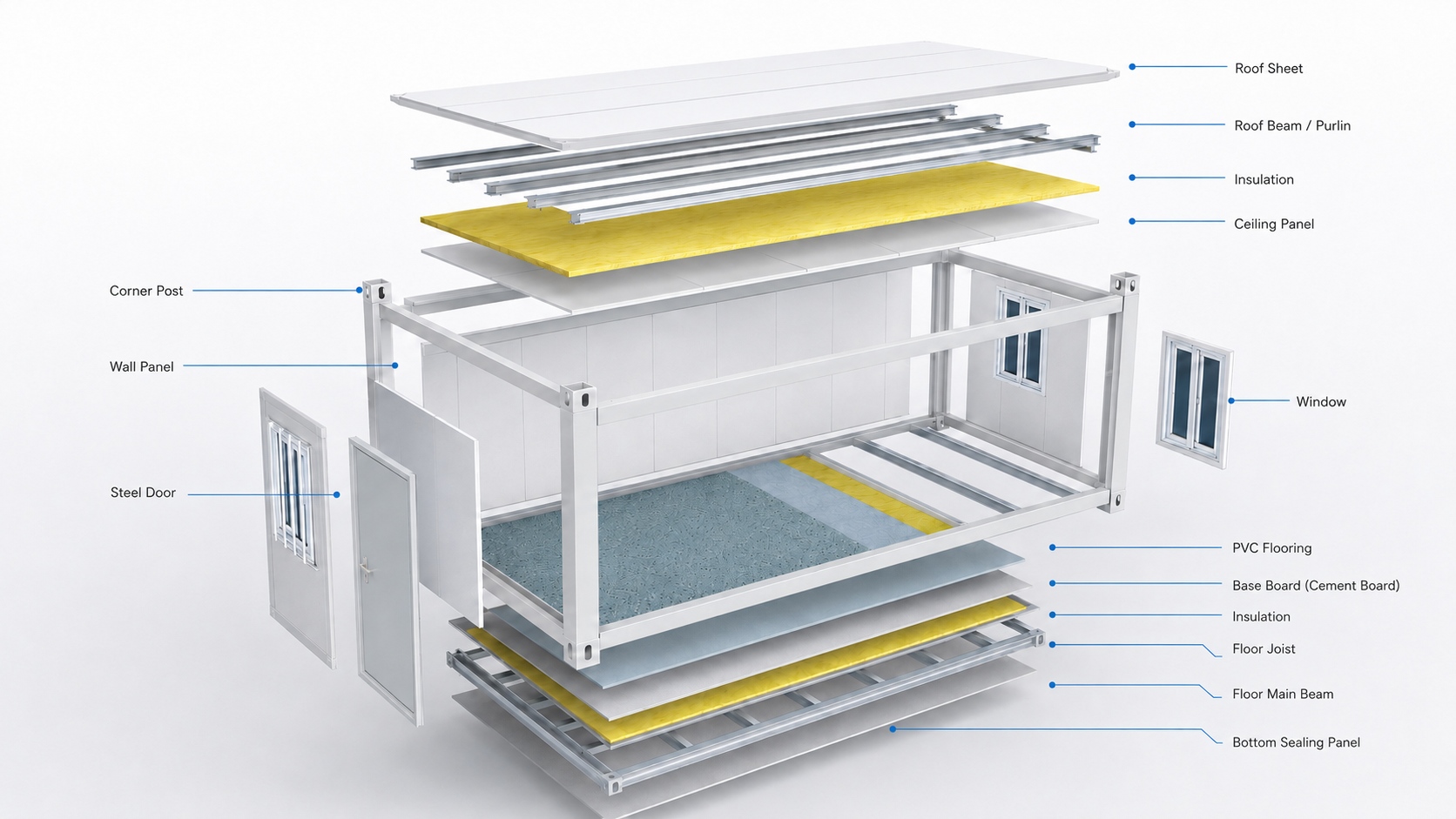
The quality of insulation dictates both the energy efficiency of the camp and the comfort of the residents. Top-tier modules utilize thick sandwich panels filled with high-density polyurethane (PU), EPS, or rock wool. This thermal wrapping keeps interiors cool in the summer and warm in the winter, drastically reducing the massive energy costs associated with running heavy HVAC systems in extreme climates.
Structural Integrity against Natural Disasters
Camps located in hurricane alleys or seismic zones require reinforced engineering. Leading builders utilize high-strength, hot-dip galvanized steel frames. Advanced connection techniques, such as heavy-duty bolting systems rather than on-site welding, ensure the buildings can flex safely during earthquakes and resist the uplifting forces of cyclonic winds.
Comprehensive Amenities for Worker Retention
In today's competitive labor market, the quality of life provided at remote sites directly impacts a company's ability to attract and retain skilled labor. The best modular work camps builders design facilities that mimic the comforts of home. This includes designing spaces with excellent acoustic insulation for quiet sleeping, abundant natural light, robust internet connectivity infrastructure, and expansive recreational facilities.
The Turnkey EPC Approach in Modular Camp Building
For large multinational corporations and major contractors, dealing with multiple vendors for housing design, manufacturing, shipping, and installation is a massive logistical headache. The industry's best modular work camps builders, like Chengdong Modular House, operate as true EPC (Engineering, Procurement, and Construction) contractors for the camp sector.
Under a turnkey EPC contract, the builder takes full responsibility for the entire lifecycle of the camp creation. The client simply provides the specifications, the site location, and the required capacity. The modular builder handles everything else: from architectural blueprints and factory fabrication to international freight forwarding, customs clearance, site grading, utility hookups, and final building assembly. Upon completion, the builder simply hands the keys over to the client, delivering a fully operational mini-city ready for immediate occupancy.
Global Success Stories: Proof of Concept
The true measure of any modular work camps builders' capability lies in their portfolio of completed projects. Chengdong's extensive catalog of global success stories perfectly illustrates the adaptability and resilience of their modular solutions.
Bahamas Island Resort Camp
Operating in a highly corrosive coastal environment prone to severe hurricanes, Chengdong engineered a massive 53,000+ square meter camp in the Bahamas. To combat the extreme weather, Chengdong utilized customized, weld-free bolted structures and a patented roof groove connection system that dramatically improved wind resistance and waterproofing. The camp successfully withstood actual hurricane conditions, proving the exceptional structural integrity of Chengdong’s engineering.
Mozambique Katembe Bridge Camp
For the construction of the Katembe Bridge in Maputo, a rapid deployment was essential. Chengdong utilized a semi-permanent light steel structure to build a nearly 10,000 square meter camp. Drawing inspiration from traditional courtyard layouts, the design facilitated excellent communication among the workforce. Impressively, Chengdong’s rapid response capabilities allowed a massive 3,000-person conference facility to be erected in just 15 days, ensuring the project schedule remained entirely on track.
Algeria Gamma Grand Mosque Camp
Demonstrating the ultimate flexibility of modular design, Chengdong deployed over 300 highly integrated container houses for the Grand Mosque project in Algiers. The standardized modules were easily configured and combined to create diverse spaces, from functional offices to hygienic bathroom blocks. The rapid hoisting and installation process eliminated the need for complex secondary on-site decoration, showcasing the efficiency of pure modular construction.
The Future of Modular Workforce Housing
As we look toward the future, the role of modular work camps builders will only continue to grow. Driven by a global push toward zero-carbon emissions and sustainable ESG practices, builders are increasingly integrating renewable energy solutions—such as solar roof panels and advanced water recycling systems—directly into the modular units.
Furthermore, the integration of smart-home technology and Internet of Things (IoT) sensors will allow camp operators to remotely monitor energy usage, HVAC efficiency, and structural health in real-time. As the global demand for energy, minerals, and infrastructure expands into increasingly remote and challenging territories, the high-tech, rapid-deployment solutions provided by innovative modular builders will remain the critical backbone of global industrial progress.
Conclusion
The construction of a remote workforce camp is a high-stakes endeavor that directly influences the success, safety, and profitability of major industrial projects. By leveraging the expertise of top modular work camps builders, organizations can bypass the inherent risks, delays, and exorbitant costs associated with traditional construction methods.
From rapid factory production and global logistical mastery to turnkey EPC execution and customized environmental engineering, professional builders provide unparalleled value. If you are planning an upcoming infrastructure, mining, or energy project and require world-class workforce housing, partnering with an industry titan is essential. Discover how Chengdong Modular House can deliver a tailored, high-performance modular camp solution that meets your exact needs, anywhere in the world.




 More
More











![Top Advantages of Modular Construction Explained [2025]](/uploads/upload/images/20250424/0fb390068474145a09a8c0504c73b1d2.png)
 May 09, 2025