
Tel / Whatsapp:+86 18001125785

Email:chengdong@cdph.com.cn

INQUIRY→
Guandong Shenshan Luyue Island Cultural Tourism Project

Guandong Shenshan Luyue Island Cultural Tourism Project

Home/

Case Center/

Modular Construction Examples: Guandong Shenshan Luyue Island Cultural Tourism Camp Project/

Modular Construction Examples: Guandong Shenshan Luyue Island Cultural Tourism Camp Project

Modular Construction Examples: Guandong Shenshan Luyue Island Cultural Tourism Camp Project

Project Overview

Area:

Asia / China

Room Type:

Modular House Light steel module/villa Tourism House

Field:

Culture and Tourism

Area:

100-1000㎡

Scenes:

Hotels and Homestay Leisure

Time:

2022year

Project Features:

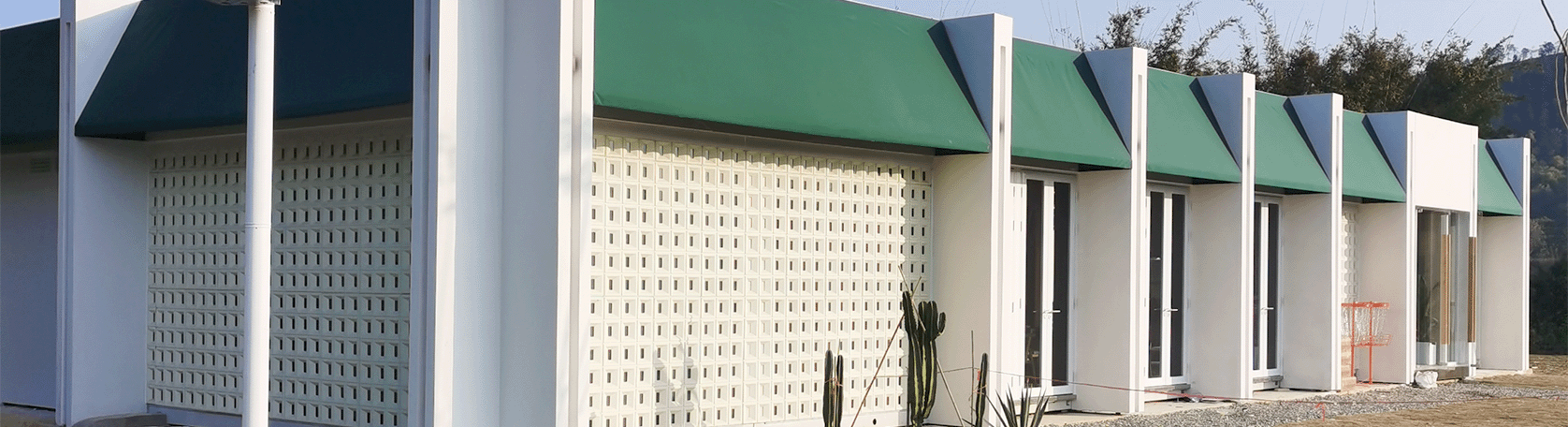
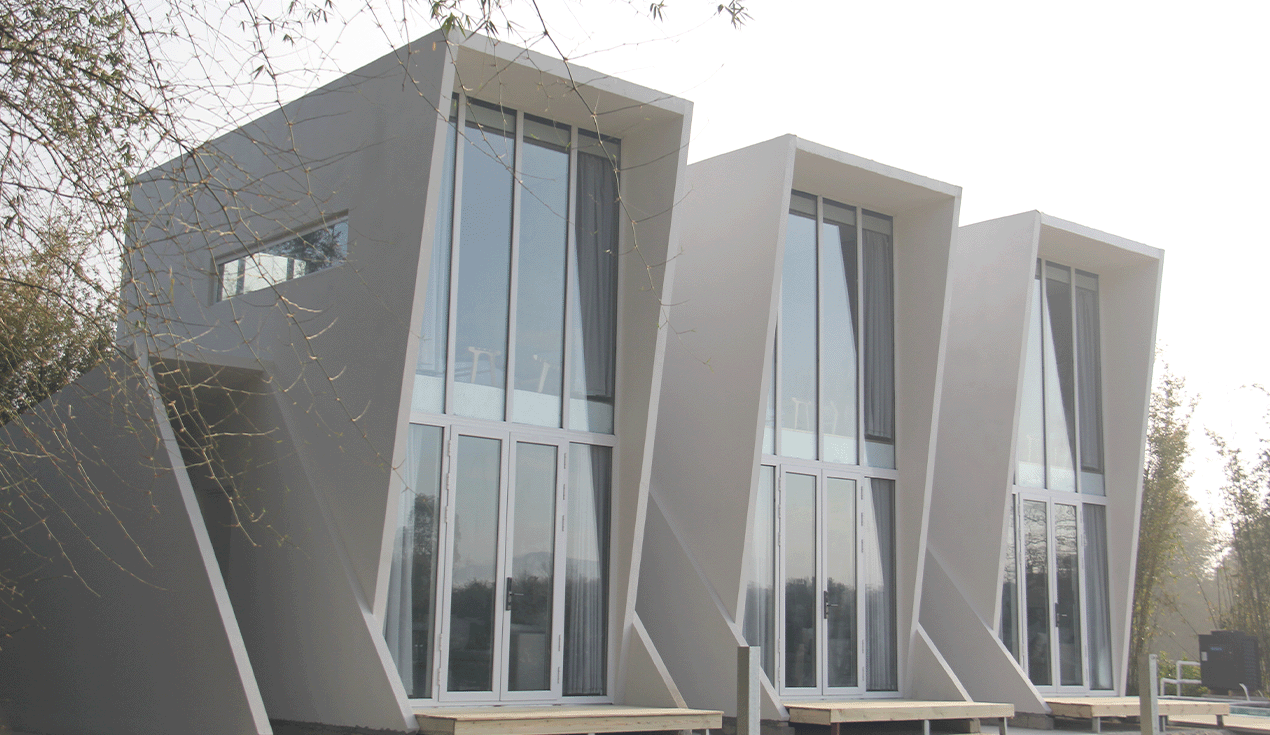
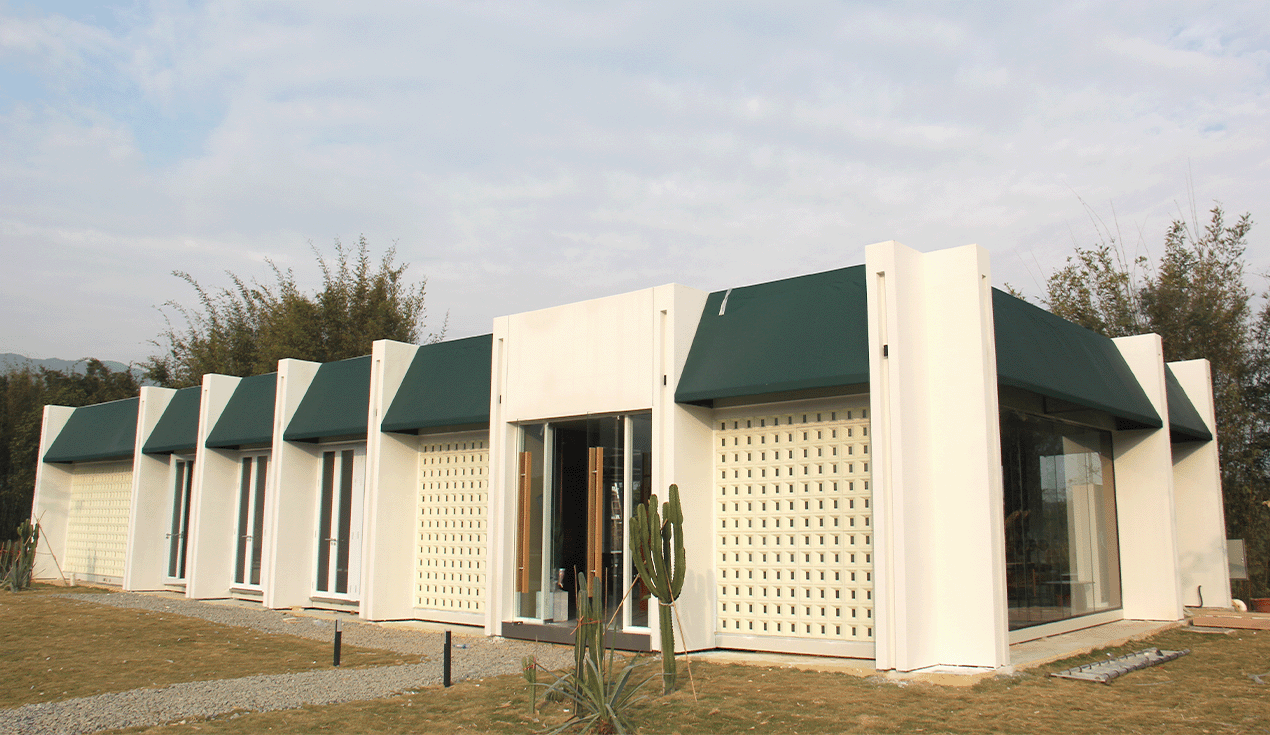
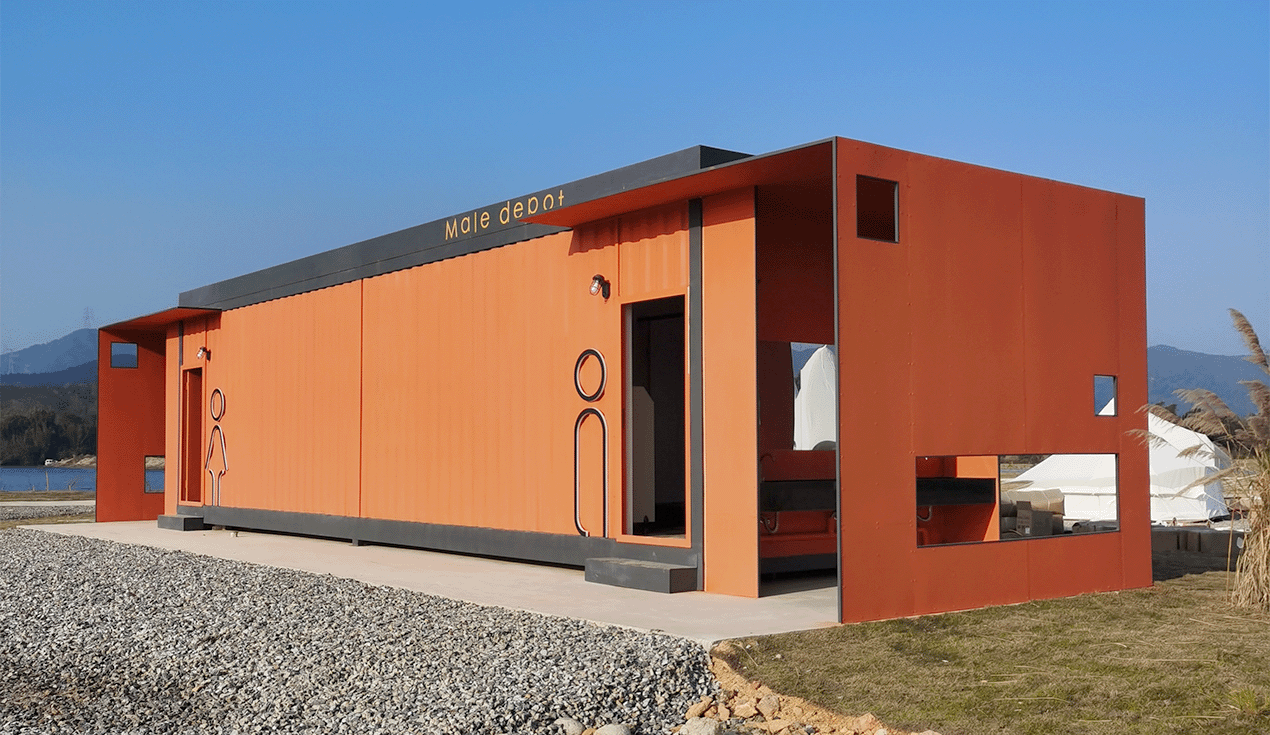
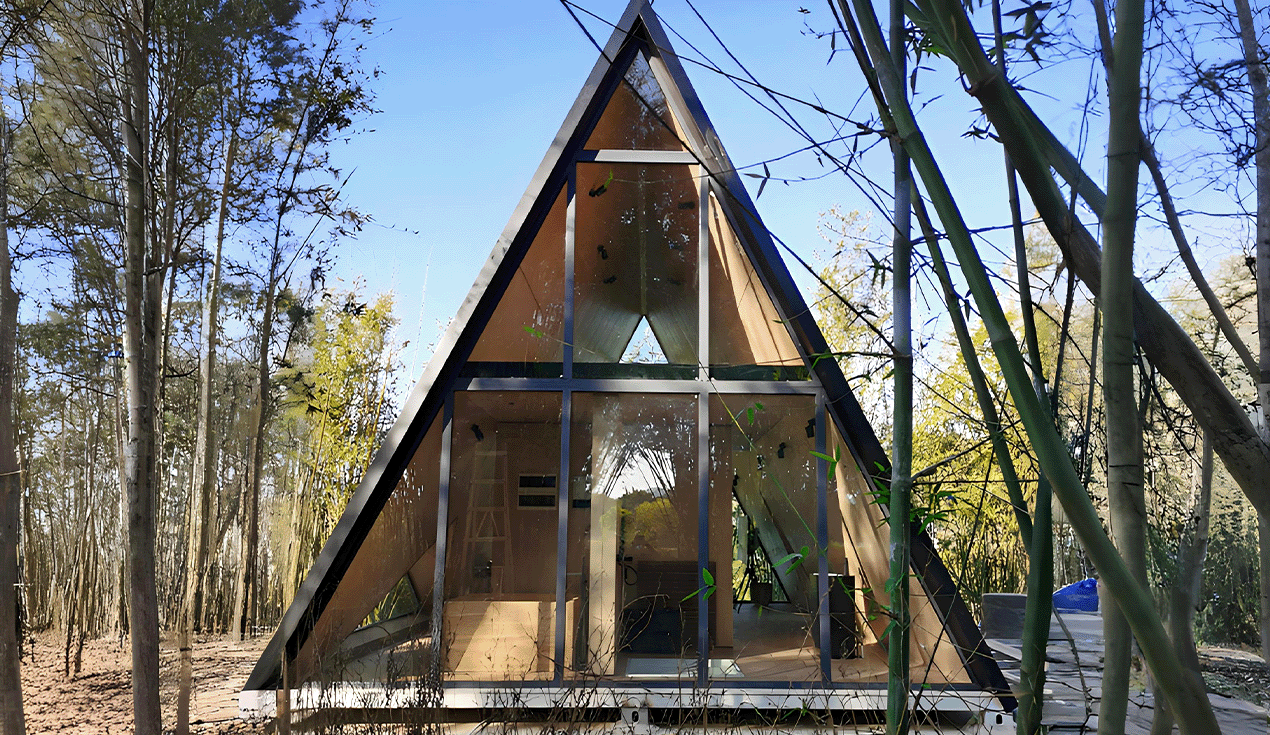
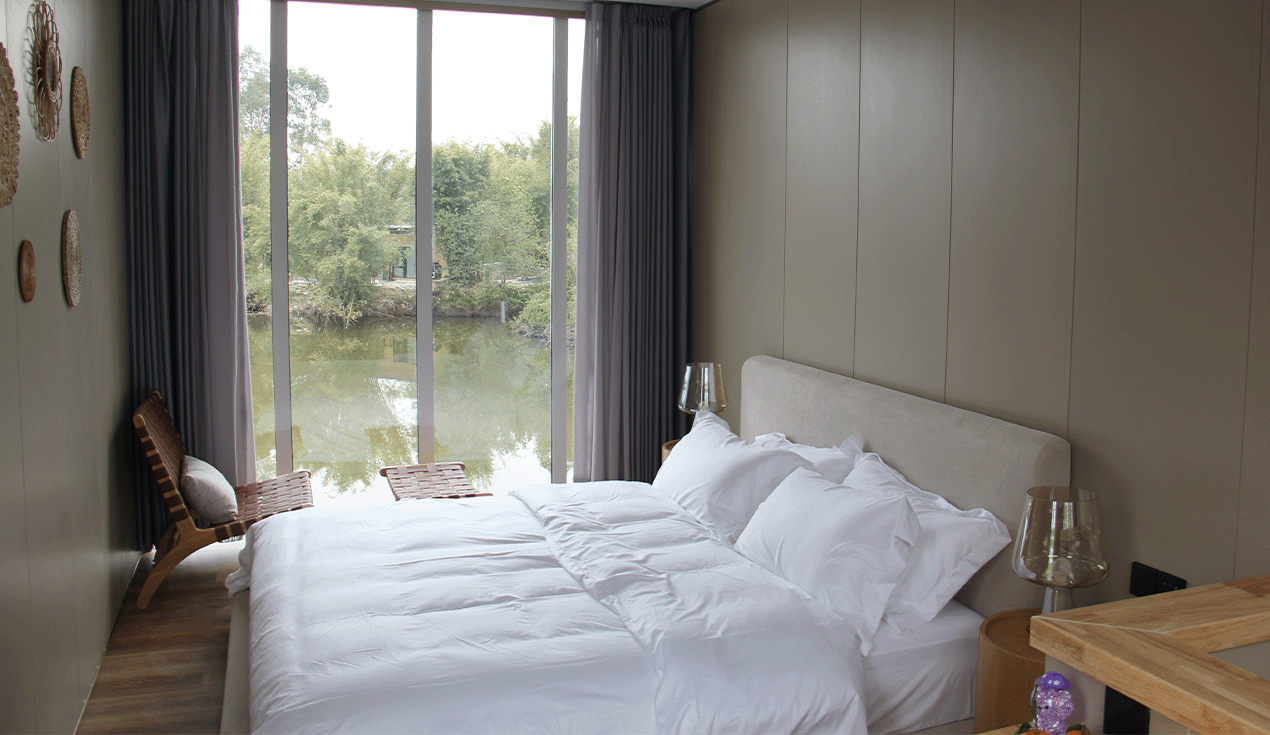
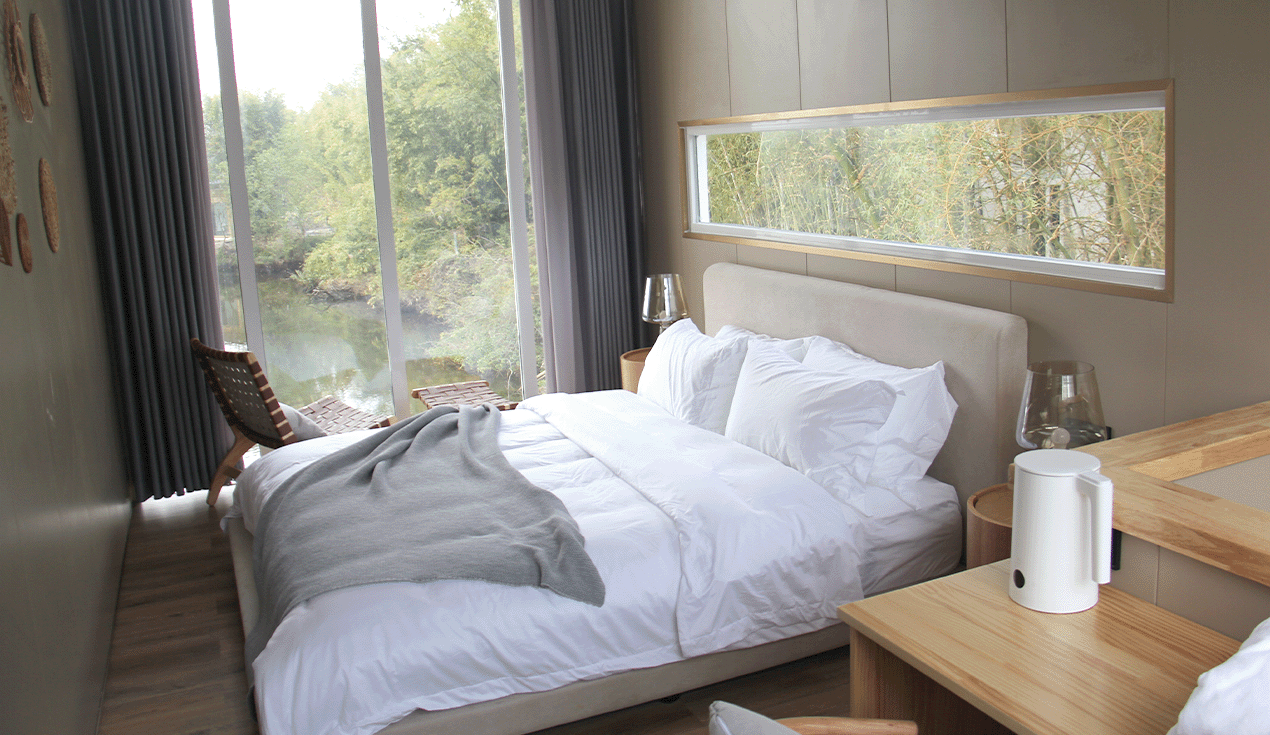
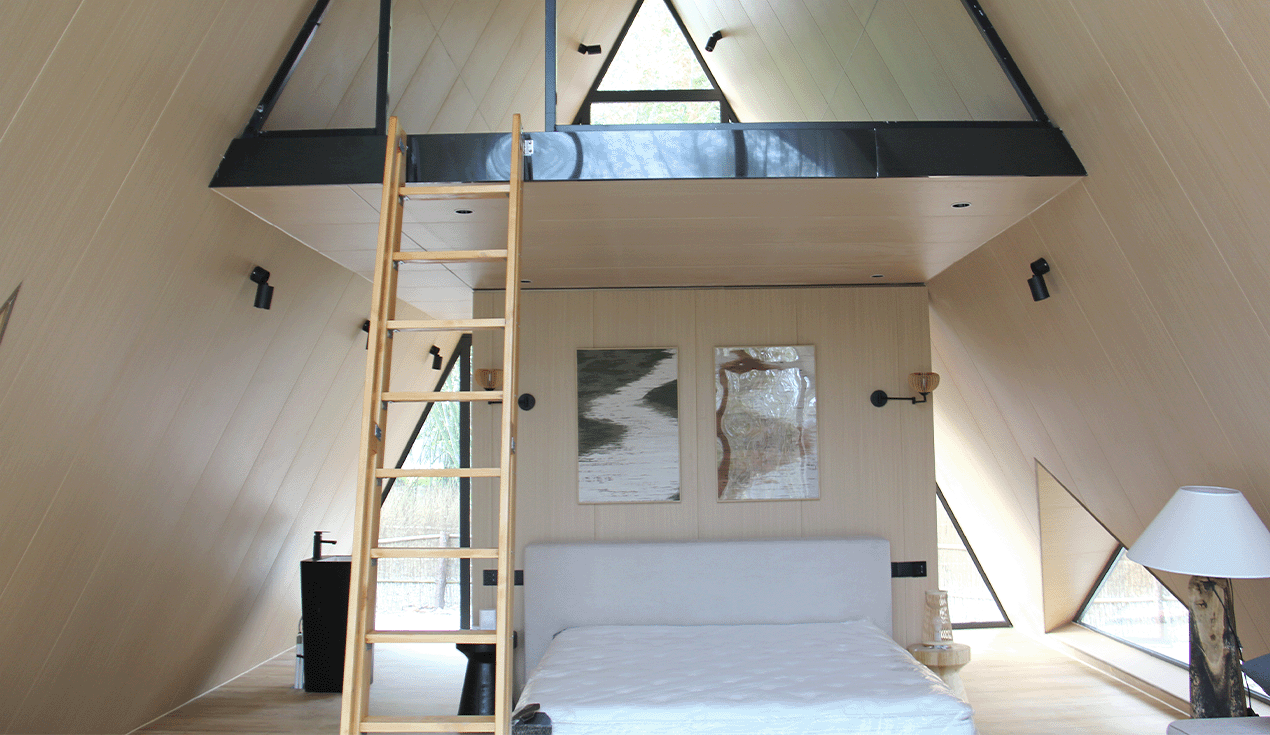
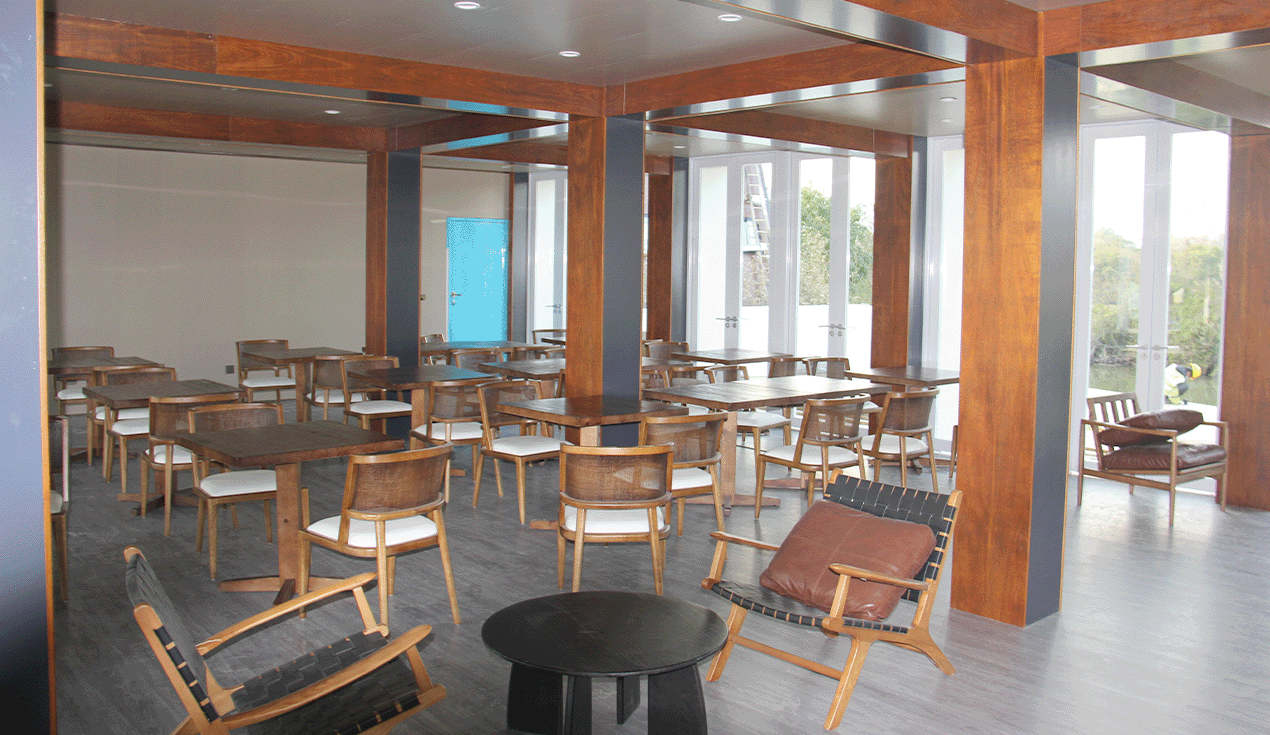
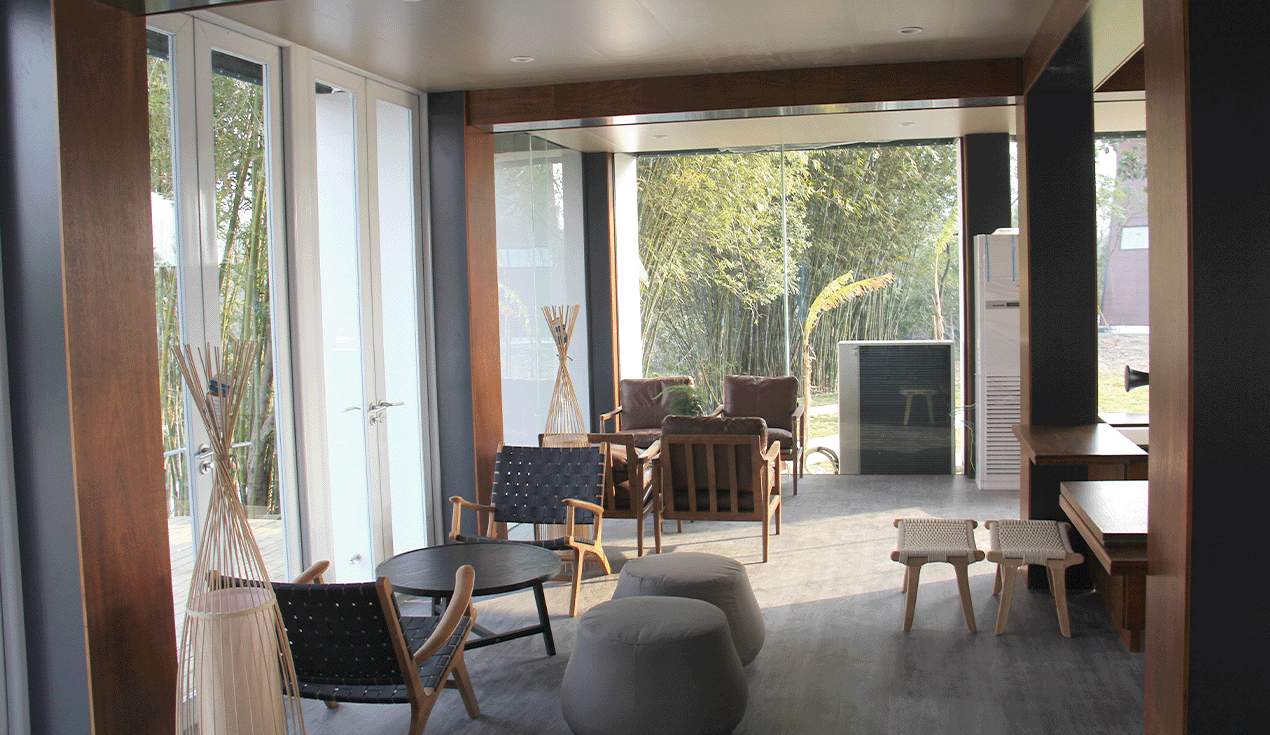
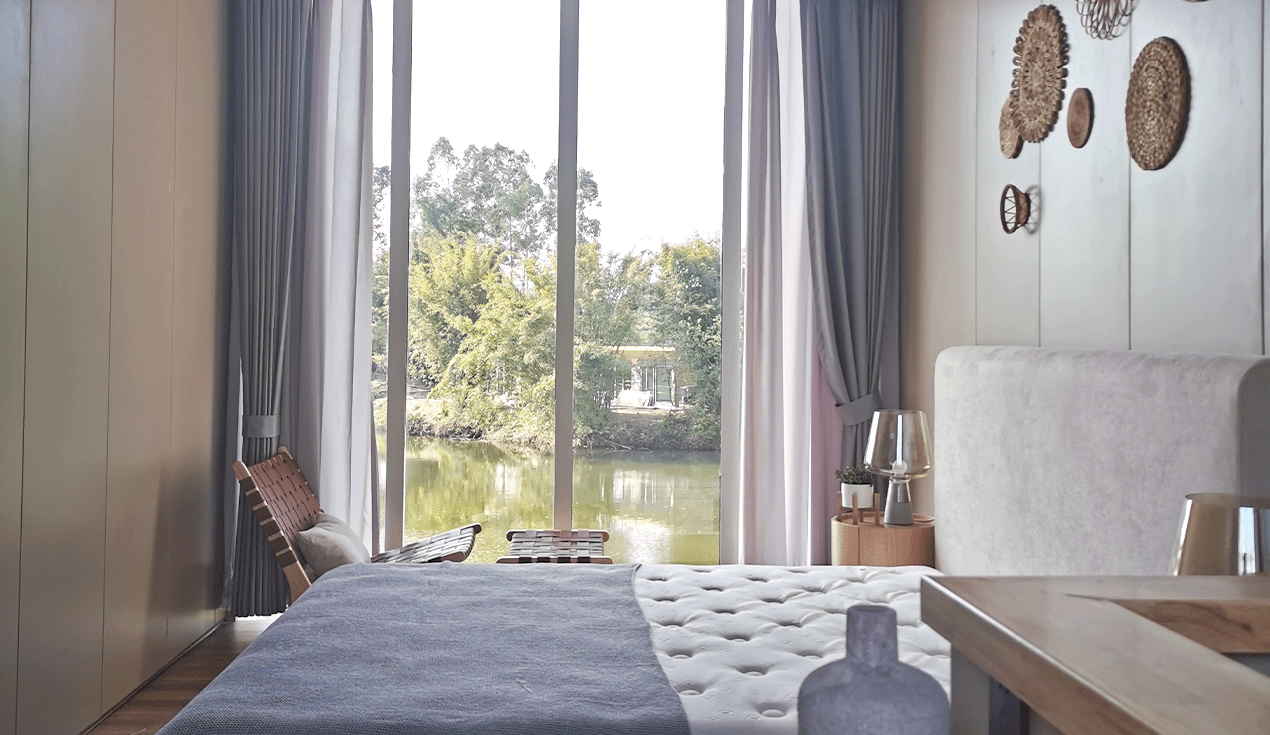
1. This project adopts a hybrid modular system combining modular container houses, light steel modules, triangle houses and apple cabins to create multi-scenario application spaces, including accommodation zones, leisure and entertainment areas, service centers and management buildings, within one integrated cultural tourism camp.

2. By adopting an industrialized construction mode of factory prefabrication, integral hoisting and on-site mechanical assembly, the project achieves rapid delivery and a fully controllable construction schedule, significantly reducing on-site installation workload and construction risks while minimizing disturbance to the surrounding environment.

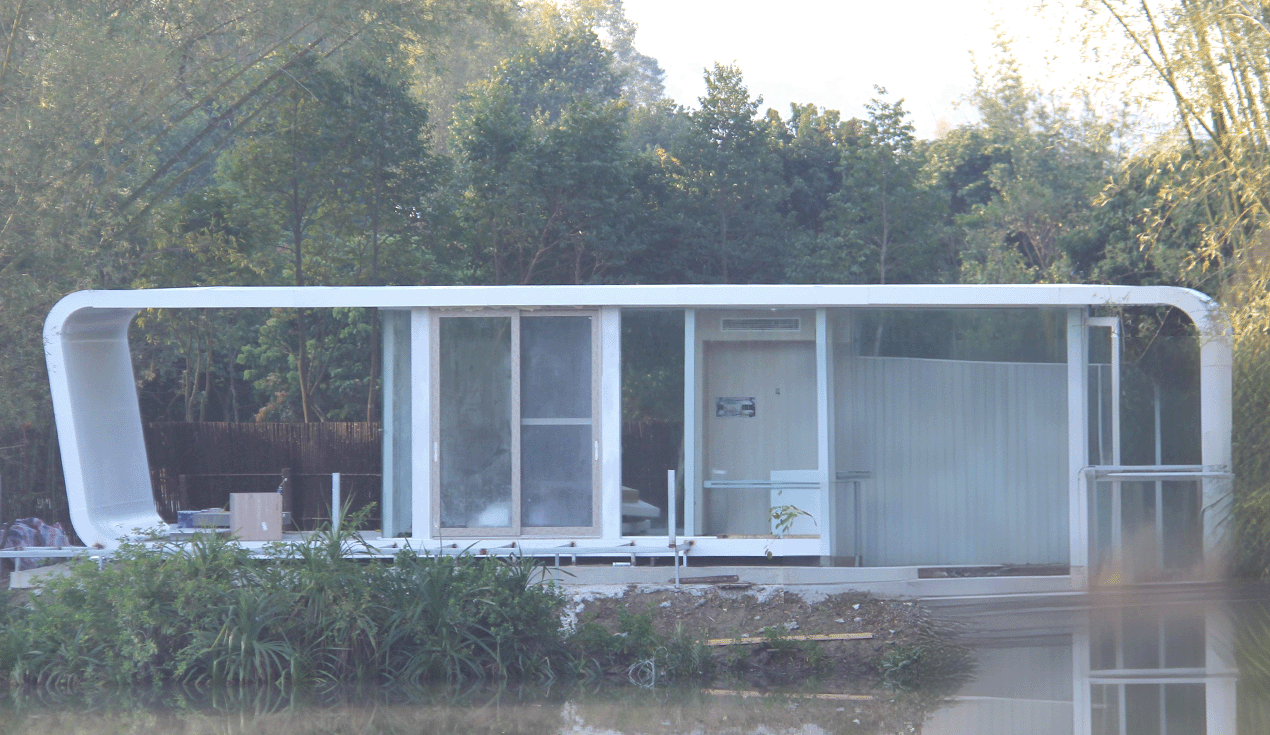
3. The modular solution is engineered for natural terrains such as slopes, lakesides and woodlands, requiring no large-scale excavation or land leveling; buildings are elevated, positioned and detailed to follow local topography and views, achieving a high degree of integration with the natural landscape and constructing in harmony with the existing terrain and scenery.

4. Featuring fully movable and demountable modular units, the project avoids permanent changes to land attributes and does not occupy traditional construction land indicators, effectively addressing regulatory and land-use pain points commonly faced by cultural and tourism projects while enabling flexible asset deployment and future relocation.

Project Description

The Guandong Shenshan Luyue Island Cultural Tourism Camp Project is a representative case among modular construction examples for cultural tourism developments in complex natural environments. By combining modular container houses, light steel modules, triangular houses and apple cabins, the project creates integrated accommodation, leisure, service and management spaces with efficient delivery, terrain adaptability and low environmental impact.


Project Background


The project is planned for a natural setting characterized by slopes, lakesides and woodland conditions, which require a construction method that can respond to terrain rather than overwrite it. Instead of relying on conventional heavy civil construction, the development adopts modular building systems to create a tourism camp that preserves the natural landscape while still meeting commercial and operational requirements.


From the beginning, the development goal was not only to build guest accommodation, but also to establish a complete multi-scenario tourism destination with leisure, service and management functions. This makes the project more than a group of cabins; it is a coordinated modular camp system designed for long-term tourism operation and phased expansion.


Functional Planning


A core strength of the Guandong Shenshan Luyue Island Cultural Tourism Camp Project is its clear functional zoning. The project organizes space into accommodation areas, leisure and entertainment areas, service centers and management buildings, allowing guest experience, camp operation and backend management to function within one integrated masterplan.


This planning logic improves operational efficiency because public, private and service-oriented functions are separated yet connected through modular spatial planning.


For tourism operators, such zoning helps balance visitor circulation, privacy, staffing efficiency and future business upgrades without fundamentally changing the construction system.


Multi-product Modular System


The project adopts a combined form of multiple modular products, including modular container houses, light steel modules, triangle houses and apple cabins. This hybrid strategy is important because different product types can respond to different market and functional needs while remaining within a unified modular construction framework.


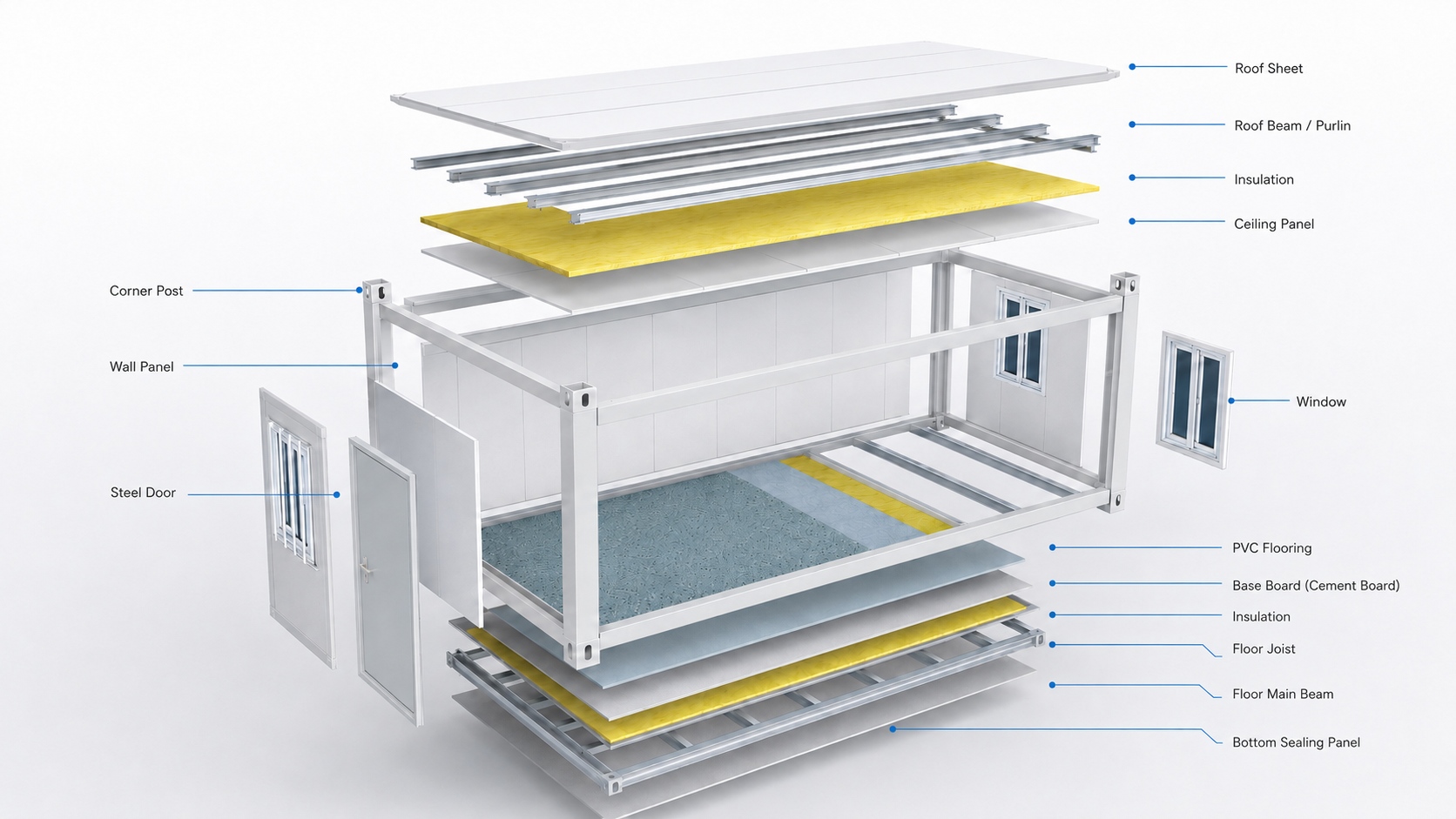
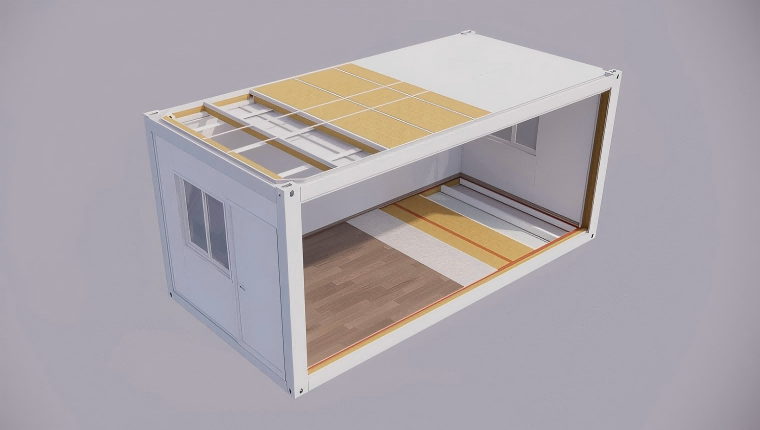
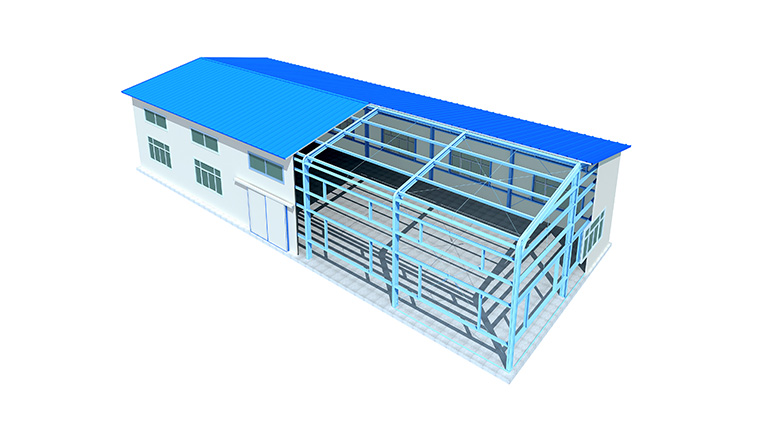
Modular container houses provide efficient and repeatable space for accommodation and service functions, while light steel modules support flexible architectural configurations. Triangle houses and apple cabins introduce stronger visual identity and experiential value, making the camp more attractive for cultural tourism and leisure-oriented guests seeking differentiated lodging products.


Industrialized Construction Method


The Guandong Shenshan Luyue Island Cultural Tourism Camp Project uses a construction model based on factory prefabrication, integral hoisting and on-site assembly. This method transfers a large part of the building process from the site to the factory, where structural components and modular units can be manufactured under more stable and controllable conditions.


Compared with traditional on-site construction, this approach significantly reduces the installation workload in the field and shortens the overall delivery cycle. For cultural tourism projects that often depend on opening windows, seasonal operation schedules and sensitive site conditions, a controllable construction period is a major commercial advantage.


Factory-based production also improves consistency in component quality, interface accuracy and installation efficiency. This industrialized logic is one of the main reasons the project can be treated as a high-value modular construction example rather than simply a temporary camp development.


Terrain Adaptability


One of the most technically significant features of this project is its strong adaptability to natural terrain. The camp is suitable for slopes, lakesides and wooded areas, and it does not require large-scale excavation or land leveling before construction.


This is particularly important in tourism development, where the landscape itself is part of the product value. By arranging buildings according to local terrain, elevation difference and scenery, the project integrates architecture with the surrounding environment instead of replacing it with a flattened artificial platform.


Such an approach reduces disturbance to vegetation, soil structure and drainage patterns while preserving the visual authenticity of the site.


For developers looking for modular construction examples in mountain resorts, eco-camps or scenic destinations, this terrain-sensitive strategy is one of the project’s strongest reference points.


Mobility and Demountability


The modular units used in the project are movable and demountable, which gives the camp a high degree of lifecycle flexibility. Buildings can be installed, dismantled, relocated or reconfigured according to changes in land policy, operating strategy or future development phases.


This characteristic is especially valuable in cultural tourism projects, where long-term land-use certainty is not always guaranteed and phased investment is often preferred. Because the project does not permanently change the nature of the land or occupy conventional construction land indicators, it addresses one of the most common pain points in tourism development.


From an asset perspective, mobility and demountability also improve the residual value of the buildings themselves.


Instead of becoming fixed, non-transferable structures, the modules remain reusable assets that can support future redeployment and more flexible capital planning.


Environmental and Operational Value


The project’s modular methodology helps reduce the environmental impact of construction by lowering the amount of wet work, on-site labor and heavy disturbance to the surrounding area.


This is aligned with broader low-impact and ESG-oriented development thinking that is becoming increasingly important in tourism and camp-based hospitality projects.


Operationally, the project benefits from standardized components, predictable maintenance logic and easier phased expansion.


Because the camp is made of modular systems rather than isolated custom-built structures, future additions or adjustments can be executed more efficiently and with lower coordination costs.


The overall result is a tourism camp solution that is not only fast to build, but also easier to manage, adapt and optimize over time.


That combination of speed, flexibility and environmental sensitivity is what makes this project a credible example for professional audiences searching for modular construction examples with real commercial application.


About Chengdong


Beijing Chengdong International Modular Housing Corporation is a specialized modular housing and rapid-installation building company that has delivered more than one thousand camp projects in over one hundred countries and provides integrated services covering planning, design, product supply, logistics and on-site construction. For readers who want to explore more project references and complete modular camp capabilities, visit Chengdong’s official website or review broader Chengdong modular camp solutions, which align with the company’s one-stop service model and SEO CTA path for case-driven inquiries.


Why This Project Matters


For a case center article, the Guandong Shenshan Luyue Island Cultural Tourism Camp Project offers more than visual appeal. It shows how modular construction can solve real development problems in tourism projects, including difficult terrain, schedule pressure, environmental constraints and land-use uncertainty.


It also demonstrates that modular construction is not limited to temporary buildings or engineering camps.


When multiple modular systems are combined professionally, they can create high-quality tourism destinations with architectural variety, operational flexibility and scalable investment logic.


For that reason, this project is not only a tourism case, but also a strong reference for investors, designers and operators evaluating modular construction examples for future resort, eco-tourism and camp-based hospitality developments.

Get a quote

whatsapp.png
+86 18001125785
zongubimgfz3.svg
chengdong@cdph.com.cn

Scan the QR code to follow